envirocarecentral.com. Trick How to Display an Air Plant at Your Home – Discover the best tricks to beautifully display air plants in your home. Learn how to care for them, create stunning arrangements, and bring nature indoors. Welcome to the wonderful world of air plants! If you’re looking to add a touch of nature to your home without the hassle of traditional houseplants, you’re in the right place. In this comprehensive guide, we’ll explore the trick to displaying air plants at your home with creativity, flair, and a green thumb. These unique plants are not only low-maintenance but also perfect for enhancing your living spaces. So, let’s dive in and learn how to showcase these natural wonders throughout your home. How to Display an Air Plant at Your Home If you’re looking for a unique way to add some greenery to your home, look no further than air plants. These low-maintenance plants don’t require soil to grow and can thrive in a variety of different settings. But while air plants are easy to care for, displaying them effectively can be a bit tricky. In this article, we’ll explore different ways to display air plants in your home, from choosing the right container to providing proper lighting and care. Key Takeaways: Air plants are a great way to add greenery to your home without the hassle of soil-based plants. Choosing the right container and location for your air plant is essential to its health and overall appearance. Proper lighting and care are crucial for maintaining healthy and thriving displayed air plants. Maintenance, watering, and troubleshooting are all important aspects of effectively displaying air plants in your home. Choosing the Right Container for Your Air Plant Air plants can be displayed in a variety of containers, from hanging planters to decorative dishes. Choosing the right container can enhance the visual appeal of your air plant display and ensure the plant’s health and vitality. Here are some air plant container ideas to consider: 1. Hanging Containers If you’re short on space or simply want to create an eye-catching display, consider hanging your air plants. Hanging glass terrariums, macrame plant hangers, or wire baskets are all great options. When choosing a hanging container, make sure it can support the weight of your air plant and has adequate drainage. 2. Glass Terrariums Glass terrariums are a popular choice for displaying air plants as they allow sunlight to penetrate the plant from all angles. Choose a terrarium with an open design, such as a geometric shape or a hanging orb, to allow for proper air circulation. 3. Decorative Dishes Decorative dishes can add a touch of elegance to your air plant display. Choose a dish with a shallow depth and a wide surface area to allow the air plant to breathe and avoid water pooling. Avoid containers with narrow openings or those that do not have drainage holes, as they can trap moisture and lead to plant rot. By carefully considering the container for your air plant display, you can create an attractive and healthy environment for your plants to thrive in. Best Locations to Display Your Air Plant When it comes to displaying your air plant, it’s crucial to choose the right location in your home. Air plants thrive in areas with bright, indirect light and good air circulation. Below are some of the best locations to display your air plant: Near windows: Air plants love natural light, but direct sunlight can scorch their leaves. Placing your air plants near a window with bright, filtered light is perfect for their growth. In bathrooms: Bathrooms are ideal for air plants, as they provide a humid environment. Air plants absorb moisture through their leaves, so they’ll love the humidity from your daily showers and baths. On shelves: Air plants can also be displayed on shelves with indirect light. They’ll add greenery to your home office, living room, or any other space you choose. It’s essential to keep in mind that air plants need constant air circulation and should not be placed in closed, stagnant areas. Consider opting for open and ventilated spaces to keep your air plants happy and healthy. While air plants are versatile and can be displayed in many different locations within your home, keeping in mind their natural habitat will ensure they thrive. Creative Display Ideas for Air Plants Air plants are incredibly versatile and can be displayed in many unique and creative ways. Here are some ideas to inspire your next air plant display: 1. Driftwood Display Create a natural and rustic display by placing your air plant on a piece of driftwood. This works especially well for larger air plants that can be securely mounted onto the wood with a small amount of glue or wire. 2. Wire Frame Bend a piece of wire or purchase a pre-made wire frame to create a modern and minimalist display for your air plant. You can shape the wire into various shapes and designs, such as circles, triangles, or geometric patterns, to add interest and depth to the display. 3. Mounted on Walls Mounting your air plant on a wall with wire, suction cups, or adhesive strips can create a striking and unexpected display. You can arrange multiple air plants in a pattern or design to make a bold statement. 4. Glass Globes and Terrariums Display your air plants in glass globes or terrariums for a stylish and elegant look. These containers come in various sizes and shapes, and you can add decorative elements such as rocks or sand to customize the display. 5. Decorative Dishes and Bowls Find a decorative dish or bowl and fill it with rocks, sand, or moss. Then, place your air plant on top for a simple and beautiful display. You can mix and match different dishes and colors to create a unique and cohesive look. There are many more creative ways to display air plants in your home. Experiment with different materials, shapes, and colors to create a
Tutorial How to Plant Squash Seeds
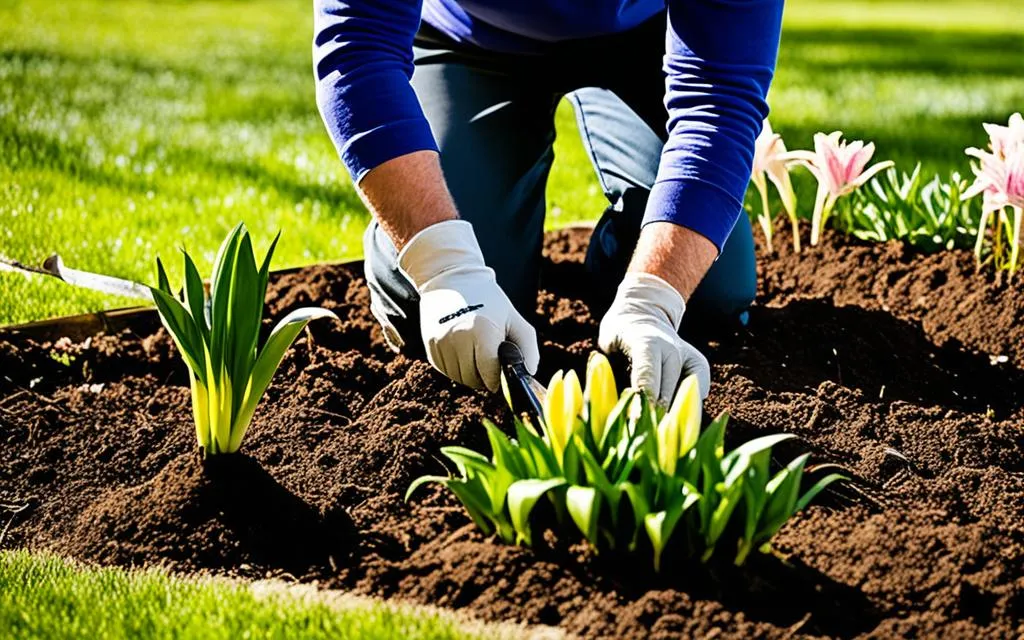
envirocarecentral.com.Tutorial How to Plant Squash Seeds – Learn the art of planting squash seeds with expert tips and FAQs. Grow healthy squash in your garden and enjoy homegrown goodness. Planting squash seeds is a rewarding endeavor for both novice and experienced gardeners. The vibrant colors, delicious flavors, and versatility of squash make it a popular choice for home gardens. Whether you’re aiming for zucchinis, pumpkins, or butternut squash, this comprehensive guide will walk you through the process, sharing expert insights and tips for a successful harvest. How to Plant Squash Seeds Squash seeds are easy to grow, and with the right techniques, you can enjoy a bumper crop. Here’s a step-by-step guide on how to plant squash seeds: Choosing the Right Location Select a sunny spot in your garden with well-draining soil. Squash plants thrive in full sunlight, so ensure they receive at least 6-8 hours of direct sunlight daily. Preparing the Soil Prepare the soil by adding organic matter such as compost or well-rotted manure. This enriches the soil and provides essential nutrients for healthy squash growth. Seed Selection Choose high-quality squash seeds from a reputable supplier. Look for varieties that suit your climate and garden space. Seed Spacing Plant squash seeds 1 inch deep in rows, leaving 2-3 feet of space between rows. For bush varieties, space the seeds 2-3 feet apart, while vining varieties should be spaced 4-6 feet apart. Watering Water the seeds thoroughly after planting. Keep the soil consistently moist but not waterlogged throughout the growing season. Consider using a soaker hose or drip irrigation to maintain even moisture levels. Mulching Apply a layer of organic mulch, such as straw or wood chips, around the seedlings. Mulch helps retain soil moisture, suppress weeds, and regulate soil temperature. Pest and Disease Management Monitor your squash plants for signs of pests and diseases. Common issues include squash bugs, aphids, and powdery mildew. Use organic pest control methods to protect your plants. Support for Vining Varieties If you’re growing vining squash, provide support using trellises or fences. This saves space, improves air circulation, and keeps the fruit off the ground. Harvesting Harvest your squash when they reach the desired size. Use a sharp knife or pruners to cut the fruit from the vine. Regular harvesting encourages more fruit production. Seed Saving If you want to save seeds for the next season, allow some squash to mature fully on the vine. Scoop out the seeds, wash and dry them, and store in a cool, dry place. FAQs (Frequently Asked Questions) Can I plant squash seeds directly in the ground? Yes, you can plant squash seeds directly in the ground once the soil has warmed up in the spring. However, starting seeds indoors a few weeks before the last frost date can give you a head start. How long does it take for squash seeds to germinate? Squash seeds typically germinate within 5-10 days when the soil temperature is around 70°F (21°C). Do squash plants require a lot of maintenance? Squash plants are relatively low-maintenance. Regular watering, pest monitoring, and occasional fertilization are usually sufficient for a healthy crop. Can I grow different types of squash in the same garden? Yes, you can grow different types of squash in the same garden, but make sure to provide adequate spacing between varieties to prevent cross-pollination. What are some common pests that affect squash plants? Common pests that can affect squash plants include squash bugs, cucumber beetles, and aphids. Be vigilant and take preventive measures to protect your plants. When is the best time to harvest squash? The best time to harvest squash is when they are young and tender, typically when they are 6-8 inches long for zucchinis. However, winter squash varieties should be left on the vine until fully mature. Conclusion Planting squash seeds can be a delightful and fruitful experience. With the right preparation and care, you can enjoy a bountiful harvest of this versatile vegetable. Remember to choose a sunny spot, enrich the soil, and provide proper care throughout the growing season. By following the steps outlined in this guide and being attentive to your plants, you’ll soon be savoring the delicious flavors of homegrown squash.
How to Propagate Prayer Plant in Water?
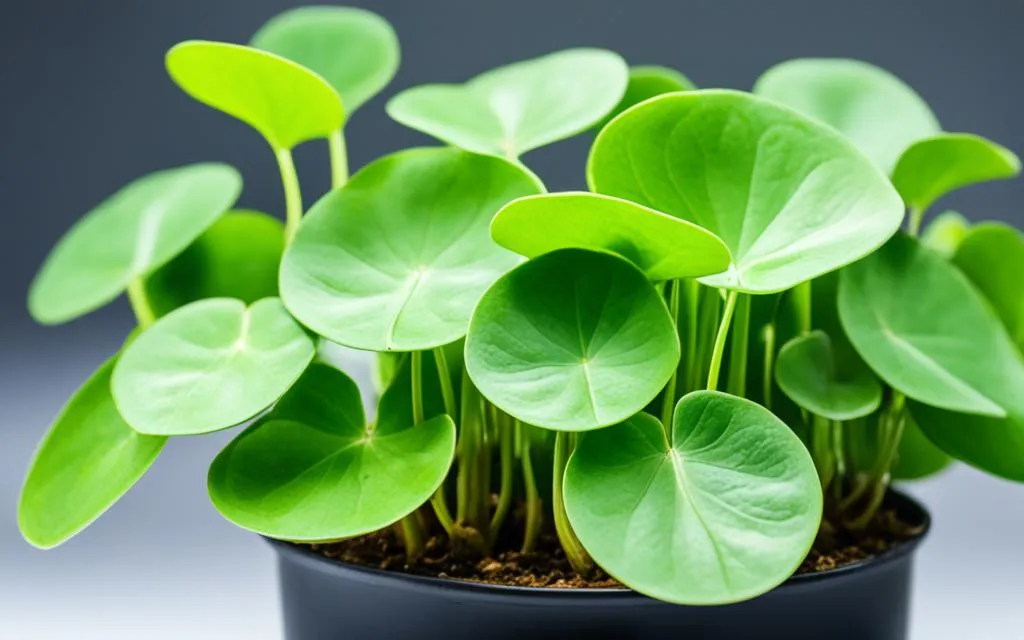
envirocarecentral.com. How to Propagate Prayer Plant in Water? – Learn how to propagate a prayer plant in water successfully. Discover step-by-step instructions, expert tips, and FAQs to help you nurture and propagate your prayer plant effectively. Prayer plants, scientifically known as Maranta leuconeura, are popular indoor plants cherished for their stunning foliage and unique habit of folding their leaves at night, resembling praying hands. Propagating these beautiful plants in water is a rewarding and accessible way to expand your plant collection. In this comprehensive guide, we will delve into the step-by-step process of propagating prayer plants in water, sharing expert insights and practical tips to ensure your success. How to Propagate Prayer Plant in Water? Propagating prayer plants in water is an exciting endeavor that requires patience, attention to detail, and a dash of green thumb. Follow these steps to propagate your prayer plant successfully: Choosing the Right Stem Select a healthy stem from the mature prayer plant that has at least two nodes (the points where leaves and roots grow). Nodes are crucial as they contain the necessary cells for root development. Prepare the Cutting Using a sharp, clean pair of scissors or pruning shears, make a clean cut just below a node. This cutting should ideally be around 4-6 inches in length. Remove Lower Leaves Carefully remove the lower leaves from the cutting, leaving only a few leaves at the top. This helps the cutting allocate its energy towards root development instead of sustaining excess foliage. Rooting Hormone (Optional) Applying a rooting hormone to the cut end of the stem can enhance the chances of successful root growth. While optional, it can be beneficial, especially for beginners. Place in Water Place the prepared cutting in a jar or vase filled with distilled water. Ensure that only the nodes are submerged while the leaves remain above water. Provide Indirect Light Position the container with the cutting in a spot with indirect sunlight. Direct sunlight can be too harsh for the cutting and may hinder its growth. Change Water Regularly To prevent the growth of mold or bacteria, change the water every few days. Gently rinse the cutting under running water during water changes. Patience is Key Root development takes time. Be patient and observe the progress. After a few weeks, you’ll notice tiny roots emerging from the nodes. Transplanting Once the roots are a few inches long, and you notice new growth on the top, your cutting is ready for transplanting into soil. Choose a well-draining potting mix and gently plant the cutting. Watering Keep the soil consistently moist but not waterlogged. Prayer plants prefer slightly humid conditions, so mist the leaves regularly. Gradual Acclimatization After transplanting, allow your propagated prayer plant some time to acclimate to its new environment. Avoid exposing it to direct sunlight immediately. Expert Tips for Successful Propagation Choose a healthy mother plant with no signs of disease or pests. Opt for a stem cutting that’s not too young or too old. Maintain a warm and humid environment for better root development. Use filtered or distilled water to prevent chlorine or mineral buildup. Experiment with different stem cuttings to increase your chances of success. FAQs Q: Can I propagate a prayer plant with just water and no soil? A: Yes, prayer plants can be successfully propagated in water alone. Once sufficient roots develop, you can transfer the cutting to soil. Q: How long does it take for roots to develop? A: Root development usually takes a few weeks, but it can vary based on factors like temperature and humidity. Q: Can I use tap water for propagating my prayer plant? A: It’s recommended to use distilled or filtered water to prevent chlorine and mineral buildup, which can be detrimental to root growth. Q: Should I keep the cutting in a sunny location? A: While prayer plants need light, direct sunlight can be too harsh for the cuttings. Opt for bright, indirect light instead. Q: Can I propagate a variegated prayer plant in water? A: Yes, you can propagate a variegated prayer plant using the same water propagation method. Q: How often should I mist the leaves of the propagated plant? A: Mist the leaves every 2-3 days to maintain the desired humidity level. Conclusion Propagating a prayer plant in water is a delightful journey that allows you to witness the magic of new growth firsthand. By following the step-by-step instructions, expert tips, and FAQs outlined in this guide, you’ll be well-equipped to successfully propagate your prayer plant and expand your indoor garden. Remember, patience and care are key to nurturing a healthy and thriving propagated plant.
How to Plant Cherry Seed at Home?
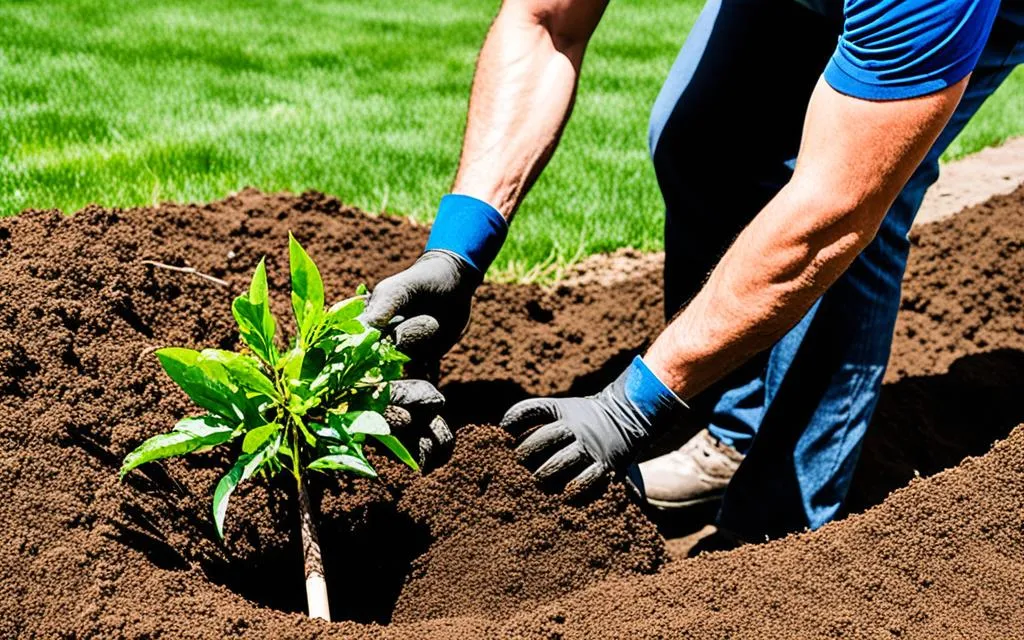
envirocarecentral.com. How to Plant Cherry Seed at Home? – Learn how to plant cherry seeds with our comprehensive guide. Discover step-by-step instructions, helpful tips, and expert insights to successfully grow cherry trees from seeds. Planting cherry seeds is a rewarding and enjoyable process that allows you to nurture and grow your own cherry trees. While it requires patience and careful attention, the end result is the opportunity to enjoy the delicious fruit straight from your backyard. In this guide, we will walk you through each step of the process, from preparing the seeds to nurturing the young saplings. Let’s dive into the exciting world of planting cherry seeds! How to Plant Cherry Seed Planting cherry seeds involves several steps to ensure successful germination and growth. Follow these steps to get started on your cherry tree growing journey: Step 1: Gather Materials To begin, gather the necessary materials: Fresh cherry seeds Potting soil Planting pots or trays Watering can or spray bottle Clear plastic wrap Step 2: Prepare the Seeds Remove the cherry pits from ripe cherries. Wash the pits thoroughly to remove any remaining fruit flesh. Place the clean pits in a bowl of water and discard any that float (these are likely not viable). Step 3: Cold Stratification Cherry seeds require a period of cold stratification to break their dormancy and encourage germination. Moisten a paper towel and wring out any excess water. Spread the seeds on one half of the paper towel. Fold the other half over the seeds and place the towel inside a resealable plastic bag. Seal the bag and refrigerate for about 8-10 weeks. Step 4: Planting Fill planting pots or trays with potting soil. Plant the cold-stratified seeds about 1 inch deep in the soil. Water the soil gently, ensuring it’s moist but not waterlogged. Cover the pots or trays with clear plastic wrap to create a greenhouse effect. Step 5: Germination Place the pots or trays in a warm and bright location, but avoid direct sunlight. Keep the soil consistently moist and maintain the greenhouse environment. Germination should occur within a few weeks. Step 6: Transplanting Once the seedlings have a couple of sets of leaves, they are ready to be transplanted into larger pots. Use well-draining soil and ensure the pots have drainage holes. Place the seedlings in a sunny spot and water regularly. Step 7: Outdoor Planting Choose a sunny location in your garden for planting. Prepare the soil by loosening it and adding compost. Transplant the seedlings into the prepared soil, ensuring they are at the same depth as before. Water thoroughly after planting. Step 8: Care and Maintenance Water the young trees regularly, especially during dry spells. Mulch around the base of the tree to retain moisture and suppress weeds. Prune the tree as needed to encourage healthy growth. Types of Cherry Trees There are several types of cherry trees, each with its own unique characteristics and qualities. Some popular types of cherry trees include: Sweet Cherry Trees (Prunus avium) Bing Cherry: Known for its deep red, almost black fruit, with a rich, sweet flavor. Rainier Cherry: Recognized by its golden-yellow skin with a red blush and sweet, delicate taste. Lambert Cherry: Medium-sized, dark red cherries with a sweet-tart flavor. Sweetheart Cherry: Large, heart-shaped cherries that are dark red and have a very sweet taste. Sour Cherry Trees (Prunus cerasus) Montmorency Cherry: The most popular sour cherry, known for its bright red fruit and tart flavor. Often used for pies and preserves. Morello Cherry: Dark red to almost black cherries with a rich, tangy taste. Commonly used for cooking and making cherry products. Japanese Cherry Trees (Prunus serrulata) Somei Yoshino Cherry: A widely recognized variety with pale pink to white blossoms, often associated with the cherry blossom festivals in Japan. Kwanzan Cherry: Known for its double-pink blossoms and attractive, layered petals. Yoshino Cherry: Similar to Somei Yoshino, this variety features pale pink to white flowers and is a popular ornamental tree. Weeping Cherry Trees (Various species) Higan Cherry (Prunus subhirtella): A weeping variety that produces pink or white blossoms, creating a cascading effect. Snow Fountains Cherry (Prunus ‘Snofozam’): A weeping cherry with abundant white blooms and a graceful, cascading habit. Dwarf Cherry Trees Compact Stella Cherry: A small, self-pollinating tree that produces sweet cherries on a smaller scale. Lapins Cherry: A dwarf sweet cherry tree that produces firm, dark red fruit with a rich flavor. Hybrid Cherry Trees Juliet Cherry (Prunus ‘WE-IP2’): A hybrid cherry that combines sweet and sour traits, offering a unique flavor profile. Romance Series Cherries: A collection of hybrid cherries with various characteristics, such as self-fertility and disease resistance. These are just a few examples of the diverse cherry tree varieties available. Each type has its own beauty and potential uses, whether for enjoying fresh fruit, ornamental purposes, or culinary creations. Keep in mind that the suitability of a specific cherry tree type depends on factors such as climate, location, and intended purpose. FAQs about Planting Cherry Seeds Can I plant cherry seeds from store-bought cherries? Yes, you can plant cherry seeds from store-bought cherries. However, keep in mind that some varieties are better suited for growing in certain climates. When is the best time to plant cherry seeds? The best time to plant cherry seeds is in the fall or early winter, as they require a period of cold stratification before germinating. How long does it take for cherry seeds to germinate? Cherry seeds typically take about 2 to 8 weeks to germinate, depending on the variety and environmental conditions. Do cherry trees grown from seed produce the same type of cherries as the parent tree? Cherry trees grown from seed may not produce identical fruit to the parent tree. They can exhibit variations in flavor, size, and even color. Can I plant cherry seeds directly in the ground? While it’s possible to plant cherry seeds directly in the ground, it’s recommended to start them indoors first to provide optimal conditions for germination.