
Special forces base struck by swarm of drones amid fears Putin is helping Iran
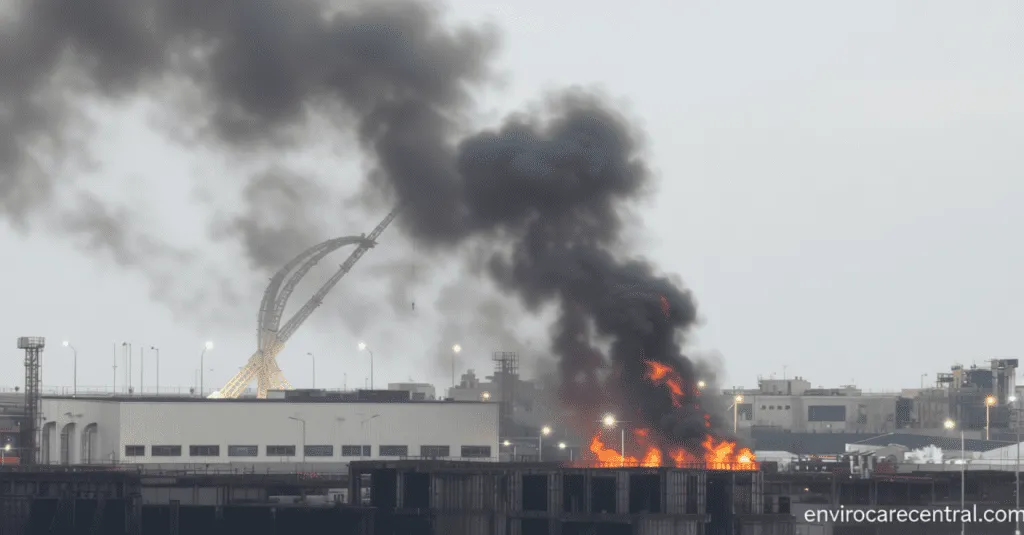
Joint military facility targeted by Iranian drones as suspicions grow over Russian support
A British Special Forces base in Erbil, the capital of the Kurdistan region, faced a drone attack on Wednesday evening, resulting in injuries to American personnel. The incident has raised concerns about potential Russian backing of Iranian military strategies, according to recent intelligence assessments.
Brigadier Guy Foden, representing Britain’s Permanent Joint Headquarters, stated during an emergency briefing:
“We have staff stationed in Erbil contributing to the base’s security. Two unmanned aerial vehicles were intercepted last night, yet several managed to reach the facility.”
While no British troops were harmed, the assault left US soldiers with non-life-threatening injuries, as reported by The Sun. Lt Gen Nick Perry, overseeing UK global operations, confirmed this during a meeting with Defence Secretary John Healey.
“Our personnel remain unscathed, though the Americans sustained some casualties. The situation is under control, and we’re examining all possibilities,”
Perry added.
Russian-Iranian tactical ties under scrutiny
Healey’s recent visit to Northwood military headquarters in Hertfordshire highlighted the growing evidence of Russian involvement in Iran’s regional tactics. Perry noted that Russian intelligence has provided clear indications of a collaboration between Moscow and Tehran, including the use of drones in attacks.
Analysts are now scrutinizing a drone that targeted a hangar at Akrotiri for signs of foreign components, potentially linking the incident to Russian or other external actors. Healey emphasized the need to investigate further:
“We’re assessing the drone’s origins, but it’s no surprise that Putin’s influence might be shaping Iranian capabilities, especially with global oil prices soaring due to geopolitical tensions.”
Regional air defense efforts intensify
RAF Typhoon and F-35B jets have maintained defensive patrols over Jordan, Qatar, and the UAE, with Voyager aircraft providing refueling support. Over 300 operational hours have been logged by British pilots in these missions, during which multiple drones were neutralized.
Following overnight drone strikes in the region, a Counter-Uncrewed Aerial Systems unit successfully intercepted two aerial threats, safeguarding civilian lives. These actions underscore the UK’s commitment to protecting allies amid escalating conflict.
Iran vows retaliation after leader’s death
The attack coincided with Ayatollah Mojtaba Khamenei’s first public declaration of vengeance following the death of his father in a US-Israeli strike. In a statement aired by Iranian state media, he asserted:
“We will not hesitate to avenge the martyrdom of our nation’s defenders. Every loss suffered by the enemy is a cause for retribution.”
Despite reports of severe injuries, including a lost leg and possible coma, Khamenei delivered the message, signaling Iran’s resolve to escalate hostilities. The incident has also intensified pressure on oil prices, with heating fuel costs doubling in a week due to Iran’s warnings to vessels traversing the Strait of Hormuz.
Healey acknowledged the urgency of the situation, noting:
“The evidence of Iran’s military activity is mounting, and its impact on global energy markets is significant. While we’re taking steps to stabilize supply, the threat remains critical.”
