
Blink and miss: Trump’s tactic of threats first and U-turn later is proving stale in Iran war
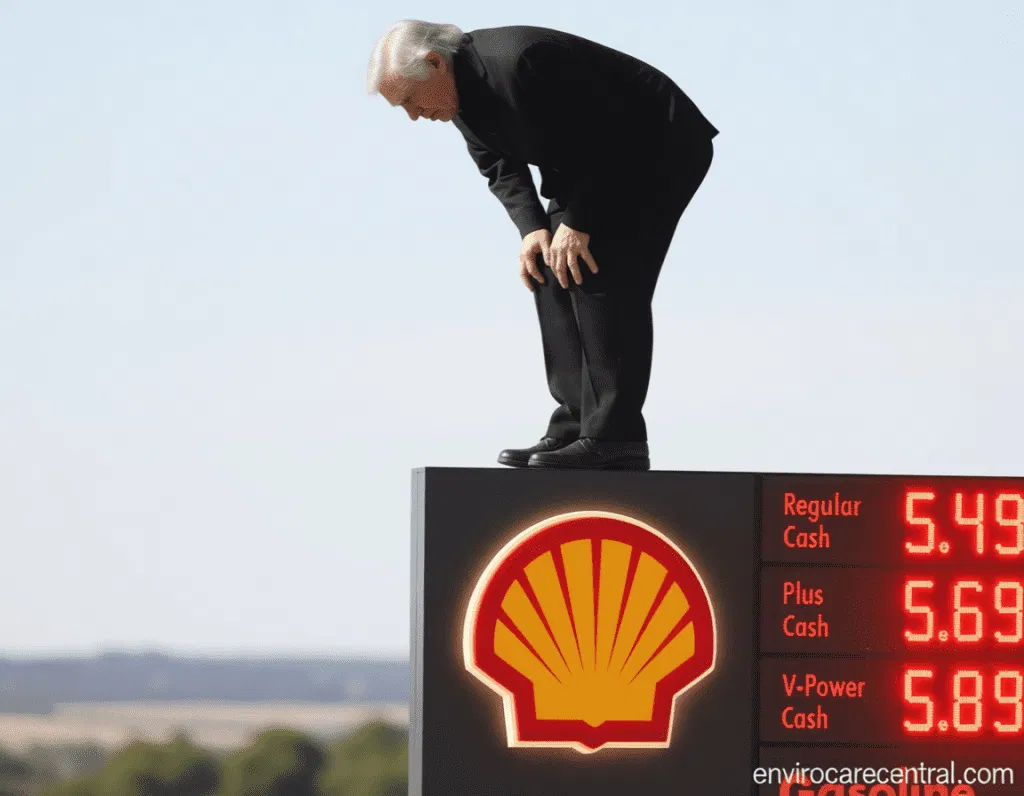
A New Approach: Trump’s Strategy of Bold Threats and Abrupt Reversals Faces Challenges in Iran Conflict
In the wake of recent tensions, the Persian Taco has become a recurring theme in discussions about Trump’s handling of the Iran war. This metaphor, used to describe his pattern of aggressive declarations followed by last-minute concessions, has sparked debate over whether his approach is still effective. On Monday, as oil prices climbed and stock futures dipped, the president appeared poised to escalate hostilities. However, within hours, he retreated, citing “productive conversations” with Iran as a reason to delay attacks on the country’s civilian infrastructure.
Markets responded swiftly to the reversal, with the S&P 500 rebounding 1.5% by mid-morning in New York. The initial shock of Trump’s threat had sent bond yields spiking and Brent crude surging past $112, but the quick pivot stabilized the financial landscape. While the move prevented a potential escalation, analysts question whether it signals a decline in Trump’s ability to steer events in the region. The president’s words, they argue, now carry less weight as the conflict’s trajectory seems increasingly out of his hands.
Historical Echoes of the Taco Strategy
Trump’s tactic of dramatic threats and rapid retreats is not new. Last year, during the tariffs crisis, he introduced a similar pattern by abruptly halting a sweeping trade war after markets reacted with panic. The “Taco trade,” as it was then dubbed, saw the president reverse course to avert economic turmoil, even as he claimed control over global trade dynamics. However, the effectiveness of this strategy has since waned, with markets growing more skeptical of his verbal commitments.
“productive conversations” regarding a complete and total resolution of our hostilities
Iran’s response to Trump’s latest maneuver highlights the growing disconnect between his rhetoric and the reality on the ground. After denying that “productive conversations” had occurred, the country launched missile strikes into Israel and Iraq, escalating the conflict. This action, coupled with the president’s last-minute assurances, has left investors questioning the reliability of his decisions. The market’s reaction to these events underscores a broader shift in perception: Trump’s influence over the Iran crisis is now seen as limited.
Earlier this month, Trump attempted another taco-style intervention when he claimed the war would end “soon, very soon” as oil prices rose. The S&P index briefly rebounded, but the gains were short-lived. By contrast, when he first unveiled the tactic in April, markets were more willing to accept his promises. At that time, his ability to impose tariffs on nearly every country, including penguin-populated islands, was perceived as decisive. Yet, the subsequent gradual increases in tariffs had a calmer effect, as the economic impact remained manageable.
Today, the stakes are higher. With the November midterms looming and his approval ratings sinking, Trump faces mounting pressure to end the conflict. Yet, his dual objectives—ending the war and securing oil flow through the Strait of Hormuz—remain at odds. Iran, meanwhile, has more leverage, having already weathered significant military setbacks while retaining its grip on power. The country’s ability to throttle global oil supply, depriving the economy of 12.5 million barrels a day, ensures its position remains strong.
