
Iran’s strikes on Gulf energy sites rattle markets and raise recession fears
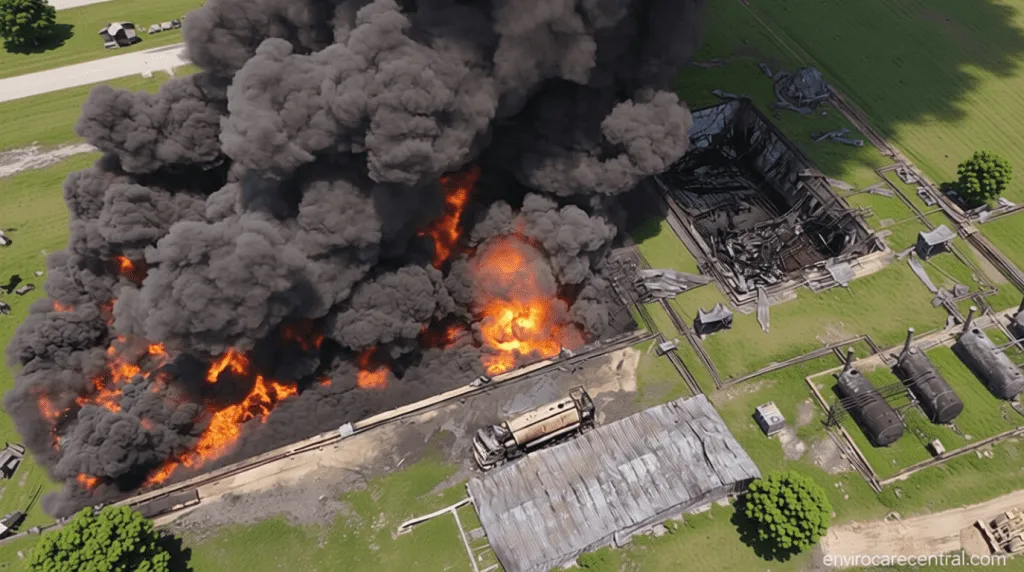
Iran’s Gulf Energy Strikes Spark Market Instability and Recession Concerns
Iran’s recent bombardments of energy infrastructure in the Gulf have sent shockwaves through global markets, intensifying anxieties about an economic downturn. The attacks, which followed a week of escalating conflict, have disrupted supply chains and raised fears of broader regional instability. Since the conflict began last Saturday, Tehran has intensified its aerial assaults, expanding strikes to include Azerbaijan and targeting key energy hubs across the region.
Targeting Critical Infrastructure
Despite claiming to focus on US and Israeli interests, Iran’s strikes have also damaged vital energy facilities that supply major economies. The Strait of Hormuz, a critical maritime corridor for 20% of the world’s oil, saw a blockade that stranded over 200 vessels, as noted by Lloyd’s List. Qatar’s LNG production, which constitutes 20% of global supply, was halted after Iranian drones struck its Mesaieed and Ras Laffan Industrial City complexes, further destabilizing energy markets.
“If this war continues for a few weeks, GDP growth around the world will be impacted. Everybody’s energy price is going to go higher. There will be shortages of some products and there will be a chain reaction of factories that cannot supply,”
— Qatar’s Energy Minister Saad al-Kaabi warned in an interview with the Financial Times.
Economic Fallout and Global Risks
The US-Israeli military buildup prior to the war had already heightened tensions, with Iran vowing retaliation. Now, Iran’s ongoing strikes have forced Saudi Arabia’s largest oil refinery to close, while Iraqi output and Israeli gas fields have also felt the strain. Dubai’s ports, among the world’s busiest, reportedly faced disruptions as well. Experts caution that sustained attacks on energy systems could amplify recession risks, particularly as summer approaches.
“Only a blockade of the Strait of Hormuz itself could trigger a global recession if it continues,”
— Dr. Yousef Alshammari of the London College of Energy Economics noted, adding that China’s potential political pressure could intensify if energy prices surge.
Despite current oil price increases, Alshammari pointed out that the rise is less severe than anticipated, citing low global demand and ample oil supply as mitigating factors. However, gas prices in Europe have already climbed by over 50%, signaling a broader economic strain.
Confusion Over Iran’s Strategic Moves
Former US ambassador to Azerbaijan Matthew Bryza questioned the logic behind Iran’s attacks on Azerbaijan, particularly its drone strikes on the Nakhchivan region. “It is difficult to understand why Iran would have launched drone attacks against Azerbaijan’s region of Nakhchivan since Iran obviously does not want to see Azerbaijan brought into the military conflict,”
— Bryza remarked, highlighting the inconsistency in Iran’s strategy. He noted that Azerbaijan’s president had offered condolences to Iran after the war began, yet Iran swiftly retaliated, suggesting a disconnect between diplomatic gestures and military actions.
“President Aliyev sent a plane and said, no, we’re not going to take any money for it. And then hours later, Iran attacked Azerbaijan,”
— Bryza explained, implying Iran’s strikes may aim to destabilize societies and economies rather than purely military objectives. This could pressure US President Donald Trump’s administration as supply chain issues and rising costs threaten political support.
