
A Traveler’s Guide to Ethical Wildlife Tourism Guidelines
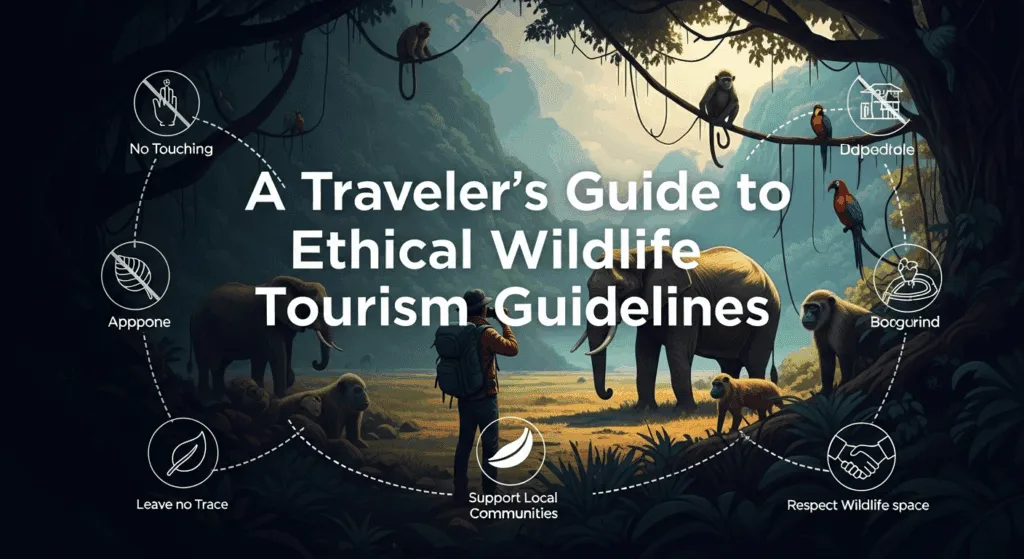
The low growl of a lioness in the pre-dawn light of the Maasai Mara, the silent breach of a humpback whale off the coast of Iceland, the flash of a vibrant macaw's wings in the Amazon canopy—these are the moments that define our connection to the natural world. Witnessing animals in their native habitats is a profound, often life-changing experience. However, the surge in global travel has created a complex and often fraught relationship between humans and wildlife. Awe-inspiring encounters can quickly turn exploitative if not approached with care, respect, and a deep understanding of animal welfare. That’s where a clear and comprehensive set of ethical wildlife tourism guidelines becomes not just helpful, but essential for any conscious traveler. This guide is designed to empower you with the knowledge to make choices that protect the animals you travel so far to see, ensuring that your presence is a positive force for conservation, not a detriment to their well-being.
Understanding the Core Principles of Ethical Wildlife Tourism
At its heart, ethical wildlife tourism is about prioritizing the well-being of the animals and their environment above the fleeting entertainment of humans. It's a paradigm shift from a consumer mindset ("What can this animal do for my experience?") to a conservationist one ("How can my visit support this animal and its ecosystem?"). This means recognizing that we are guests in their home. Our actions, no matter how small they seem, have a ripple effect. A single piece of discarded plastic can harm marine life, a camera flash at the wrong moment can cause a mother bird to abandon her nest, and a tour operator cutting corners on safety can lead to tragic outcomes for both humans and animals.
The fundamental principle is non-interference. The goal is observation, not interaction. True ethical encounters are those where the animal is free to behave naturally, unbothered by your presence. This philosophy is often guided by the internationally recognized "Five Freedoms" of animal welfare, which state that animals under human care should have: Freedom from hunger and thirst; freedom from discomfort; freedom from pain, injury, or disease; freedom to express normal behavior; and freedom from fear and distress. While these were initially designed for domesticated animals, their principles are a powerful moral compass for evaluating any wildlife tourism activity. If an activity compromises any of these freedoms for the sake of a tourist photo, it is, by definition, unethical.
The positive impact of well-managed wildlife tourism cannot be overstated. When done correctly, it provides critical funding for conservation projects, creates sustainable livelihoods for local communities (turning former poachers into proud protectors), and raises global awareness about the plight of endangered species. Your tourist dollars can directly fund anti-poaching patrols, habitat restoration, and scientific research. However, the opposite is also true. Unregulated tourism can lead to habitat destruction, increased stress on animal populations, the spread of disease, and the normalization of cruel practices. Therefore, the responsibility lies with each traveler to diligently research and choose experiences that contribute to the solution, not the problem.
The "Do's": Best Practices for Responsible Wildlife Encounters
Navigating the world of wildlife tourism requires proactive effort and a commitment to doing what's right, not just what's easy or cheap. By following a set of positive actions, or "Do's," you can ensure your encounters are respectful and beneficial. These practices are the cornerstones of responsible travel, transforming you from a passive tourist into an active ally for wildlife. They involve careful planning before your trip, mindful behavior during your encounters, and a focus on supporting the broader ecosystem of conservation.
These guidelines are not meant to diminish the magic of the experience but to enhance it. Knowing that your presence is not causing harm allows for a deeper, more authentic connection with the natural world. A sighting of a tiger from a respectful distance, knowing it is undisturbed, is infinitely more valuable than a staged photo with a sedated animal. Embracing these best practices is the first and most important step in your journey as an ethical wildlife traveler.
Choose Your Tour Operator with Diligence
The single most impactful decision you will make is choosing your tour operator. A responsible company acts as the gatekeeper between you and the wildlife, and their ethics will define your entire experience. Do your homework rigorously. Look beyond glossy brochures and slick websites. Search for operators who are transparent about their conservation policies, proudly display certifications from reputable bodies (like the World Cetacean Alliance for marine tours or Fair Trade in Tourism), and have long-standing relationships with local communities. A good operator will have detailed, written guidelines for guest behavior and will not hesitate to enforce them.
When researching, look for reviews that mention the guide's behavior. Did the guide prioritize the animal's comfort over getting a closer look for the tourists? Did they cut the engine and maintain a significant distance? Did they educate the group about the animal's behavior and conservation status? These are the hallmarks of a professional, ethical operation. Conversely, be wary of operators that promise "guaranteed" sightings or offer hands-on interactions. These are major red flags that suggest the animals' welfare is being compromised for commercial gain. Don't be afraid to email or call a company beforehand and ask direct questions about their animal welfare policies. Their response—or lack thereof—will tell you everything you need to know.
Maintain a Respectful Distance and Minimize Your Impact
The golden rule of wildlife viewing is to keep a safe and respectful distance. This is crucial for two reasons: your safety and the animal's well-being. Getting too close can cause immense stress to an animal, leading it to waste precious energy fleeing or, in a worst-case scenario, becoming aggressive to defend itself or its young. Remember, a "wild" animal that is comfortable with close human approach is often a sign of habituation, which can be dangerous for both the animal and future humans it encounters. It may lose its natural fear, making it more vulnerable to poachers or conflicts in nearby villages.
To achieve this, invest in a good pair of binoculars and a camera with a zoom lens. This allows you to get a fantastic, detailed view without intruding on the animal's space. During the encounter, remain as quiet as possible. Turn off your phone's ringer, speak in hushed tones, and avoid sudden movements. Never use a flash when photographing wildlife, especially nocturnal animals, as it can temporarily blind and disorient them. Furthermore, adhere to the "Leave No Trace" principle. Pack out everything you pack in, including organic waste like fruit peels. Your goal is to pass through the environment as if you were never there.
Support Local Communities and Direct Conservation Efforts
Ethical wildlife tourism is inextricably linked to community empowerment and conservation funding. When local people benefit directly from protecting wildlife, they become its most passionate and effective guardians. Make a conscious effort to ensure your money supports the local economy. This means choosing locally-owned lodges and tour companies, hiring local guides, eating at local restaurants, and purchasing authentic, sustainably made crafts directly from artisans. This approach creates a powerful economic incentive for conservation, demonstrating that a living elephant is worth far more to the community over its lifetime than its tusks are to a poacher.
Furthermore, look for operators and accommodations that contribute a portion of their revenue directly to conservation initiatives or community development projects. Many reputable lodges have their own foundations that fund local schools, clinics, or anti-poaching units. Visiting these places means your trip is actively funding the protection of the very ecosystem you've come to enjoy. Consider making a direct donation to a trusted local conservation organization at the end of your trip. This ensures 100% of your contribution goes towards on-the-ground efforts, amplifying the positive impact of your visit long after you've returned home.
The "Don'ts": Red Flags and Activities to Avoid at All Costs
Just as important as knowing what to do is knowing what not to do. The tourism industry is filled with traps that exploit animals under the guise of "once-in-a-lifetime" experiences. These activities often involve immense, hidden cruelty and directly contribute to the illegal wildlife trade and the suffering of countless animals. Being able to identify and actively avoid these red flags is a critical responsibility for every traveler.
Recognizing these unethical practices requires a degree of skepticism and a willingness to question what is being marketed to you. An activity that seems too good to be true—like cuddling a tiger cub or riding an elephant—almost certainly is. Your refusal to participate in these activities sends a powerful message to the industry: there is no demand for cruelty. By voting with your wallet, you help dismantle the economic structure that perpetuates this abuse. Educating yourself on these "Don'ts" is non-negotiable for anyone who claims to be an animal lover.
No Touching, Feeding, or Riding Wild Animals
This is the most important rule to follow. Any opportunity that involves direct physical contact with a wild animal should be avoided. This includes elephant riding, walking with lions, cuddling tiger cubs, or holding primates for photos. The cruelty behind these activities is severe. Elephants must undergo a brutal training process known as phajaan, or "the crush," where they are tortured into submission as calves. Lions used for "walking with" experiences are often habituated from a young age and may be destined for the canned hunting industry once they become too large to safely manage.
Feeding wild animals is equally harmful. It makes them dependent on humans, alters their natural foraging behavior, and can lead to aggression and unhealthy food choices. It also brings them into dangerously close proximity to humans and roads, increasing the risk of accidents and conflicts. Similarly, the temptation for a "wildlife selfie" has led to countless negative incidents. Never try to get a close-up photo with a wild animal. It's stressful for them and dangerous for you. The only ethical "selfie" is one taken from a significant distance, where the animal is a part of the wider landscape and is clearly unbothered by your presence.
Beware of "Sanctuaries" in Name Only
The word "sanctuary" or "rescue center" can be incredibly misleading. Many exploitative businesses use these terms to lure in well-intentioned tourists, a practice known as greenwashing. A true, legitimate sanctuary prioritizes animal welfare above all else. Its primary mission is to rescue, rehabilitate, and, if possible, release animals back into the wild. For animals that cannot be released, it provides a safe, lifelong home that mimics their natural environment as closely as possible.
A real sanctuary will not allow direct physical contact between tourists and animals (with the possible exception of some supervised domestic farm animals). It will not breed animals, as this adds to the captive population and often serves no conservation purpose. It will have spacious, complex enclosures and place a strong emphasis on education about conservation and the threats the species faces. In contrast, a fake sanctuary will often feature performances, allow touching or bottle-feeding, have small or barren enclosures, and will always seem to have a steady supply of baby animals available for photo ops. Always research a facility with third-party sources and accreditation bodies before visiting.
Avoid Souvenirs Made from Animal Products
Your responsible choices must extend to your shopping habits. Never purchase souvenirs made from animal products. This a non-negotiable rule. The market for these items directly fuels poaching and the illegal wildlife trade, one of the biggest threats to species like elephants, rhinos, and sea turtles. Even if an item is presented as "antique" or "found," it's impossible to verify its origin, and purchasing it perpetuates the idea that these materials have commercial value.
Be vigilant and knowledgeable about what to look for. Common items to avoid include:
- Ivory from elephants or walruses
- Tortoiseshell (from hawksbill turtles) products
- Coral and large shells
- Shahtoosh wool (from the endangered Tibetan antelope)
- Skins, furs, or leather from wild animals (e.g., snake, crocodile)
- Bird feathers, particularly from parrots or birds of prey
- Any products from big cats, bears, or primates
Instead, support local artisans by purchasing handmade, sustainable crafts that reflect the local culture and do not harm the environment. Buying a hand-carved wooden animal or a woven textile is a much more beautiful and ethical way to remember your journey.

Specific Guidelines for Different Environments
While the core principles of ethical wildlife tourism are universal, their application can vary depending on the environment. Whether you are on an African safari or exploring a coral reef, specific a etiquette and rules apply to ensure the unique ecosystem and its inhabitants are respected. Understanding these nuances will make you a more effective and responsible traveler.
Adapting your behavior to your surroundings shows a deeper level of respect for the environment. It demonstrates an understanding that an open savannah has different challenges than a dense jungle or a fragile marine habitat. Adhering to these environment-specific guidelines ensures that you are minimizing your unique footprint in each distinct and precious corner of the natural world.
On Safari: The Rules of the Savannah
A safari is a dream for many, but the high concentration of vehicles in popular parks can create "traffic jams" around animal sightings, causing significant stress. A good guide will know when to back away from a crowded scene. Always stay inside the vehicle unless you are in a designated, safe area. Getting out of a vehicle can be fatal and can habituate dangerous predators to human presence. Insist that your driver turn off the engine when observing animals to minimize noise and air pollution.
Respect the hierarchy of the road. If an animal, especially a large one like an elephant, is on or near the road, give it the right of way. Never try to block its path to get a better photo. Keep your voice down and avoid making loud noises that could startle a herd or disrupt a hunt. Patience is your greatest tool. Sometimes the most incredible moments happen not when you are chasing a sighting, but when you are sitting quietly, simply observing the life of the savannah unfold around you.
In the Ocean: Marine Wildlife Ethics
The ocean is not a swimming pool. When whale or dolphin watching, your boat should never actively pursue, chase, or corner the animals. Reputable operators will follow strict guidelines, often approaching from the side, slowing down significantly, and keeping a distance of at least 100 meters (or more, depending on local regulations). They will limit their viewing time to ensure the animals are not harassed. If you are swimming, snorkeling, or diving, the "no-touch" rule is absolute.
This extends to the environment itself. Never touch, stand on, or kick coral. Coral reefs are incredibly fragile ecosystems made up of millions of tiny living animals. A single touch can damage their protective layer, making them susceptible to disease, and a misplaced fin kick can break off decades of growth. Use reef-safe sunscreen, as common chemical ingredients like oxybenzone are highly toxic to coral. Do not take anything from the ocean, including shells or sand, and be diligent about collecting any trash you see.
Comparing Ethical vs. Unethical Tour Operators
To make the choice clearer, here is a direct comparison of what to look for and what to avoid when selecting a wildlife tour operator.
| Feature | ✅ Ethical Operator | ❌ Unethical Operator |
|---|---|---|
| Animal Interaction | Strictly enforces a no-contact, no-feeding policy. Prioritizes observation from a respectful distance. | Advertises "hands-on" experiences like petting, riding, walking with, or feeding wild animals. |
| Guide Behavior | Guides are knowledgeable, enforce rules, educate on conservation, and prioritize animal welfare over a "close-up" shot. | Guides get dangerously close, bait animals with food, make loud noises to get a reaction, or disregard park rules. |
| Conservation Focus | Transparently contributes to local conservation projects and community development. Employs local staff. | No clear connection to conservation. Focus is purely on entertainment and profit. May exploit the local community. |
| Marketing & Promises | Uses images of animals in their natural, wild setting. Manages expectations about sightings. | Uses photos of tourists hugging/holding animals. "Guarantees" sightings or interaction. Uses misleading terms like "sanctuary" for a commercial facility. |
| Animal Sourcing | Works only with wild animals in their natural habitat or at legitimate, accredited rescue centers. | Breeds animals in captivity for tourist interaction. May be linked to the illegal wildlife trade. Always has baby animals available. |
Your Role as an Advocate: Beyond the Trip
Your responsibility as an ethical traveler doesn't end when you pack your bags and head home. In fact, some of your most important work can be done after your trip. You now possess firsthand knowledge and experience, which you can use to advocate for the animals and places you've visited. By sharing what you’ve learned, you can influence the choices of other travelers and put pressure on the industry to improve its standards.
Use your voice to create positive change. Leave detailed, honest reviews of the operators and lodges you used. If your experience was positive, specifically mention the ethical practices you observed. For example, "Our guide was fantastic, always keeping a respectful distance from the elephants and teaching us about their social structure." This helps other responsible travelers find them. If you witnessed unethical behavior, report it. Leave a factual, calm review explaining what you saw. You can also report the company to local tourism authorities or international animal welfare organizations like World Animal Protection. Your feedback is invaluable in holding companies accountable.
Finally, share your knowledge, not just your selfies. When you post photos on social media, use the caption to talk about conservation and the importance of ethical tourism. Explain why you chose not to ride an elephant or why you selected a particular tour company. By turning your travel stories into educational moments, you can inspire a network of conscious travelers, creating a ripple effect that extends far beyond your own journey and helps build a future where both humans and wildlife can thrive.
Conclusion
Embarking on a journey to see wildlife in its natural element is a privilege, and with that privilege comes a profound responsibility. By arming yourself with knowledge and committing to a clear set of ethical wildlife tourism guidelines, you transform from a mere spectator into a guardian. Your choices—from the tour operator you hire to the souvenirs you leave on the shelf—have a real, tangible impact. They can either fuel a cycle of exploitation or fund a future of coexistence and conservation.
Let every footstep you take in a wild place be a light one. Let your presence be a silent, respectful one. And let the memories you bring home be of authentic, untarnished moments where nature was allowed to be truly wild. Travel with curiosity, act with compassion, and become an ambassador for the creatures that cannot speak for themselves. In doing so, you ensure that the magic of the wild will remain for generations of travelers yet to come.
***
Frequently Asked Questions (FAQ)
Q: What is the single biggest mistake tourists make in wildlife tourism?
A: The biggest and most common mistake is prioritizing a close-up photo or interaction over the animal's well-being. This desire often leads travelers to support unethical activities like elephant riding, tiger petting, and primate handling, which are all built on a foundation of animal cruelty. Always remember that if an opportunity feels like it's staged for you, it's likely harmful to the animal.
Q: Are wildlife selfies ever okay?
A: It depends entirely on the context. A "selfie" where you are far away from the animal, with the animal appearing as part of the background, and it is clearly undisturbed and unaware of you, is generally fine. However, any selfie that involves getting close to, touching, holding, or baiting a wild animal is unethical and dangerous. Never put your desire for a photo above an animal's peace and safety.
Q: How can I be 100% sure a facility is a legitimate sanctuary?
A: While 100% certainty can be difficult, you can get very close by doing thorough research. Look for accreditation from the Global Federation of Animal Sanctuaries (GFAS). Check for a clear "no-contact" and "no-breeding" policy on their website. Read reviews on independent platforms, looking for mentions of animal welfare and educational focus, not just entertainment. A true sanctuary will feel more like an educational nature reserve and less like a petting zoo.
Q: Isn't feeding birds or small animals in a park harmless?
A: While it may seem harmless, feeding any wild animal is generally a bad idea. It can make them dependent on human food, which is often nutritionally inappropriate and can cause health problems. It also leads to habituation, where they lose their natural fear of humans, which can lead to aggressive behavior (like birds snatching food) and puts them at greater risk of injury from cars or people who may wish them harm. It's always best to observe them as they forage for their natural food.
***
Article Summary
"A Traveler's Guide to Ethical Wildlife Tourism Guidelines" provides a comprehensive framework for travelers to engage with wildlife responsibly and sustainably. The article stresses that ethical tourism prioritizes animal welfare over human entertainment, advocating for observation without interference. It outlines the core principles, including the "Five Freedoms" of animal welfare.
Key "Do's" for travelers include:
- Diligent Research: Meticulously vetting tour operators for certifications, positive reviews regarding ethical conduct, and transparent conservation policies.
- Maintaining Distance: Using binoculars and zoom lenses to observe wildlife without causing stress or altering natural behavior.
- Supporting Locals: Choosing locally-owned businesses and operators who contribute to community development and conservation, ensuring tourism money benefits the protectors of the ecosystem.
Key "Don'ts" to avoid at all costs:
- No Direct Contact: Refusing all activities involving touching, feeding, or riding wild animals, such as elephant rides or tiger cub petting, which are rooted in cruelty.
- Avoiding Fake Sanctuaries: Learning to distinguish legitimate rescue centers (no breeding, no contact) from exploitative businesses that use terms like "sanctuary" for marketing.
- Rejecting Animal Product Souvenirs: Never purchasing items like ivory, tortoiseshell, or coral that fuel the illegal wildlife trade.
The guide also provides environment-specific advice for safaris and marine excursions and concludes by empowering travelers to become advocates by sharing their knowledge and leaving honest reviews. The ultimate goal is to transform tourism into a positive force for conservation, ensuring wildlife can thrive for generations to come.
