
Eco Lodge Characteristics: What Makes a Green Stay Stand Out
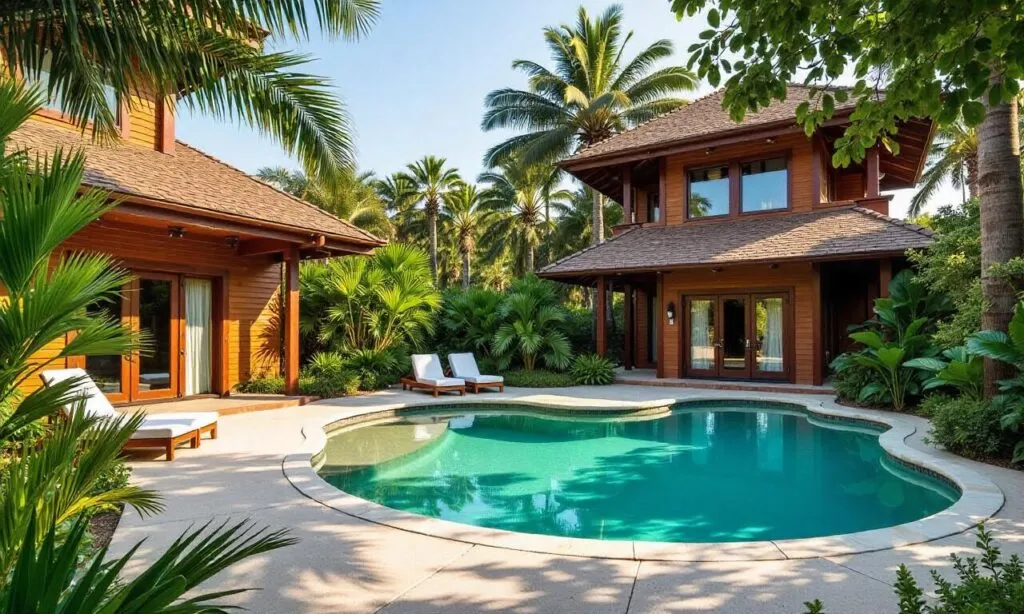
In an era where environmental consciousness is becoming a cornerstone of modern travel, the characteristics of an eco lodge have evolved beyond just sustainability. These unique accommodations are designed to harmonize with nature, offering travelers an immersive experience while minimizing their ecological footprint. From renewable materials to off-grid energy solutions, eco lodges blend functionality with ecological responsibility, setting a new standard for responsible tourism. As the demand for eco-friendly travel options grows, understanding the core characteristics of an eco lodge becomes essential for both business owners and eco-conscious guests seeking a meaningful connection with the environment. This article explores the defining elements that make eco lodges stand out, including sustainable architecture, energy-efficient systems, waste reduction strategies, and community-focused practices, all of which contribute to a greener, more authentic travel experience.
—
Sustainable Design Principles
The characteristics of an eco lodge often begin with its sustainable design principles, which prioritize environmental harmony and long-term resource efficiency. Unlike conventional hotels that rely heavily on concrete and steel, eco lodges incorporate natural materials such as bamboo, reclaimed wood, and locally sourced stone. These materials not only reduce the carbon footprint associated with transportation but also enhance the aesthetic appeal of the structure, creating a seamless blend with the surrounding landscape.
1 Use of Renewable and Local Materials
One of the key characteristics of an eco lodge is its commitment to using renewable materials that are biodegradable or recyclable. For example, bamboo is a popular choice due to its rapid growth and strength, making it ideal for flooring, walls, and even furniture. Recycled glass and repurposed metal are also commonly used for decorative elements or structural components. By sourcing materials locally, eco lodges minimize the environmental impact of transportation, supporting local economies while reducing emissions. This approach also ensures that the construction process is less disruptive to the natural environment.
The use of natural materials extends beyond just their environmental benefits. These materials often have lower embodied energy compared to synthetic alternatives, meaning they require less energy to produce and transport. Additionally, their biophilic design fosters a sense of connection with nature, encouraging guests to feel more at home in their surroundings. For instance, mud bricks used in arid regions not only regulate indoor temperatures naturally but also reflect the local culture and traditions.
2 Integration with Natural Surroundings
Eco lodges are often built in harmony with their environment, incorporating green architecture principles that minimize land disruption. This might involve designing with existing topography, using natural ventilation to reduce reliance on air conditioning, or planting native vegetation to create a living facade. The goal is to make the lodge invisible to the landscape, blending into the environment rather than dominating it.
This integration is not just visual but functional. For example, eco lodges in coastal areas might feature raised platforms to protect against rising sea levels, while those in forests may be constructed with minimal ground disturbance to preserve wildlife habitats. Such designs ensure that the lodge does not harm the ecosystem but instead supports its preservation. By avoiding the use of harmful chemicals and non-biodegradable products, eco lodges maintain the purity of their natural surroundings.
3 Energy-Efficient and Low-Impact Construction
The construction of eco lodges is another critical aspect of their characteristics. These lodges are built with low-impact techniques, such as using green roofs or rainwater harvesting systems, to reduce resource consumption. Energy-efficient systems are also a hallmark of eco lodges, from insulated walls to double-glazed windows, which help maintain indoor temperatures with minimal energy input.
Furthermore, eco lodges often prioritize passive design principles, such as orienting buildings to maximize natural light and minimizing heat loss. This not only reduces energy bills but also enhances the comfort and ambiance of the space. By avoiding large-scale landfills during construction and using eco-friendly finishes, these lodges ensure that their carbon footprint is kept to a minimum. Such efforts reflect a broader commitment to sustainable living and environmental preservation, making them a compelling choice for eco-conscious travelers.
—
Eco-Friendly Energy Solutions
A defining characteristic of an eco lodge is its commitment to renewable energy. Traditional hotels often rely on fossil fuels, contributing to greenhouse gas emissions and climate change. In contrast, eco lodges harness solar power, wind energy, and geothermal systems to meet their energy needs. These eco-friendly energy solutions not only reduce the environmental impact of the lodge but also provide long-term cost savings and energy independence.
1 Solar Power and Photovoltaic Systems
Solar power is one of the most common eco-friendly energy solutions in eco lodges. Photovoltaic panels installed on rooftops or integrated into the structure generate clean, renewable energy for lighting, heating, and other essential functions. For example, eco lodges in sunny regions often use solar water heaters to reduce reliance on gas or electric heating, which can significantly lower their energy consumption.
The characteristics of an eco lodge also include energy-efficient technologies, such as smart lighting systems that adjust brightness based on occupancy and solar-powered outdoor lights that illuminate paths without consuming excess electricity. By maximizing solar energy utilization, these lodges can operate off-grid, reducing their carbon footprint and promoting sustainable energy practices. This not only benefits the environment but also ensures long-term viability for the business, as renewable energy sources are becoming increasingly cost-effective.
2 Wind Energy and Micro-Hydro Systems
In addition to solar power, eco lodges may incorporate wind energy to meet their energy needs. Wind turbines mounted on-site generate electricity, especially in regions with consistent wind patterns. For instance, eco lodges in coastal or mountainous areas can leverage micro-hydro systems to harness the kinetic energy of flowing water. These eco-friendly energy solutions are often complementary, allowing the lodge to reduce dependency on fossil fuels.
By designing energy systems that adapt to the local environment, eco lodges ensure maximal efficiency. This might involve installing wind turbines that are tailored to the region’s climate or building micro-hydro dams that support local ecosystems. The characteristics of an eco lodge also include energy storage systems such as batteries, which store excess energy for use during periods of low generation. Such innovative approaches to energy management are critical for achieving self-sufficiency and sustainability.
3 Geothermal Energy and Passive Heating
Another eco-friendly energy solution is geothermal energy, which taps into the Earth’s natural heat to provide heating and cooling. Eco lodges in colder climates often use geothermal heat pumps to maintain optimal indoor temperatures with minimal energy consumption. This technology not only reduces energy costs but also lowers greenhouse gas emissions, making it a key characteristic of modern eco lodges.
Passive heating and cooling methods are also integral to the characteristics of an eco lodge. For example, thick insulation, thermal mass materials, and cross-ventilation design help regulate temperature without the need for active heating systems. By integrating these principles, eco lodges create energy-efficient environments that are both comfortable and eco-conscious. This approach reflects a holistic understanding of environmental sustainability and energy conservation, ensuring that every aspect of the lodge supports green living.
—
Water Conservation Strategies
Water conservation is a critical characteristic of an eco lodge, especially in regions where water scarcity is a pressing issue. These lodges employ innovative water-saving technologies to reduce consumption and waste, ensuring that natural water resources are preserved for future generations. By adopting eco-friendly practices, eco lodges not only lower their environmental impact but also support local ecosystems.
1 Rainwater Harvesting and Reuse Systems
One of the most effective water conservation strategies in eco lodges is rainwater harvesting. This involves collecting and storing rainwater from rooftops and other surfaces for later use in gardening, flushing toilets, or even irrigating green spaces. For instance, eco lodges in arid regions often have large cisterns that store rainwater during the rainy season, ensuring consistent water supply even during dry periods.
The characteristics of an eco lodge also include recycling water through advanced filtration systems. These systems purify wastewater for reuse, reducing the need to draw from natural sources. By integrating these strategies, eco lodges create closed-loop water systems that minimize waste and maximize efficiency. This not only supports environmental sustainability but also lowers operational costs, making it a win-win for both the business and the planet.
2 Low-Flow Fixtures and Water-Efficient Technologies
Eco lodges are equipped with low-flow fixtures such as water-saving showerheads, toilet systems, and faucets that reduce water consumption without compromising comfort. These eco-friendly technologies are often paired with smart sensors that detect water usage patterns and optimize consumption in real time.
The characteristics of an eco lodge also extend to water-efficient landscaping. By using drought-resistant plants and xeriscaping techniques, these lodges reduce irrigation needs, ensuring that water resources are used responsibly. Additionally, greywater recycling systems are commonly integrated to treat and reuse wastewater from sinks and showers for non-potable purposes. These innovative approaches to water management are essential for sustainability, reflecting a commitment to ecological balance.
—
Waste Management and Recycling Initiatives
A significant characteristic of an eco lodge is its waste management system, which ensures that minimal waste is generated and that recycling efforts are maximized. Unlike traditional hotels, which often contribute to landfill overflow, eco lodges prioritize zero-waste goals and eco-friendly waste disposal. This approach not only reduces environmental pollution but also supports local recycling programs.
1 Composting and Organic Waste Reduction
Composting is a core characteristic of eco lodges, enabling the conversion of organic waste into nutrient-rich soil. Guests are encouraged to separate food scraps and compostable materials, which are then used to fertilize on-site gardens or local farms. This eco-friendly practice helps reduce landfill contributions and promotes sustainable agriculture.
The characteristics of an eco lodge also include composting toilets, which eliminate the need for water-intensive flushing systems. These innovative toilets use natural decomposition to process waste, making them a viable alternative to traditional systems. By implementing composting, eco lodges cut down on waste and create a circular system that supports ecological balance. This waste management strategy is a key element in achieving sustainability and environmental responsibility.
2 Recycling Programs and Material Reuse
Eco lodges often establish comprehensive recycling programs to separate materials such as paper, plastic, glass, and metal. These recycling efforts are supported by community partnerships, ensuring that recyclables are processed efficiently. The characteristics of an eco lodge also include reusing materials from construction or renovation, such as recycled glass countertops or repurposed wood furniture, to minimize resource consumption.
By designing waste management systems that align with local recycling infrastructure, eco lodges reduce their environmental impact. This might involve partnering with local waste management companies or setting up on-site recycling stations. The goal is to create a closed-loop system where waste is minimized, and materials are reused or recycled. Such practices reflect a commitment to sustainability, making them integral to the eco lodge model.
—

Community and Cultural Integration
Beyond environmental considerations, eco lodges are designed to support local communities and preserve cultural heritage. This characteristic of an eco lodge ensures that guests not only reduce their ecological footprint but also contribute to the local economy and cultural preservation. By integrating with the local culture, eco lodges create a more meaningful and immersive travel experience.
1 Local Partnerships and Economic Support
Many eco lodges collaborate with local businesses to support the regional economy. This might include sourcing food and services from nearby farmers, employing local staff, or using traditional craftsmanship in decor and construction. The characteristics of an eco lodge also emphasize fair wages and community development, ensuring that economic benefits are shared with local populations.
Such local partnerships are not just beneficial for the economy but also enhance the cultural experience for guests. For example, eco lodges in indigenous regions often offer traditional cuisine or cultural tours that highlight local customs. By embedding themselves in the community, these lodges create a sense of belonging and encourage sustainable practices that support both people and the environment.
2 Cultural Preservation and Educational Programs
Eco lodges frequently incorporate cultural preservation into their characteristics, ensuring that local traditions are maintained and shared with guests. This might involve preserving historical architecture, using traditional building methods, or organizing educational workshops on sustainable living. The characteristics of an eco lodge also include guiding guests through local customs, such as eco-friendly rituals or indigenous storytelling, to deepen their understanding of the region.
By fostering cultural exchange, eco lodges enhance the visitor experience while promoting awareness of local heritage. For instance, eco lodges in mountainous regions might offer workshops on sustainable farming or traditional crafts, allowing guests to participate in local activities. These cultural integration efforts reflect a broader commitment to sustainability, ensuring that eco lodges do not just protect the environment but also support the community.
—
Biodiversity and Ecosystem Protection
Eco lodges are not only eco-friendly in their design and operations but also dedicated to preserving biodiversity and protecting local ecosystems. This characteristic of an eco lodge ensures that guest activities do not harm the environment but support its conservation. By integrating with the natural surroundings, these lodges create habitats for local wildlife and reduce human impact on ecosystems.
1 Native Plant Landscaping and Wildlife Corridors
One of the key characteristics of an eco lodge is its use of native plants in landscaping, which attracts local pollinators and supports biodiversity. These plants are well-adapted to the climate, requiring less water and maintenance than non-native species. Additionally, eco lodges often create wildlife corridors that allow animals to move freely between habitats, minimizing fragmentation caused by construction and tourism.
The characteristics of an eco lodge also extend to designing with wildlife in mind. For example, elevated platforms or well-placed pathways prevent disturbance to nesting areas or migration routes. By preserving natural habitats, these lodges ensure that guests can enjoy the local ecosystem without disrupting its balance. This commitment to biodiversity is a cornerstone of the eco lodge model.
2 Carbon Neutrality and Emission Reduction
Achieving carbon neutrality is a critical characteristic of an eco lodge, ensuring that greenhouse gas emissions are minimized or offset. This is often done through planting native trees, using renewable energy, and supporting reforestation projects. The characteristics of an eco lodge also include using electric or hybrid vehicles for transportation, reducing fossil fuel dependence, and promoting sustainable practices in guest activities.
To attain carbon neutrality, eco lodges track their emissions and implement offsetting measures, such as investing in carbon credits or planting trees to absorb CO2 emissions. These eco-friendly strategies not only reduce the lodge’s carbon footprint but also inspire guests to adopt similar practices. The characteristics of an eco lodge reflect a holistic approach to environmental sustainability, ensuring that every aspect of the stay contributes to climate protection.
—
Educational and Interactive Elements
Eco lodges often incorporate educational and interactive elements to enhance guests’ awareness of sustainability. These features are integral to the characteristics of an eco lodge, as they transform the stay into a learning experience. By encouraging guests to participate in eco-friendly activities, these lodges foster a deeper connection with the environment.
1 On-Site Environmental Education
Many eco lodges provide on-site educational programs that teach guests about sustainable living. This might include workshops on composting, eco-friendly cooking, or conservation efforts. The characteristics of an eco lodge also involve sharing information about local ecosystems, such as habitat restoration projects or wildlife conservation initiatives.
These educational elements are designed to be engaging, using interactive experiences such as guided nature walks or hands-on activities in composting or water conservation. By making sustainability accessible and tangible, eco lodges inspire guests to adopt eco-friendly habits beyond their stay. This characteristic not only educates but also empowers travelers to make informed choices in their daily lives.
2 Guest Participation in Sustainable Practices
Eco lodges encourage guest participation in sustainable practices, such as reusing towels, recycling waste, or using energy-saving devices. These interactive elements are central to the eco lodge model, as they make guests active contributors to environmental conservation.
The characteristics of an eco lodge also include interactive exhibits or virtual reality experiences that show the impact of human activities on the environment. For instance, eco lodges might use digital displays to exhibit local wildlife or highlight the importance of renewable energy. By involving guests in the eco journey, these lodges create a lasting impact, ensuring that sustainability becomes a shared value.
—
Table: Comparison of Eco Lodges and Traditional Hotels
| Feature | Eco Lodge | Traditional Hotel |
|---|---|---|
| Materials Used | Renewable, locally sourced | Synthetic, mass-produced |
| Energy Sources | Solar, wind, geothermal | Fossil fuels, electricity |
| Water Usage | Rainwater harvesting, greywater recycling | High consumption, minimal recycling |
| Waste Management | Composting, recycling programs | Landfill contributions, minimal reuse |
| Community Impact | Supports local economies, cultural preservation | Often less community engagement |
This table highlights the key differences between eco lodges and traditional hotels, emphasizing how eco lodges prioritize sustainability in every aspect of their operations.
—
FAQ: Frequently Asked Questions About Eco Lodges
Q: What is an eco lodge?
A: An eco lodge is a type of sustainable accommodation designed to minimize environmental impact while offering guests an immersive natural experience. These lodges incorporate eco-friendly practices in design, construction, and operations, ensuring that guests can enjoy a green stay without compromising comfort.
Q: How do eco lodges reduce their carbon footprint?
A: Eco lodges reduce their carbon footprint through renewable energy solutions, such as solar panels and wind turbines, and sustainable materials that require less energy to produce. Additionally, water conservation strategies and waste management programs help cut down on resource consumption, making them environmentally friendly.
Q: Are eco lodges more expensive than traditional hotels?
A: While eco lodges may have a higher initial cost, their long-term sustainability and lower operational expenses often result in competitive pricing. By using energy-efficient systems and reducing resource waste, eco lodges offer cost-effective solutions that align with eco-conscious budgets.
—
Conclusion
Eco lodges are more than just eco-friendly accommodations—they are pioneers in sustainable tourism. The characteristics of an eco lodge encompass sustainable design, renewable energy, water conservation, waste management, and community engagement, all of which work together to create a green stay that respects the environment and supports local cultures. By integrating these principles, eco lodges offer a unique travel experience that fosters awareness and action toward environmental preservation. As eco-tourism continues to grow, these lodges are setting the standard for a more sustainable future, proving that eco-friendly living and luxurious experiences can coexist.
—
Summary:
This article delves into the characteristics of an eco lodge, highlighting five key areas: sustainable design, eco-friendly energy solutions, water conservation strategies, waste management, and community and cultural integration. By using renewable materials, harnessing solar and wind power, reducing water consumption, implementing composting and recycling programs, and supporting local economies, eco lodges stand out as eco-conscious accommodations. The integration of educational elements further enhances guest engagement, ensuring that every stay contributes to environmental sustainability. With a comparative table and FAQ section, the article provides a comprehensive overview of how eco lodges distinguish themselves from traditional hotels, offering a holistic approach to green living. As sustainable tourism becomes increasingly relevant, eco lodges serve as a model for responsible travel and eco-friendly innovation.
