
How to Plan a Sustainable Vacation: Tips and Ideas
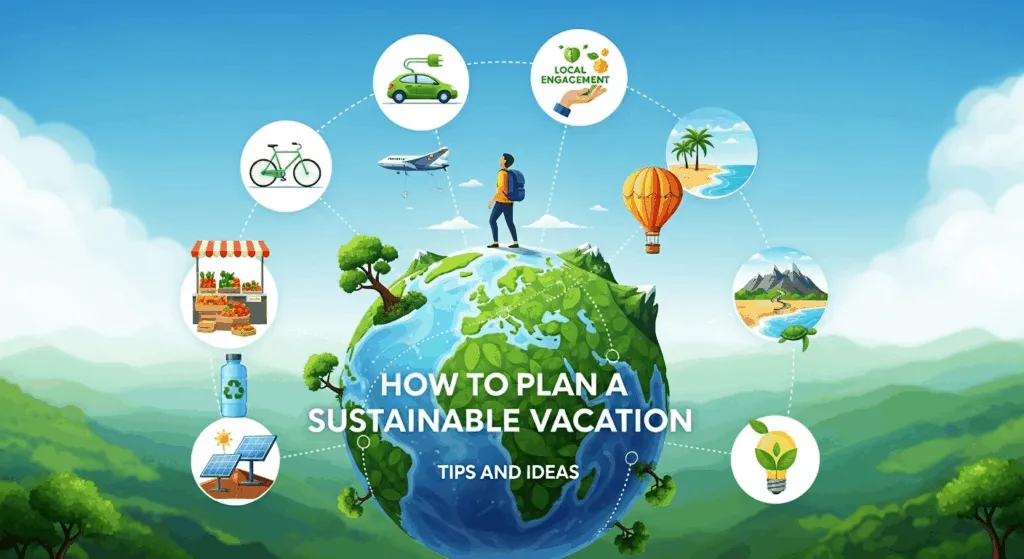
Understanding the Principles of Sustainable Travel
Sustainable travel is more than skipping straws or reusing towels at a hotel—it’s a mindset that runs through your whole trip. Start by thinking about your travel choices as a chain of decisions. Each link—from destination to transportation, lodging, and daily habits—contributes to your overall footprint and the wellbeing of the places you visit.
At its core, sustainable travel aims to cut emissions, protect ecosystems, support local economies, and respect culture. You don’t need to be perfect to make a difference. Even small changes, when applied consistently, lead to meaningful outcomes over time.
What matters most is alignment. Choose options that fit your interests and budget while moving you toward lower-impact travel. The goal is a vacation that’s memorable, responsible, and fair—to the planet, the host community, and you.
Think in Systems, Not Checklists
A system-wide mindset helps you see how choices interact. For example, choosing a closer destination might reduce flight emissions so you can splurge on a nature-led tour that funds conservation. Or selecting a hotel near public transit may let you skip daily rideshares, saving money and emissions.
Checklists can be useful (we include several), but they work best when guided by a bigger picture. Look for synergies—choices that reduce impact and increase enjoyment, such as staying in a walkable neighborhood rich in local food and culture.
Prioritize Prevention Over Compensation
Carbon offsets can be part of your toolkit, but the most powerful action is preventing emissions upfront. That means picking low-carbon transport where possible, reducing energy use, and avoiding waste. Offsets are a last step, not a license to emit.
When you do offset, seek transparency and verification (more on that below). Prevention saves you money, simplifies your packing, and reduces stress—while preserving the very places you want to visit.
Value Local Wellbeing as Highly as Nature
Sustainability is also social. Choose experiences that benefit local people, from family-run guesthouses to community-owned tours. Respect customs, pay fair prices, and engage with humility. This approach enriches your trip and ensures your money supports those who care for the land you’re enjoying.
Cultural respect and environmental care go hand-in-hand. When you support local stewardship, you help protect landscapes, traditions, and livelihoods for the long term.
Before You Book: Research and Goal-Setting
A sustainable vacation starts at the planning stage. Good research prevents headaches and helps you align your values, time, and budget. Decide what you want this trip to do for you—rest, adventure, learning—and set simple impact goals alongside your itinerary.
Build your plan around the destination’s seasonality, carrying capacity, and community needs. Some places have overtourism in peak months but welcome visitors dearly in shoulder seasons.
Define Your Impact Budget and Money Budget
Set two budgets:
- A financial budget (what you can spend).
- An “impact budget” (what you aim to emit, waste, or use).
For example, you might aim to keep transport emissions under a certain amount, stay only in locally owned lodging, and eat mostly plant-forward meals. These goals become your trip’s North Star.
Keep the goals realistic. A 10–30% emissions reduction versus your usual travel is a great start. Even one or two well-chosen actions can have outsized impact.
Choose Destinations That Welcome You
Research whether the destination is actively working toward sustainability. Look for:
- Tourism boards promoting eco-certifications.
- Public transit investments and walkable infrastructure.
- Community-led tours and conservation projects.
Travel in shoulder or off-peak seasons to avoid crowding, secure better rates, and reduce strain on local resources. Your visit can then contribute to a steadier, more sustainable local economy.
Getting There: Transportation Choices and Emissions
Transport typically makes up the largest share of a trip’s footprint. The most effective lever you have is how far and how you go. Favor closer destinations and slower modes. When you must fly, be strategic.
Below are approximate per-passenger emissions ranges to help you compare. Actual impact varies with load factors, distance, aircraft/vehicle type, energy mix, and occupancy.
| Mode (approx.) | g CO2e per passenger-km (range) | Notes |
|---|---|---|
| Short-haul flight | 200–300 | Highest per km; takeoff/landing heavy |
| Long-haul flight | 120–180 | Lower per km than short-haul |
| Car (solo, gasoline) | 150–200 | Carpooling drastically reduces per person |
| Car (full, gasoline, 4 people) | 40–70 | Split across passengers |
| Electric vehicle (avg. grid mix) | 40–100 | Cleaner in regions with greener grids |
| Intercity coach/bus | 25–50 | Efficient when well-occupied |
| Rail (electric) | 10–40 | Among the lowest, varies by grid |
| Ferry (standard) | 120–180 | Varies widely; foot passengers lower |
These figures are indicative. Use a reputable calculator to model your actual route.
If You Must Fly, Fly Smarter
- Choose nonstop routes when possible. Takeoffs and landings are energy-intensive, so reducing connections generally lowers your footprint and saves time.
- Pick efficient airlines and aircraft. Newer planes, higher load factors, and airlines investing in Sustainable Aviation Fuel (SAF) improve performance.
Fly economy (more passengers per area equals lower per-person emissions) and pack light. Every kilogram affects fuel burn. If your trip involves multiple short hops, consider replacing one leg with rail.
Go Slow: Trains, Buses, and EV Road Trips
Opting for rail or coach cuts emissions dramatically and often reduces stress—no security lines, more legroom, scenic routes, and urban-center to urban-center convenience. In many regions, overnight trains help you combine transport and lodging.
If driving, consider an EV or hybrid and plan charging around meal breaks. Fill the car with people and luggage efficiently. Avoid rush hours to reduce idling and unnecessary stops.
A simple sequence for lower-impact transport:
- Choose a nearer destination if possible.
- Prefer rail or coach over flying.
- If flying, choose nonstop and economy.
- If driving, share seats and consider an EV.
- Move around locally by foot, bike, or transit.
Where You Sleep: Low-Impact Lodging
Your choice of accommodation sends a powerful signal. Seek places that measure and reduce energy and water use, manage waste responsibly, and invest in staff and community. Local ownership keeps money in the destination and often delivers a more authentic stay.
Location matters. A well-placed hotel or guesthouse can eliminate daily rideshares and enrich your experience by placing you in walkable, lively neighborhoods.
Read Beyond the Label
Eco-labels help, but dig deeper. Review specific practices:
- Renewable energy use and energy-efficient systems.
- Water-saving fixtures and linen reuse policies.
- Waste sorting and refill stations (no single-use minis).
- Fair wages, local hiring, and training programs.
Read recent guest reviews that mention sustainability; look for consistency, not one-off gestures. Certifications like Green Key, EarthCheck, or GSTC-recognized programs can be a good sign, but substance beats slogans.
Support Smaller, Local, and Fair
Owner-operated B&Bs, farm stays, or community lodges often reinvest in the local area. Ask how your stay benefits residents: Do they source food locally? Fund conservation or cultural projects? Offer meaningful community experiences?
When comparing similar options, the tie-breaker can be who benefits most from your booking. A slightly higher nightly rate may be worth it if it funds local jobs and reduces resource use.
Finally, be a considerate guest. Keep showers short, turn off AC and lights when you leave, and use refillable bottles. These small habits add up.
What You Do There: Activities, Food, and Culture
Activities shape your footprint and your memories. Choose experiences that support conservation, celebrate culture, and spread revenue fairly. Food choices can also dramatically influence impact and connect you with authentic flavors.
Build days around low-carbon joys: walking tours, parks, museums, markets, and public events. Many of the most memorable moments cost little and emit even less.

Ethical Nature and Wildlife
Avoid attractions that exploit animals—no riding, hugging, or performances from captive wildlife. Instead, join small-group, expert-led experiences that observe animals at a respectful distance and contribute to habitat protection.
Ask tour operators about group sizes, code of conduct, and whether fees support conservation. A great operator will be proud to explain their ethics and impact.
Dining with a Conscience
Taste the region by eating seasonal, local dishes. Plant-forward meals generally have lower carbon and water footprints and are often the heart of local cuisine. Explore markets and family-run eateries; your money directly supports community livelihoods.
Reduce food waste by ordering shared plates and bringing a small reusable container for leftovers. Hydrate with tap water where safe, using a purifier bottle if needed.
Some low-impact ideas:
- Join a community cooking class using local produce.
- Book a walking food tour that pays fair rates to vendors.
- Picnic with farmers’ market finds using your reusables.
Pack, Pay, and Day-to-Day Habits
Packing light lowers transport emissions and makes travel easier. Reusables minimize waste, and conscious payment choices can help local businesses thrive. Daily habits turn good intentions into reality.
Remember: what you don’t bring matters as much as what you do. Many items are unnecessary if you can borrow, rent, or share at your destination.
Pack Reusables That Punch Above Their Weight
A compact kit can eliminate dozens of disposables:
- Collapsible bottle and cup, utensil set, cloth napkin.
- Lightweight food container or silicone bag.
- Refillable toiletries in solid or concentrated form.
Use packing cubes to keep luggage organized and small. Choose a capsule wardrobe that layers well and washes quickly. Repair kits (mini sewing kit, tape) extend gear life so you buy less on the road.
Money, Connectivity, and Digital Footprint
Favor local payment platforms or cash where appropriate so small businesses avoid excessive fees. Tip fairly and buy directly from makers and guides.
Digitally, reduce footprint and clutter by downloading maps for offline use, consolidating tickets into a single app or pass, and switching devices to low-power modes. Cloud syncing over cellular burns energy; batch your uploads on Wi‑Fi.
Even your search habits can be mindful: save places to offline lists, and use shared docs for group planning to cut repeated downloads.
Measure, Offset, and Share Your Impact
If you don’t measure, you can’t improve. Simple tracking helps you compare trips and spot your biggest wins. Offsetting can complement reductions if done carefully. Finally, sharing your experience can inspire others and support responsible businesses.
Think of this as closing the loop—reflecting on what worked and what you’ll do differently next time.
Track and Reduce
Before you go, note your baseline: typical transport mode, average daily spend, and common waste sources (single-use plastics, food waste). During the trip, jot down transport distances, lodging type, and notable choices (e.g., all rail, EV share, locally owned stays).
Post-trip, estimate emissions using a calculator and identify the biggest chunk (often flights). Set one new target for the next trip—e.g., swap one flight leg for rail or choose an all-transit itinerary for a long weekend.
Offset with Integrity
Offsets are not a silver bullet, but vetted projects can deliver real benefits. Look for:
- Verified standards (e.g., projects validated under rigorous, independent frameworks).
- Additionality (the project wouldn’t happen without your funding).
- Permanence and leakage safeguards (carbon stays sequestered and isn’t offset by increases elsewhere).
- Co-benefits (biodiversity, clean cooking, community health).
A simple offset checklist:
- Reduce first; offset the remainder.
- Choose high-quality, transparent projects.
- Prefer projects with clear monitoring and co-benefits.
- Recalculate annually to track improvement.
A 7-Day Low-Carbon City-and-Nature Itinerary (Template)
This sample plan blends urban discovery with nature, emphasizing low-impact transport, local food, and community experiences. Adapt it to your region—choose cities connected by rail and parks accessible by public transit.
Day-by-day snapshot:
| Day | Base | Transport | Highlights | Impact Notes |
|---|---|---|---|---|
| 1 | City | Train in | Walk historic core, local dinner | No rideshares; plant-forward meal |
| 2 | City | Foot/bike | Museum, market tour, refill stations | Reusable kit in action |
| 3 | City | Tram/bus | Neighborhood culture walk, community show | Small groups, fair tickets |
| 4 | Nature hub | Train | Check-in eco-lodge, sunset trail | Certified lodging |
| 5 | Nature | Foot | Ranger-led wildlife viewing | Ethical, small group |
| 6 | Nature | E-bike | Farm visit, cooking class | Local supply chain |
| 7 | City | Train out | Brunch, pick up verified local crafts | Pack light, minimal waste |
Practical tips:
- Pre-book rail to secure good fares.
- Choose central lodging in cities and a certified eco-lodge near the park.
- Balance active days with slower ones to avoid burnout and unnecessary transport.
Use this template as a flexible structure, swapping in festivals, nature reserves, or heritage sites aligned with your interests. Lean into the local zeitgeist and keep your days walkable and uncluttered.
Frequently Asked Questions (FAQ)
Q: What’s the single biggest thing I can do to make my vacation sustainable?
A: Transportation. Choosing nearer destinations, going by train or coach, and minimizing flights (especially short hops) typically reduces the largest portion of your footprint.
Q: Are carbon offsets worth it?
A: Offsets can complement reductions if they’re high-quality and verified. Prioritize preventing emissions first, then offset the remainder via transparent projects with strong co-benefits.
Q: Is sustainable travel more expensive?
A: Not necessarily. Rail passes, shoulder-season travel, walkable neighborhoods, and cooking some meals can offset pricier eco-lodging. Many sustainable choices—packing light, using transit—save money.
Q: How do I know if a wildlife tour is ethical?
A: Look for small group sizes, no touching or feeding, trained naturalists, and clear conservation contributions. If something seems exploitative, skip it.
Q: Can I be sustainable on a short weekend trip?
A: Yes. Pick a destination reachable by rail or coach, stay in a central neighborhood, walk or bike, and prioritize local businesses. Short trips are perfect for low-impact itineraries.
Q: What if tap water isn’t safe where I’m going?
A: Bring a filter bottle or purification tablets. Many destinations also have refill kiosks—ask your lodging for the nearest safe sources.
Conclusion: Make Your Next Trip Count
Learning how to plan a sustainable vacation is about aligning your curiosity with care. By choosing closer destinations, lower-carbon transport, ethical stays, and community-centered experiences, you’ll craft a trip that feels richer—and does better.
Sustainability isn’t a constraint; it’s a design tool. It helps you slow down, savor place, and spend where it matters. Start with one or two actions this time—perhaps a rail journey or an eco-certified stay—and build from there. Your travel can help protect the landscapes you love and uplift the people who steward them. That’s a legacy worth bringing home.
—
Summary (English):
This comprehensive guide explains how to plan a sustainable vacation through practical, enjoyable choices. It outlines core principles (systems thinking, prevention over offsets, social wellbeing), pre-trip research, and high-impact decisions around transport, lodging, and activities. You’ll find a comparative emissions table, packing and money tips, an ethical wildlife and food framework, a 7-day low-carbon itinerary template, and a quality offset checklist. The FAQ tackles common questions on cost, offsets, short trips, and water safety. The takeaway: sustainability is a travel design tool—start with a few impactful changes, favor local and low-carbon options, and build habits that make every trip memorable and responsible.
