
Travel Better: Support The Local Economy on Your Trip
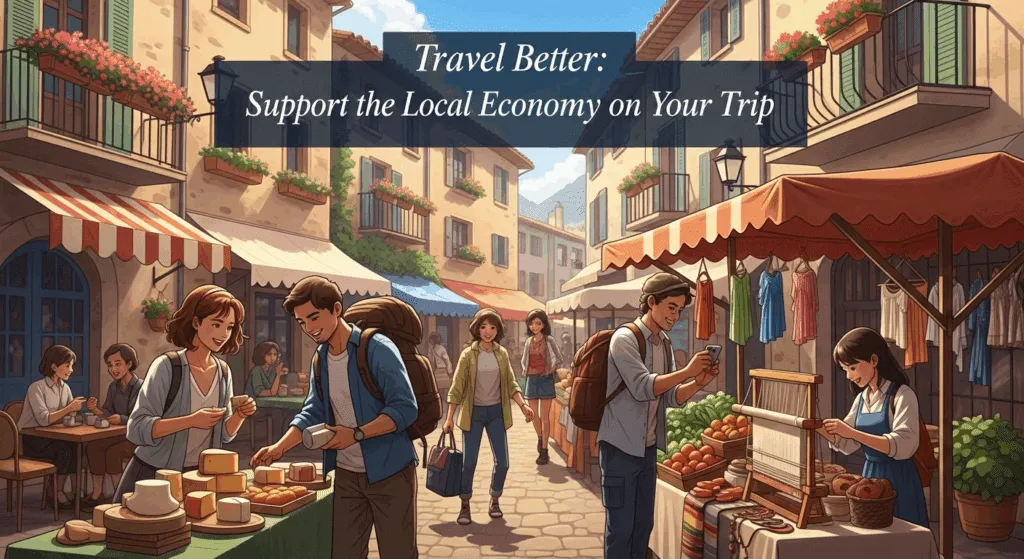
Traveling is one of life's most enriching experiences. It opens our minds, broadens our horizons, and creates memories that last a lifetime. But what if our travels could do more? What if every trip we took could also become a powerful tool for positive change in the places we visit? Too often, the money tourists spend ends up in the pockets of large, multinational corporations, a phenomenon known as "tourism leakage," where revenue fails to benefit the host community. The good news is that with a few conscious choices, you can ensure your travel dollars make a real difference. This guide will show you exactly how to support local economy while traveling, turning your trip into a positive force for the communities you visit.
Why Supporting the Local Economy Matters
The concept of supporting a local economy while traveling goes far beyond simple altruism; it is the cornerstone of sustainable and responsible tourism. When you travel, every dollar you spend is a vote for the kind of world you want to see. Spending it on a foreign-owned, all-inclusive resort might be convenient, but a significant portion of that money often leaves the country, flowing back to the corporation's headquarters. This economic "leakage" can be substantial, with some studies suggesting that for every $100 spent by a tourist in a developing country, as little as $5 actually stays within the local community.
The positive impacts of redirecting that spending are immense. When you choose to support local businesses, you directly contribute to job creation for residents, from the guesthouse owner to the market vendor. This income helps families afford better education, healthcare, and quality of life. Furthermore, it empowers small entrepreneurs, fostering a more resilient and diverse local economy that isn't solely dependent on a few large employers. This creates a virtuous cycle where community prosperity grows, which in turn enhances the very things that make a destination attractive to future travelers.
Ultimately, making these conscious choices profoundly enriches your own travel experience. Instead of a sanitized, one-size-fits-all vacation, you get an authentic glimpse into the an authentic glimpse into the culture of your destination. You connect with real people, hear their stories, and understand their way of life. Supporting the local economy isn't about charity; it's about a symbiotic relationship where both the visitor and the host benefit, creating a more meaningful and memorable journey for you and a more sustainable future for them.
Conscious Choices: Where You Stay and Eat
Your two biggest expenses on any trip are typically accommodation and food. This means your choices in these areas have the most significant potential financial impact on the local community. Shifting your spending here is the single most effective way to ensure your money stays local.
Choose Locally-Owned Accommodations
The difference between staying at a multinational hotel chain and a locally-owned guesthouse is stark. While a large hotel employs local staff, the profits are often repatriated. In contrast, when you stay at a family-run bed & breakfast, a boutique hotel owned by a local entrepreneur, or a traditional homestay, nearly 100% of the money you spend goes directly into the hands of a local family and, by extension, the local community. This income is then used to buy groceries from the local market, pay for school fees, and support other local services, creating a powerful ripple effect.
Finding these accommodations is easier than ever. Many major booking platforms now have filters that allow you to search for smaller, independent properties like guesthouses, apartments, and B&Bs. Look for properties where the owner's name is mentioned, or the description emphasizes its family-run nature. Reading reviews can also provide clues about the ownership and the level of personal interaction you can expect. Choosing these options not only supports the economy but often provides a richer cultural exchange, offering you priceless insights and recommendations from a true local.
Dine at Local Restaurants and Markets
Food is the heart of any culture, and the best way to experience it is by eating where the locals eat. Avoid the generic, overpriced restaurants clustered around major tourist traps, which are often owned by outside investors. Instead, venture a few streets away to find the small, family-owned eateries—the trattorias in Italy, the warungs in Indonesia, or the taquerías in Mexico. These establishments are the lifeblood of the culinary scene and the local economy.
Don't be afraid to embrace street food from clean, busy stalls or explore the vibrant chaos of a local food market. Markets are economic hubs where farmers, fishermen, and producers sell their goods directly. By eating here, you're not just getting the freshest, most authentic food; you are supporting an entire chain of local suppliers. Ask your guesthouse owner or a local guide for recommendations. Phrases like "Where do you go for the best [local dish]?" will almost always lead you to a delicious and economically impactful meal.
| Spending Choice | Typical Beneficiary | Local Economic Impact |
|---|---|---|
| International Hotel Chain | Foreign Corporation / Shareholders | Low (Only local staff salaries stay) |
| Locally-Owned Guesthouse | Local Family / Local Entrepreneur | High (Revenue circulates within the community) |
| Mass-Produced Souvenir | Distant Factory / Importer | Very Low (Often not made in the country) |
| Handmade Local Craft | Local Artisan / Craft Cooperative | Very High (Directly supports artist and preserves culture) |
Spending Smartly: Shopping and Souvenirs
Bringing home a memento from your travels is a cherished tradition. However, the souvenir market is flooded with mass-produced trinkets that are often made in a different country altogether. Shopping with intention is key to ensuring your souvenir budget supports local artisans and preserves cultural heritage.
Buy Directly from Artisans and Crafters
The most impactful way to shop is to buy directly from the person who made the item. Seek out local craft markets, artisan cooperatives, or visit workshops and studios. This not only guarantees the authenticity of your purchase but also ensures that the creator receives the full profit from their labor, rather than a tiny fraction of a sale made through a middleman. In many cultures, these crafts are a vital source of income, particularly for women and rural communities.
By purchasing directly, you are doing more than just buying an object; you are investing in the preservation of traditional skills. Whether it's a hand-woven textile, a piece of intricate pottery, or a wood carving, your purchase provides the financial incentive for these artists to continue practicing their craft and passing it down to the next generation. This keeps cultural traditions alive and vibrant, preventing them from being lost to time or replaced by mass production.
Prioritize Souvenirs with a Story
Think beyond the generic magnet or t-shirt. Look for items that tell a story about the place you visited and the people you met. A hand-painted tile from a small studio in Lisbon has more meaning than a factory-made replica. A scarf woven by a woman in a specific Andean village carries the story of her community and its traditions. These items become cherished possessions because they have a direct, tangible connection to your experience.
When you interact with the artisan, ask them about their craft. Learn about the materials they use, the meaning behind the patterns, and the time it took to create the piece. This interaction adds immense value to your purchase and transforms it from a simple transaction into a meaningful cultural exchange. This approach ensures your money supports genuine local craftsmanship and provides you with a much more significant keepsake.
Understand Bargaining Etiquette
In many parts of the world, bargaining is a customary part of shopping, especially in open-air markets. However, it's crucial to approach it with respect and perspective. Haggling is not about "winning" or getting the lowest price possible at the vendor's expense. It should be a lighthearted, friendly negotiation. Before you start, have a sense of what a fair price might be by observing what others pay or asking a trusted local.
A good rule of thumb is to never start a negotiation for an item you don't intend to buy. Offer a price that is reasonable, not insultingly low. Remember that a dollar or two may mean very little to you but could be significant for the vendor's daily income. Aggressively haggling over a small amount devalues the artisan's skill and labor. The goal is a fair price for both parties, not exploitation. In formal shops or artisan cooperatives with fixed prices, bargaining is generally not appropriate.
Experiencing the Destination: Tours and Activities
How you choose to explore a destination can also have a profound economic impact. Opting for locally-run experiences over large, impersonal tours provides deeper insights while channeling funds directly into the community.
Hire Local, Independent Guides
One of the best investments you can make on a trip is hiring a local guide. Independent guides are treasure troves of knowledge, offering personal anecdotes, historical context, and cultural insights that you'll never find in a guidebook or on a large bus tour. They can take you to hidden gems, translate for you, and help you navigate local customs, completely transforming your understanding of a place.

When you hire a local guide directly, you are supporting a small business owner and their family. You can find them through recommendations from your local accommodation, via local tourism boards, or on platforms that connect travelers with independent guides. This is a world away from taking a tour with a large international company, where the guide may be a low-wage employee and the majority of the profits leave the destination.
Participate in Community-Based Tourism
Look for activities that are explicitly designed to benefit the community. This field, known as community-based tourism (CBT), includes experiences like taking a cooking class in a local's home, visiting a community-managed nature reserve, learning a traditional craft in a village workshop, or staying on a family farm. These initiatives are often run by community cooperatives, with profits being shared among members or reinvested in local projects like schools or clinics.
CBT provides an incredibly authentic and immersive travel experience. It moves you from being a passive observer to an active participant in local life. It fosters genuine human connection and ensures that tourism is a force for empowerment, giving communities control over how their culture and environment are presented to the world. These experiences create a win-win scenario: you get an unforgettable memory, and the community reaps the economic and social benefits directly.
The Ripple Effect: Beyond Your Wallet
Supporting the local economy isn't just about financial transactions. It's a holistic approach to travel that involves respect, awareness, and sharing your knowledge. These non-monetary actions can have a surprisingly powerful and lasting positive impact.
Respect Local Culture and Environment
Your behavior as a tourist can indirectly affect the local economy. The primary assets of any tourist destination are its culture, its environment, and its people. By acting as a respectful and responsible visitor, you help preserve these assets for the long term, ensuring the destination remains a viable and attractive place for tourism to thrive. This includes dressing modestly in conservative areas, learning a few basic phrases in the local language (hello, thank you), and always asking for permission before taking someone's photograph.
Similarly, environmental responsibility is economic responsibility. Avoid single-use plastics that clog local landfills, stay on marked trails to prevent erosion, and conserve water and electricity. A damaged environment can decimate a local economy that depends on its natural beauty—be it pristine beaches, healthy coral reefs, or lush forests—to attract visitors. Your respect ensures the "product" that the local economy relies on remains intact for years to come.
Share Your Positive Experiences (and Be Specific!)
In the digital age, one of the most powerful ways to support a small local business is completely free: leave a positive, detailed online review. For a small guesthouse, a family-run restaurant, or an independent guide, a steady stream of good reviews is the most effective form of marketing they have. It builds trust and can directly influence hundreds of future travelers to choose their business.
When you write a review, be specific. Instead of just saying "the food was good," mention the name of the restaurant and the specific dish you loved. Instead of "our guide was great," mention their name and a particular story they told that you enjoyed. This specificity makes the review more credible and helpful. Sharing photos on social media and tagging the business (if they have a presence) is another fantastic way to give them a valuable signal boost and drive future customers their way.
Conclusion
Traveling responsibly is about making a series of small, conscious choices that add up to a big impact. By choosing to stay, eat, and shop locally, you transform from a passive consumer into an active partner in the community's development. Your journey becomes more than a simple vacation; it becomes an exchange—of culture, of stories, and of economic support.
Supporting the local economy doesn't require a bigger budget or a sacrifice in quality. In fact, it often leads to a more authentic, affordable, and deeply memorable experience. It connects you to the heart of a destination—its people. So on your next trip, travel better. Seek out the family-run businesses, listen to the stories of the artisans, and know that your presence is a positive force, helping to build a more sustainable and equitable world, one trip at a time.
***
Frequently Asked Questions (FAQ)
Q: Isn't it more expensive to support local businesses while traveling?
A: Not necessarily. In many cases, it's actually more affordable. A meal at a family-owned local eatery is often a fraction of the price of a hotel restaurant. While a unique handmade craft might cost more than a mass-produced magnet, it offers far greater value in terms of quality, story, and impact. By avoiding tourist-trap pricing and eating and shopping where locals do, you can often save money while having a more authentic experience.
Q: How can I be sure a business is truly "local"?
A: There are several clues. Look for businesses that feature a family name or are clearly run by the people working there. For accommodations, the "About Us" section on their website or booking profile can be very revealing. Don't be afraid to ask polite questions like, "Have you lived here long?" or "Is this a family business?" Genuine local owners are usually proud to share their story.
Q: What if I don't speak the local language? How can I connect with local business owners?
A: A language barrier shouldn't stop you. A warm smile is a universal language. Learning a few basic words like "hello," "please," and "thank you" in the local tongue shows respect and is always appreciated. You can also use translation apps on your phone for more complex interactions. The effort to connect, even non-verbally, is often what matters most.
Q: Is it safe to stay in local guesthouses or homestays instead of large international hotels?
A: Yes, it is generally very safe, and often offers a more secure and welcoming environment. The key is to do your research. Read recent reviews on multiple booking platforms to get a well-rounded view of the property and the host. Just like with any accommodation, use common sense—secure your valuables and be aware of your surroundings. Remember that large hotels are not immune to safety issues, and a local host often has a vested interest in ensuring their guests are safe and happy.
***
Summary of the Article
This article, "Travel Better: Support The Local Economy on Your Trip," serves as a comprehensive guide for travelers who want to make a positive economic impact on the destinations they visit. It begins by explaining why supporting the local economy is crucial, highlighting the problem of "tourism leakage" where money leaves the community and the benefits of keeping it local, such as job creation and cultural preservation.
The guide is structured around actionable advice in key areas of travel spending:
- Accommodation and Food: It advocates for choosing locally-owned guesthouses and B&Bs over multinational hotel chains and dining at family-run restaurants and local markets to ensure money circulates within the community.
- Shopping and Souvenirs: The article advises travelers to buy directly from artisans, prioritize items with a story, and practice respectful bargaining to support cultural heritage and ensure fair payment for labor.
- Tours and Activities: It recommends hiring independent local guides and participating in community-based tourism initiatives for a more authentic experience and direct economic benefit.
- Beyond Monetary Support: The article also covers the non-financial "ripple effects," such as respecting local culture and the environment to preserve the destination's assets and leveraging the power of specific, positive online reviews to provide free, high-impact marketing for small businesses.
Complete with a comparison table, an FAQ section, and a strong conclusion, the article's core message is that making conscious choices allows travelers to have a more authentic, meaningful, and affordable trip while acting as a powerful force for good.
