
What Does Green Travel Actually Mean? A Simple Guide
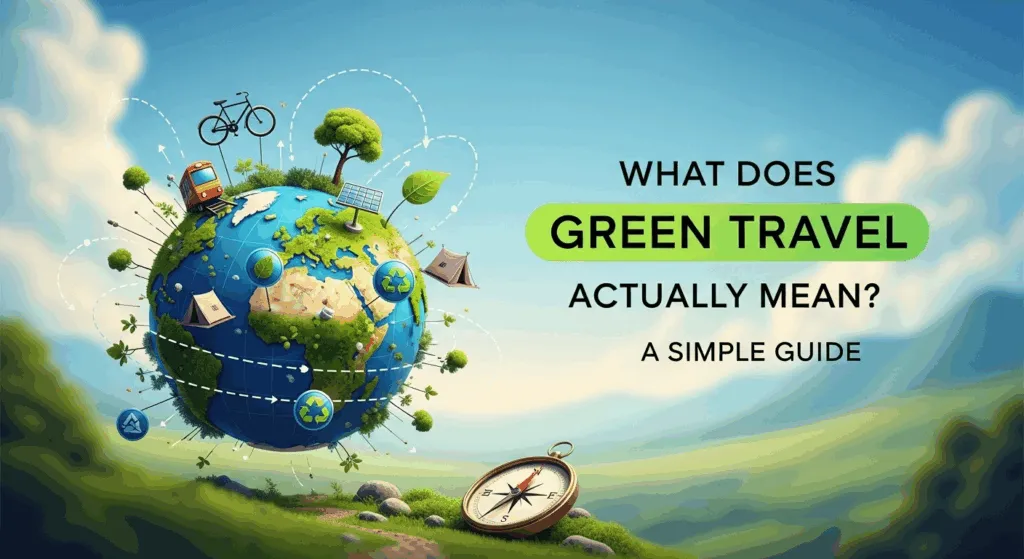
You’ve seen the terms splashed across travel blogs, hotel websites, and tour brochures: “eco-friendly,” “sustainable,” “responsible tourism.” It feels good, positive, and modern. But as you plan your next getaway, a fundamental question might bubble up: what does green travel actually mean? Is it just about reusing your hotel towel and carrying a metal water bottle, or is there more to it? The truth is, green travel is a rich, multi-faceted concept that goes far beyond a few simple actions. It’s a mindset, a philosophy, and a conscious choice to explore our beautiful planet in a way that protects its natural wonders, uplifts its communities, and preserves its cultural heritage for generations to come. This guide will demystify the buzzwords and provide a simple, actionable framework for becoming a more conscious traveler.
Defining the Core Concepts: Beyond the Buzzwords
The term "green travel" often serves as a broad umbrella for several interconnected ideas, including sustainable travel, ecotourism, and responsible tourism. While they are sometimes used interchangeably, understanding their nuances is key to grasping the full picture. At its heart, green travel is any form of tourism that aims to minimize negative impacts on the environment, society, and economy of a destination. It's about making a positive contribution rather than simply taking from a place.
True sustainable travel, which is the ultimate goal of the green travel movement, stands on three essential pillars. It’s not enough for a trip to be environmentally friendly if it harms the local community or funnels all profits to foreign corporations. To be genuinely sustainable, travel must be:
- Environmentally Viable: It must conserve natural resources and biodiversity and minimize pollution and waste.
- Socially & Culturally Equitable: It must respect the host communities, preserve their cultural heritage and values, and contribute to intercultural understanding and tolerance.
- Economically Beneficial: It must ensure long-term economic viability and provide fair benefits to all stakeholders, especially local residents.
Think of it as a three-legged stool. If one leg is weak or missing—for instance, an "eco-resort" that displaces a local community or a tour that pollutes a pristine river—the entire structure collapses. Green travel is the conscious effort to ensure all three legs are strong, creating a balanced and respectful travel experience.
The Environmental Pillar: Protecting Our Planet
This is the most intuitive aspect of green travel. It focuses on reducing your travel footprint, which is the total amount of greenhouse gases, primarily carbon dioxide, generated by your activities. This pillar is about making choices that conserve resources and protect natural ecosystems. It means being mindful of your consumption of water and energy, properly disposing of waste (or better yet, producing less of it), and actively avoiding activities that damage landscapes or harm wildlife.
From choosing a direct flight to minimize fuel consumption during takeoff and landing, to packing a reusable cutlery set to avoid single-use plastics at a food market, every decision contributes to this pillar. It also involves supporting businesses—like hotels powered by solar energy or tour operators who contribute to reforestation projects—that have made environmental stewardship a core part of their operations. This is about leaving a place as good as, or even better than, you found it.
The Social & Cultural Pillar: Respecting People and Traditions
Green travel extends far beyond environmental concerns; it is deeply human. The social and cultural pillar emphasizes that we are guests in someone else’s home. It’s about engaging with local communities in a way that is respectful, authentic, and mutually beneficial. This means learning a few words in the local language, dressing modestly in culturally conservative areas, and always asking for permission before taking someone’s photograph.
Furthermore, this pillar calls on travelers to support the preservation of cultural heritage, not its commodification. This involves choosing tours that provide accurate historical and cultural context, visiting community-run museums, and avoiding activities that exploit or trivialize sacred traditions. A truly green traveler understands that the culture and people of a destination are not just a backdrop for their vacation photos; they are the living, breathing heart of the place, deserving of dignity and respect.
The Economic Pillar: Ensuring Your Money Matters
Where does your money go when you travel? The economic pillar of sustainable travel addresses this critical question. In many popular tourist destinations, a phenomenon known as "economic leakage" occurs, where the vast majority of tourist revenue flows out of the local economy and into the pockets of large, international corporations. This means that the community bearing the environmental and social costs of tourism sees very little of the financial benefit.
Being a green traveler means actively combating this leakage. You can do this by prioritizing local ownership whenever possible. Eat at family-run restaurants, stay in locally-owned guesthouses or B&Bs, buy souvenirs directly from the artisans who made them, and hire local guides. By ensuring your tourist dollars stay within the community, you directly contribute to the local economy, support small businesses, and empower residents to build a better future for themselves.
Your Travel Footprint: Transportation and Its Impact
Transportation is arguably the single largest contributor to a traveler's carbon footprint. The very act of getting from point A to point B, especially over long distances, consumes a significant amount of fossil fuels. Air travel is particularly notorious; according to the Environmental and Energy Study Institute, aviation accounts for over 2.4% of global CO2 emissions. Understanding the impact of your transportation choices is the first step toward reducing it.
The hierarchy of transportation from an environmental perspective is relatively clear. Generally, trains are the most eco-friendly option for medium-to-long distances, followed by buses. Cars, especially with only one or two occupants, are less efficient, while flying is by far the most carbon-intensive mode of travel per kilometer. Therefore, a core principle of green travel is to choose the least impactful mode of transport that is practical for your journey.
This doesn't mean you can never fly again. For intercontinental travel, flying is often the only realistic option. However, green travel encourages a more mindful approach. This could mean choosing to take fewer but longer trips, opting for direct flights to reduce the fuel-intensive takeoff/landing cycles, and packing light, as a heavier plane burns more fuel. Some travelers also choose to purchase carbon offsets, which fund projects (like renewable energy or tree planting) designed to reduce greenhouse gases elsewhere, though this should be seen as a last resort, not a free pass to pollute.
Slow Travel: The Ultimate Green Journey
The concept of slow travel is a powerful antidote to the carbon-heavy, whirlwind tours that have become commonplace. Slow travel is a mindset that prioritizes connection over a packed itinerary. Instead of trying to see five cities in ten days, a slow traveler might spend the entire ten days exploring one city and its surrounding region. This approach inherently reduces transportation-related emissions.
By staying in one place for longer, you eliminate the need for multiple flights or long-haul bus journeys. Instead, your transportation becomes local: you walk, you cycle, you use public transit. This not only dramatically shrinks your carbon footprint but also allows for a much deeper and more authentic travel experience. You get to know the rhythm of a place, discover hidden gems, build relationships with local shopkeepers, and truly immerse yourself in the culture beyond the main tourist attractions.
Choosing Greener Modes of Transportation
When you do need to cover significant distances, making a conscious choice matters. For travel within a continent like Europe or parts of Asia, the rail network is often a fantastic and scenic alternative to short-haul flights. Modern high-speed trains can be just as fast as flying when you factor in travel time to the airport, security checks, and boarding. Overland buses are another excellent, budget-friendly choice that has a much lower carbon footprint than flying.
Even your choices within a destination add up. Instead of reflexively hailing a taxi or a ride-share, check if the city has a good public transit system like a metro or tram. Renting a bicycle is a wonderful way to explore at your own pace while getting some exercise and producing zero emissions. Walking, of course, is the greenest option of all and often the most rewarding, allowing you to notice the small details that make a place unique.
The Green Standard for Accommodations
After transportation, where you choose to lay your head at night has a significant impact on your journey's overall sustainability. The hospitality industry is resource-intensive, consuming vast amounts of water, energy, and producing significant waste, from single-use plastic toiletries to food scraps. A green traveler actively seeks out accommodations that are committed to minimizing this impact.
The good news is that a growing number of hotels, lodges, and guesthouses are embracing sustainability. They are implementing practices like installing solar panels, harvesting rainwater, operating robust recycling and composting programs, and sourcing food for their restaurants from local organic farms. Many of these establishments proudly display their green credentials, making it easier for travelers to identify them.
However, it's also important to be wary of "greenwashing," a marketing tactic where a company spends more time and money on advertising its green credentials than on implementing actual business practices that minimize environmental impact. Look for specifics. Does the hotel website simply say "we're eco-friendly," or does it detail its water-saving fixtures, its energy efficiency rating, and its community support initiatives? The more transparent and detailed they are, the more likely their commitment is genuine.
Identifying Eco-Conscious Hotels and Lodges
When searching for a place to stay, look for recognized third-party certifications. Labels like LEED (Leadership in Energy and Environmental Design), Green Key Global, EarthCheck, or B Corp Certification indicate that an establishment has met rigorous standards for environmental and social performance. These certifications are awarded by independent organizations and are a reliable sign of a genuine commitment to sustainability.
If an accommodation isn't certified, you can still be a detective. Scour their website for a "Sustainability" or "Community" page. Do they mention specific programs? For example:
- Energy: Use of renewable energy (solar, geothermal), LED lighting, key-card-activated power.
- Water: Low-flow faucets and showers, linen and towel reuse programs, rainwater harvesting.
- Waste: Elimination of single-use plastics, comprehensive recycling and composting, offering filtered water stations.
- Community: Sourcing food locally, employing local staff in management positions, supporting local charities or conservation projects.
Simple Habits for a Greener Stay
Even if you end up in a standard hotel that doesn’t advertise any green initiatives, your personal habits can still make a difference. The collective power of thousands of travelers making small, conscious choices is immense. You can turn your stay into a greener one by adopting a few simple practices.

Always participate in the linen and towel reuse program; it saves a tremendous amount of water and detergent. Unplug your electronics and turn off all lights and the air conditioning when you leave the room. Avoid the single-use plastic water bottles in the room and refill your own reusable bottle. Take your own solid toiletries (like shampoo and conditioner bars) to avoid using the small plastic bottles provided by the hotel. These small actions, when practiced consistently, reinforce the principles of green travel and reduce your personal impact significantly.
Conscious Consumption: Eating and Shopping Responsibly
Every trip involves consumption. We eat local food, drink local beverages, and buy souvenirs to remember our journey. How we approach this consumption is a critical component of green travel. It's an opportunity to directly support the local economy and minimize our environmental footprint, or to inadvertently contribute to waste and economic leakage.
When it comes to food, the mantra is "eat local, eat seasonal." Choosing restaurants that source their ingredients from nearby farms reduces "food miles"—the distance food is transported from where it is grown to where it is eaten—which in turn lowers carbon emissions. It also means you're tasting the authentic flavors of the region and supporting local farmers. Be wary of restaurants in tourist hubs that offer a generic international menu; the ingredients are often imported and frozen, contributing little to the local economy and a lot to the carbon footprint.
The same principle applies to shopping. The world is filled with mass-produced, generic souvenirs that are often made in a different country and have no connection to the local culture. Buying these items supports a globalized supply chain, not the local community you are visiting. A green traveler seeks out authenticity, purchasing handicrafts directly from the artisan, buying spices from a local market, or visiting a cooperative that ensures a fair wage for its members. This ensures your money has a positive impact and you go home with a treasure that has a real story.
| Traveler's Choice | The Unsustainable Option | The Green & Sustainable Alternative |
|---|---|---|
| Dining | Eating at an international fast-food chain or a tourist-trap restaurant serving imported food. | Dining at a locally-owned restaurant that serves seasonal dishes made with ingredients from the region. Visiting a local food market. |
| Drinking | Buying multiple single-use plastic bottles of imported water. | Carrying a reusable water bottle and using a filter/purifier or refilling at trusted water stations. Drinking local beverages. |
| Shopping | Purchasing mass-produced souvenirs (e.g., "I love NY" t-shirt made in another country) from a large tourist shop. | Buying a hand-woven textile directly from the weaver, purchasing ceramics from a local artisan's studio, or buying from a certified Fair Trade shop. |
| Snacking | Buying snacks wrapped in excessive plastic packaging from a large convenience store. | Purchasing fresh fruit, nuts, or baked goods from a local market and carrying them in a reusable bag or container. |
Engaging with Nature and Wildlife Ethically
Many of us travel to experience the breathtaking beauty of the natural world and to see incredible animals in their habitats. However, wildlife tourism can have a very dark side. Activities that involve direct interaction with wild animals are almost always unethical and harmful, even if they are marketed as "sanctuaries" or "orphanages."
The core principle of ethical wildlife engagement is to observe from a respectful distance. This means no touching, no feeding, no riding, and absolutely no selfies with wild animals. Activities like riding elephants can cause them immense physical and psychological suffering, as the training process is often brutal. Sanctuaries that allow you to cuddle tiger cubs or walk with lions are often involved in illegal breeding and trading, and the animals are frequently drugged and declawed for safety.
A truly green traveler supports genuine conservation efforts. This means choosing tour operators who follow strict ethical guidelines, maintain a safe distance from wildlife, and never use bait to lure animals. It means visiting legitimate rescue and rehabilitation centers that prioritize the animals' welfare over tourist entertainment. The focus of these places will be on eventual release back into the wild, not on creating photo opportunities. By voting with your wallet, you can help end the demand for cruel and exploitative animal attractions.
The "Look, Don't Touch" Principle
This rule is paramount for the well-being of the animals and your own safety. Getting too close to wild animals can cause them immense stress, which can impact their feeding, mating, and migration patterns. It can also habituate them to humans, making them more vulnerable to poachers or causing them to become a nuisance or danger to local communities, often resulting in their culling.
Furthermore, direct contact can lead to the transmission of diseases between humans and animals. Remember that these are wild creatures, not domesticated pets. Their behavior is unpredictable. The best and most magical wildlife encounters are those where you are an invisible observer, watching an animal behave naturally and without disturbance in its own environment. Your photograph is not more important than an animal's life and well-being.
Supporting True Sanctuaries and Conservation Efforts
How can you tell a real sanctuary from a tourist trap? A genuine sanctuary will never allow direct contact or interaction between tourists and the wild animals in their care (unless it’s with permanently habituated animals under strict staff supervision). Their primary mission will be rescue, rehabilitation, and, if possible, release. They will have a strong educational component, teaching visitors about the threats the animals face and what is being done to protect them.
Before visiting, do your research. Look for accreditations from organizations like the Global Federation of Animal Sanctuaries (GFAS). Read reviews critically—are people talking about how much they learned about conservation, or are they just posting photos of themselves holding an animal? Supporting these legitimate organizations ensures that your visit contributes positively to the welfare of animals and the protection of their natural habitats.
FAQ: Your Green Travel Questions Answered
Q: Isn't green travel much more expensive?
A: Not necessarily! While some high-end eco-lodges can be pricey, many core principles of green travel can actually save you money. Choosing to travel overland by train or bus instead of flying is often cheaper. Eating at local, family-run restaurants is usually more affordable than tourist-focused establishments. Moreover, slow travel—staying in one place longer—can often lead to weekly or monthly discounts on accommodations.
Q: What is the difference between "ecotourism" and "green travel"?
A: This is a great question. Think of green travel as the large, overarching category of all travel that aims to be sustainable. Ecotourism is a specific type of green travel. The International Ecotourism Society defines it as "responsible travel to natural areas that conserves the environment, sustains the well-being of the local people, and involves interpretation and education." So, all ecotourism is green travel, but not all green travel is ecotourism (for example, a sustainable trip to a major city would be green travel, but not ecotourism).
Q: I'm just one person. Can my choices really make a difference?
A: Absolutely. While systemic change is needed, individual choices have a powerful ripple effect. Firstly, your actions directly reduce your own personal impact. Secondly, your choices send a powerful market signal. When more travelers demand sustainable options, more businesses will provide them. Thirdly, by traveling responsibly, you set a positive example for other travelers and show respect to your host communities, fostering a better global tourism culture.
Q: What is "greenwashing" and how can I avoid it?
A: Greenwashing is a deceptive marketing practice where a company or hotel claims to be environmentally friendly without having made any meaningful effort. To avoid it, be a critical consumer. Look for concrete evidence and details instead of vague buzzwords like "eco" or "green." Ask questions. What specifically makes you eco-friendly? Do you have certifications? Can you show me your sustainability policy? Genuine green businesses will be proud and transparent about their efforts.
Conclusion: A Journey of Progress, Not Perfection
So, what does green travel actually mean? It means shifting your perspective from being a consumer of a destination to being its respectful and conscious guest. It's about understanding that every choice we make—from how we get there, to where we stay, what we eat, and how we interact—has an impact. It's the commitment to making that impact as positive as possible for the environment, the local community, and the economy.
Green travel is not about achieving an impossible standard of perfection or feeling guilty about your choices. It's a journey of continuous learning and improvement. It’s about being mindful, asking questions, and making the best choices available to you. By embracing the principles of environmental protection, social respect, and local economic support, we can ensure that the magic of travel can be enjoyed by our children and grandchildren, and that the places we love will continue to thrive for generations to come.
***
Summary
The article, "What Does Green Travel Actually Mean? A Simple Guide," provides a comprehensive answer to this increasingly relevant question. It defines green travel not just as a set of actions, but as a holistic philosophy built on three core pillars: environmental protection, socio-cultural respect, and local economic support. True green travel seeks to minimize negative impacts and maximize positive contributions across all three areas.
The guide breaks down how to apply these principles to key aspects of a trip. For transportation, it advocates for choosing lower-impact modes like trains and embracing the "slow travel" mindset. Regarding accommodations, it advises looking for genuine eco-certifications and practicing resource-saving habits, while being wary of "greenwashing." The article also covers conscious consumption, encouraging travelers to support local economies by eating at local restaurants and buying authentic, locally-made goods rather than mass-produced items. A significant section is dedicated to ethical wildlife tourism, emphasizing the "look, don't touch" rule and supporting true conservation sanctuaries over exploitative entertainment venues.
Ultimately, the article concludes that green travel is a journey of progress, not a demand for perfection. By making mindful, informed choices, every traveler can play a part in creating a more sustainable and equitable future for tourism, ensuring the planet's cultural and natural wonders are preserved for generations to come.
