
Iran war: Houthi restraint driven by domestic priorities
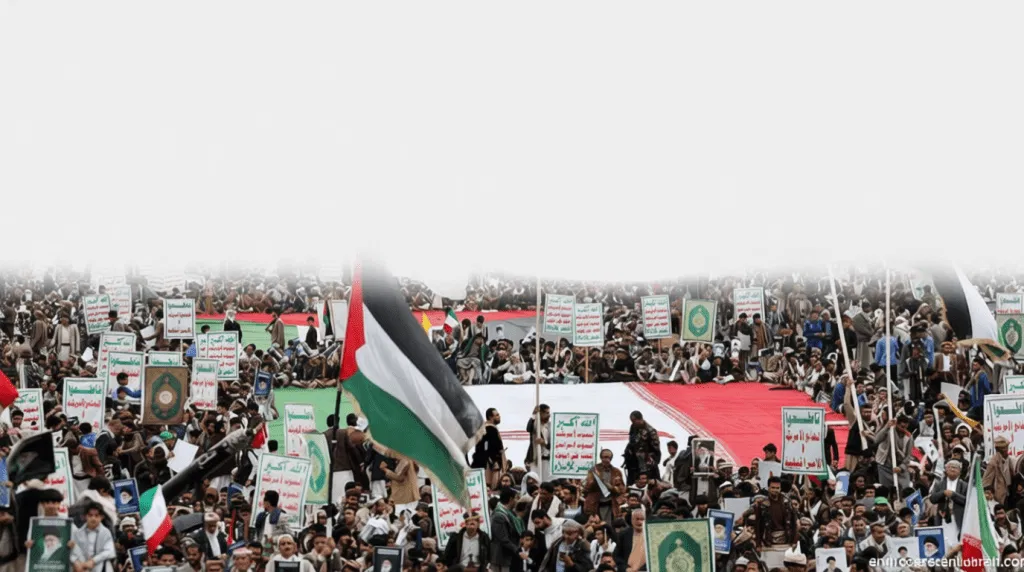
Houthi Militia’s Inaction in Iran War Linked to Domestic Concerns
Although the Iran-backed Houthi militia in Yemen has signaled potential involvement in the ongoing Iran conflict, it has not yet taken direct action. The question remains: why have they chosen to stay out?
“The Yemeni Houthi group has its finger on the trigger,” Abdullah Sabri, spokesperson for the Houthi-controlled Ministry of Foreign Affairs, emphasized earlier this week. “They will act if the war against Iran continues.”
Unlike the Iran-backed Lebanese Hezbollah, the Houthi militia has avoided active participation in the current war. This contrasts with their role in the Gaza conflict, where they engaged by targeting Israeli forces and international vessels in the Red Sea.
“The Houthis are not just restrained—they are nearly inactive,” Luca Nevola, a Gulf states analyst at US-based ACLED, remarked. “So far, there have been no military operations tied to the conflict, only symbolic backing for Iran.”
Nevola attributes this restraint to a calculated risk assessment. “Their potential losses outweigh the gains,” he explained. Meanwhile, Philipp Dienstbier, head of the Gulf States Regional Program at the German Konrad Adenauer Foundation, highlights a complex mix of motivations. “Multiple factors are at play,” he noted. “The Houthis may be delaying action to build up pressure later, such as through renewed strikes on Red Sea shipping or energy targets.”
Dienstbier also points to the shifting regional dynamics. Saudi Arabia, a key Iranian target, now holds significant influence in Yemen. Houthi involvement in the Iran war could undermine domestic political talks aimed at long-term stability. “The militia seems to want to avoid this risk,” he said. Internal tensions in northern Yemen, he adds, further necessitate caution.
“The Houthis operate with considerable autonomy,” Dienstbier stated. “Their decisions are not solely dictated by Tehran. They prioritize their own objectives, including enhancing drone capabilities.”
ACLED’s Nevola underscores the group’s weakened position. “The Houthis are less formidable than in 2023,” he said, citing US airstrikes, economic sanctions, and Israeli strikes on their leadership. A ceasefire with the US remains in place, and renewed talks with Saudi Arabia are underway. “Entering the war could disrupt these negotiations,” he warned. Avoiding escalation, he argues, might foster trust and open pathways for political agreements.
“At this point, the Houthis’ top concern is dodging immediate US and Israeli retaliation,” Nevola told Al Jazeera. “They fear Israeli intelligence operations and the risk of losing key leaders.”
Despite their current restraint, the Houthi group is viewed as unpredictable. Nevola notes that a future intervention in the Iran war remains possible, as conflicting interests persist. Dienstbier, too, acknowledges their military resilience. “They can still launch missiles and counter drones,” he said. “Their asymmetric tactics make containment challenging.”
While the Houthis have not yet mobilized, their strategic patience may shift if conditions change. Analysts suggest that their cautious stance reflects a balance between loyalty to Iran and the need to protect their own interests in Yemen’s volatile landscape.
