
Iran war: Why is the South Pars gas field so important?
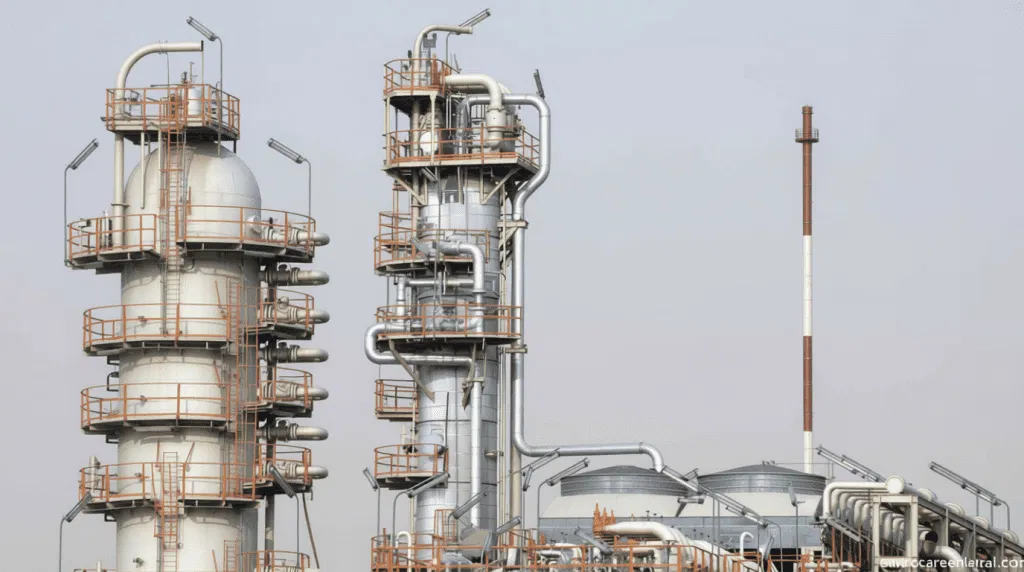
Iran War: Why is the South Pars Gas Field so Important?
The assault on Iran’s vital South Pars gas field has sent shockwaves through global energy markets, triggering concerns about escalating tensions and pushing oil prices to new heights. On March 18, Israeli forces launched an attack targeting onshore refinery units and gas storage tanks in Asaluyeh, as well as offshore installations linked to the critical energy resource. In response, Iran retaliated with missile and drone strikes on Saudi Arabia, the United Arab Emirates, and Qatar’s central energy hub, Ras Laffan Industrial City—the world’s largest liquified natural gas (LNG) export complex.
Ras Laffan, managed by QatarEnergy alongside ExxonMobil, TotalEnergies, and Shell, spans nearly 300 square kilometers. Damage to the site was described as “extensive” by the state-owned operator. This marked the first time a major fossil fuel production site had been struck since the war began on February 28. Prior to this, the US and Israel had deliberately avoided attacking Iranian infrastructure to prevent direct retaliation.
“I knew nothing about this particular attack,” stated President Donald Trump on Truth Social. “But Israel would not strike the gas field again without provocation.”
At the same time, Trump warned Iran that the US would “massively blow up the entirety of the South Pars Gas Field” with unprecedented force if the country attacked Qatar again. Both strikes signaled a sharp escalation in the regional conflict, destabilizing energy markets and raising alarms about potential further disruptions.
Strategic Significance of Shared Reserves
The South Pars gas field is part of a vast shared reservoir split by the Persian Gulf’s maritime boundary. On the opposite side lies Qatar’s North Dome field, also known as the Qatar North field. Together, these two formations constitute the world’s largest natural gas reserve, holding roughly one-third of global known deposits.
For Iran, the field is primarily a domestic asset. Due to Western sanctions, much of its gas is consumed locally, with exports mainly going to Iraq and Turkey. It accounts for about 70% of the country’s gas production and plays a major role in its economy when combined with oil. Any damage to this resource could lead to reduced output, worsened energy shortages, and increased power outages, despite Iran possessing the world’s second-largest proven natural gas reserves.
Qatar, however, faces global repercussions from an attack on the South Pars field. The Ras Laffan complex is a key player in the LNG trade, contributing roughly 20% of the world’s total. As the third-largest LNG exporter after the US and Australia, disruptions here could severely affect Asian markets. Additionally, the site produces helium—a byproduct crucial for semiconductor manufacturing and other industries.
Impact of Targeted Strikes
With the Strait of Hormuz blockade causing a major drop in Middle East oil and gas output, production facilities have managed to keep operating despite temporary shutdowns. But now that these sites are under direct attack, they may remain offline for extended periods due to repair costs and complexity. Recovery could take months or years, resulting in less supply for the global market.
Though Qatar has the financial capacity to manage repairs, Iran’s economy has been strained by years of sanctions. Analyst Jim Reid of Deutsche Bank highlighted the attack’s importance, noting it was “the first strike on their upstream facilities since the current war began.” The incident has already caused sharp spikes in natural gas and oil prices, underscoring its far-reaching economic implications.
