
10 Benefits of Environmental Education As a Student
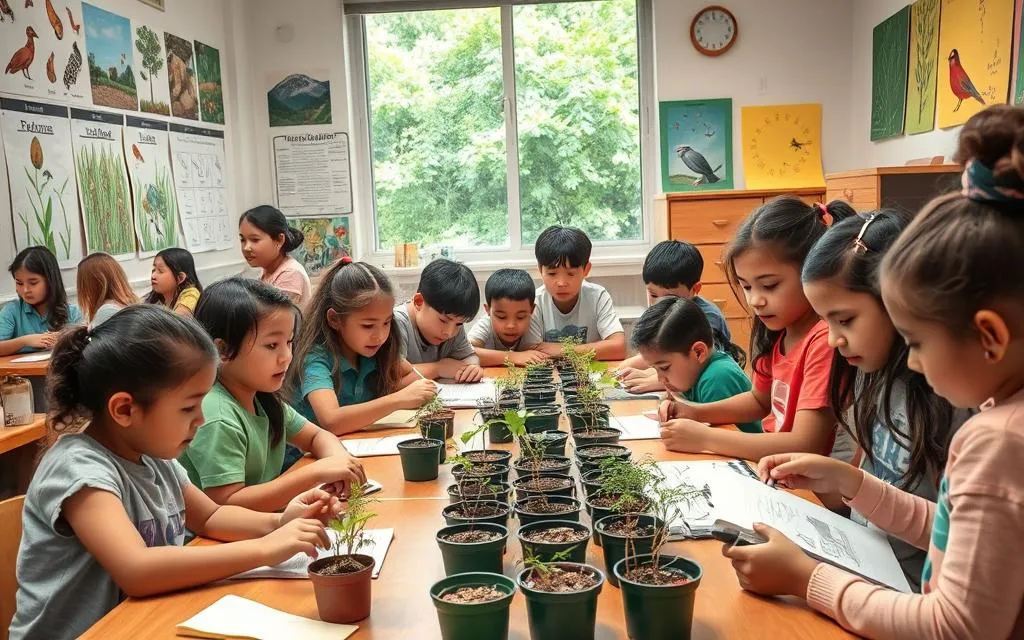
envirocarecentral – Discover 10 benefits of environmental education as a student, from boosting awareness to fostering sustainability and critical thinking skills.
As we look to the future, we wonder about the role of environmental education. It shapes the minds and actions of the next generation. Environmental education boosts academic performance and teaches students to care for the planet. It has 10 key benefits for students, impacting both individuals and society.
Environmental education goes beyond school, changing how we see the world and promoting green living. By looking at these 10 benefits, we understand its power. It gives students a new view of the world and motivates them to help create a better future.
Environmental education improves grades, boosts critical thinking, and teaches students to protect the environment. By exploring these 10 benefits, we aim for a brighter, greener future for everyone.
Understanding Environmental Education in Modern Academia
Environmental education is key in today’s schools. It teaches students to tackle environmental issues. This field mixes science, social studies, and humanities to show how humans and nature interact.
Learning about the environment helps students think critically and solve problems. It also encourages them to get involved in their communities. Key parts of environmental education include:
- Interdisciplinary approach, combining natural sciences, social sciences, and humanities
- Fostering critical thinking, problem-solving, and community engagement
- Addressing environmental challenges, such as sustainability, climate change, and biodiversity conservation
By focusing on environmental education, we can create a greener future. This way, we raise environmentally aware citizens.
Defining Environmental Education
Environmental education looks at how humans and nature are connected. It helps students understand the world and their role in it.
The Evolution of Green Learning
Green learning has changed over time. Now, it’s about more than just knowing facts. It’s about thinking critically, solving problems, and working together. This change is because we need people who can help make the world a better place.
Current Trends in Environmental Studies
Today, environmental studies focus on big issues like sustainability and climate change. These topics show why environmental education is so important. They highlight the value of learning about the environment in a way that involves the whole community.
Developing Critical Thinking Through Nature-Based Learning
Nature-based learning is a great way to improve critical thinking in students. It lets them explore and learn from the natural world. This hands-on approach helps them think deeply about how our actions affect the environment.
Some benefits of nature-based learning include:
- Improved critical thinking skills
- Enhanced creativity and problem-solving abilities
- Increased environmental awareness and stewardship
We think nature-based learning experiences, like field trips and outdoor classrooms, spark curiosity. They help students feel a sense of wonder and responsibility. This lays the groundwork for a lifelong commitment to caring for the environment.
Through nature-based learning, students gain a deeper understanding of our connection to nature. They learn the skills needed to tackle big environmental challenges. By teaching critical thinking in environmental education, we prepare a new generation of leaders for a sustainable future.
The 10 Benefits of Environmental Education As a Student: A Comprehensive Overview
We think environmental education is key for students. It boosts their grades and gets them ready for jobs. Let’s dive into the main perks of learning about the environment.
When students learn about the environment, they do better in school. They get to use what they learn to solve real problems. This makes school more fun, interactive, and helps them do better.
Academic Performance Enhancement
Some big pluses of environmental education for students are:
- Improved critical thinking and problem-solving skills
- Enhanced creativity and innovation
- Better understanding of complex environmental issues
Career Preparation Advantages
Environmental education also helps students get ready for their future jobs. Some benefits include:
- Development of skills in sustainability and conservation
- Understanding of environmental management and policy
- Preparation for careers in environmental fields, such as science, policy, and education
Personal Growth Opportunities
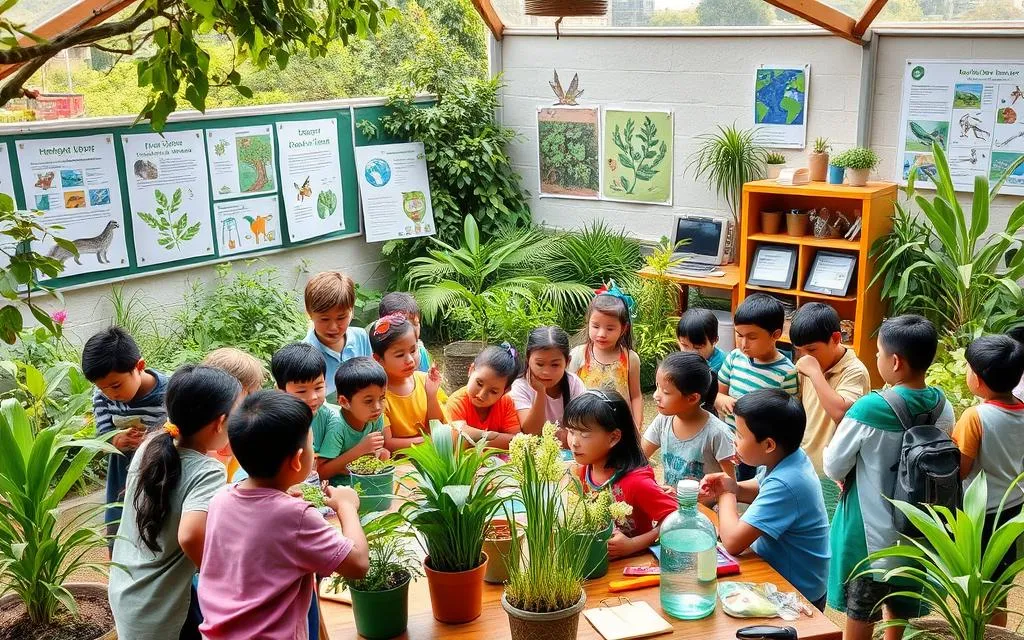
Learning about the environment also helps students grow personally. Some ways it does this are:
| Benefit | Description |
|---|---|
| Self-awareness | Understanding of one’s values and beliefs |
| Empathy | Ability to understand and appreciate different perspectives |
| Sense of purpose | Clear direction and motivation for creating positive change |
Environmental education gives students many benefits. It affects their school work, future jobs, and personal growth. This helps make a better future for everyone.
Building Real-World Problem-Solving Skills
We know how key problem-solving skills are in environmental education. They help students face big challenges. By using hands-on methods like project-based learning, students can use what they learn to solve real problems. This boosts their creativity, innovation, and critical thinking.
Some great ways to improve problem-solving skills in environmental education include:
- Project-based learning: letting students work on real projects about environmental issues
- Service-learning: getting students involved in community service that helps the environment
- Case studies: looking at real examples of environmental problems and solutions
These methods help students learn to think critically, be creative, and work together. These skills are crucial for solving environmental problems. By teaching problem-solving in environmental education, we prepare students to positively impact the environment and support sustainable growth.
Practical Application Methods
Practical methods are key for developing problem-solving skills in environmental education. By applying what they learn to real problems, students gain a deeper understanding of environmental issues. They also come up with new solutions.
Case Studies and Success Stories
Case studies and success stories in environmental education projects can really inspire students. By looking at real examples of environmental challenges and solutions, students learn about the complexity of these issues. They see why sustainable development is so important.
| Project | Location | Impact |
|---|---|---|
| Renewable Energy Project | California, USA | Reduced carbon emissions by 20% |
| Sustainable Agriculture Project | Illinois, USA | Increased crop yields by 15% |
| Waste Management Project | New York, USA | Reduced waste by 30% |
Fostering Environmental Stewardship and Responsibility
We understand how important environmental education is. It shapes the next leaders who care about the planet. By adding it to school lessons, we teach kids to live green and help the environment.
Here are some ways to teach kids to care for the earth:
- Encourage them to explore nature and learn outdoors.
- Make environmental lessons part of science and social studies classes.
- Give them chances to help with environmental projects in their community.
By focusing on environmental education, we teach kids to protect our planet. This helps make a better world for everyone in the future.
We want to motivate students to protect the environment. Together, we can make a brighter, greener future for all.
Enhancing Social and Emotional Learning Through Environmental Studies
Social and emotional learning is key in environmental education. It helps students develop important life skills. By studying the environment, students learn to be empathetic and aware of their community. This learning is crucial for a sustainable future.
Some key benefits of social and emotional learning in environmental education include:
- Developing leadership skills through collaborative projects and initiatives
- Improving communication abilities by working with peers and community members to address environmental issues
- Fostering a sense of community and social responsibility by promoting empathy and understanding
Exploring social and emotional learning in environmental education shows its positive effects. By adding environmental studies to the curriculum, we empower students. They become active in making our future sustainable.

Environmental education helps students understand how humans and nature are connected. This leads to more empathy and awareness. Working together on environmental issues, students build strong relationships. This drives positive change.
| Benefits | Description |
|---|---|
| Empathy and Community Awareness | Developing an understanding of the impact of human actions on the environment and the community |
| Leadership Skills | Cultivating the ability to lead and participate in environmental initiatives and projects |
| Communication Abilities | Improving the ability to effectively communicate with peers and community members about environmental issues |
Creating Sustainable Future Leaders
We think environmental education can make future leaders who know how to tackle today’s environmental issues. By teaching students about the environment, we can inspire a new generation. They will care about sustainability, social justice, and protecting our planet.
These leaders will be able to make smart choices, innovate, and push for policies that help our planet. Key traits of these leaders include:
- Strong understanding of environmental education and leadership
- Ability to think critically and solve complex problems
- Effective communication and collaboration skills
- Commitment to sustainability and social justice
By teaching these traits, we can prepare a new generation to face the environmental challenges of the 21st century. This is done through environmental education and leadership programs. These programs give students the knowledge, skills, and values they need to succeed.
Organizations like the National Wildlife Federation and the Sierra Club are working on this. They offer programs that help students become sustainable future leaders. These programs teach them the knowledge, skills, and values needed to succeed.
| Organization | Program | Description |
|---|---|---|
| National Wildlife Federation | Environmental Education Program | Provides environmental education programs for students of all ages |
| Sierra Club | Leadership Development Program | Provides leadership development programs for students and young adults |
Connecting Scientific Theory with Practical Experience
We think environmental education should link scientific ideas with real-world experiences. This way, students can use what they learn in class to solve real problems. By doing lab and field work, students get to see environmental concepts in action.
This method lets students dive deep into environmental issues. They can collect and study data, and come up with solutions based on evidence. It’s key to get ready for the big environmental challenges we’re facing.
Key Benefits of Laboratory and Field Work Integration
- Enhanced understanding of environmental concepts and principles
- Development of practical skills in data collection and analysis
- Opportunities for hands-on experience in real-world settings
By offering lab and field work, we help students grasp environmental issues better. They learn to be part of the solution. This mix of theory and practice is vital for raising a new generation of environmental leaders.
Embracing Environmental Education for a Better Tomorrow
Reflecting on environmental education shows its importance. Embracing environmental education is key for a better future. It gives students the tools to tackle today’s environmental issues.
In conclusion, environmental education has many benefits. It boosts academic performance and critical thinking. It also teaches environmental stewardship and responsibility. Together, we can make a sustainable, just, and thriving planet for the future.
By embracing environmental education, we motivate students to help create a better tomorrow. It’s crucial to keep environmental education a priority. This way, future generations will be ready for the world’s changes.
Want to learn more about environmental education? Explore insights and resources at envirocarecentral.com and take action today!
FAQ
What are the benefits of environmental education for students?
Environmental education boosts students’ grades and prepares them for careers. It helps them grow personally and develop important skills. It makes them curious and responsible, setting them up for a life of caring for the planet.
How does environmental education enhance academic performance?
It makes learning fun and interactive. Students learn by doing, not just reading. This way, they understand environmental topics better and do well in school.
What role does environmental education play in fostering environmental stewardship and responsibility?
It teaches students about the world’s connection to nature. This makes them appreciate and want to protect the environment. It encourages them to live sustainably and help in conservation efforts.
How can environmental education develop critical thinking and problem-solving skills in students?
It teaches students to solve real-world problems. Through projects and service-learning, they apply what they learn. This builds their creativity and critical thinking skills.
What is the importance of connecting scientific theory with practical experience in environmental education?
It lets students apply what they learn to real issues. Hands-on experiences and research help them understand and solve environmental problems. This way, they gain practical knowledge.
How can environmental education enhance social and emotional learning in students?
It helps students develop empathy and leadership. They learn to work together and communicate effectively. This builds strong relationships and prepares them for change.
What is the role of environmental education in creating sustainable future leaders?
It prepares leaders who care about the environment and social justice. Students learn to make informed decisions and drive innovation. They become leaders who protect our planet.
How can environmental education promote nature-based learning and outdoor education?
It offers hands-on experiences in nature. Field trips and outdoor classrooms spark curiosity and responsibility. This prepares students for a life of caring for the environment.
What are some of the current trends in environmental education?
Trends focus on sustainability, climate change, and biodiversity. Environmental education is becoming more interdisciplinary. It combines sciences and humanities to understand our world.
