
A Beginner’s Guide: Steps to Achieve Zero Waste Living
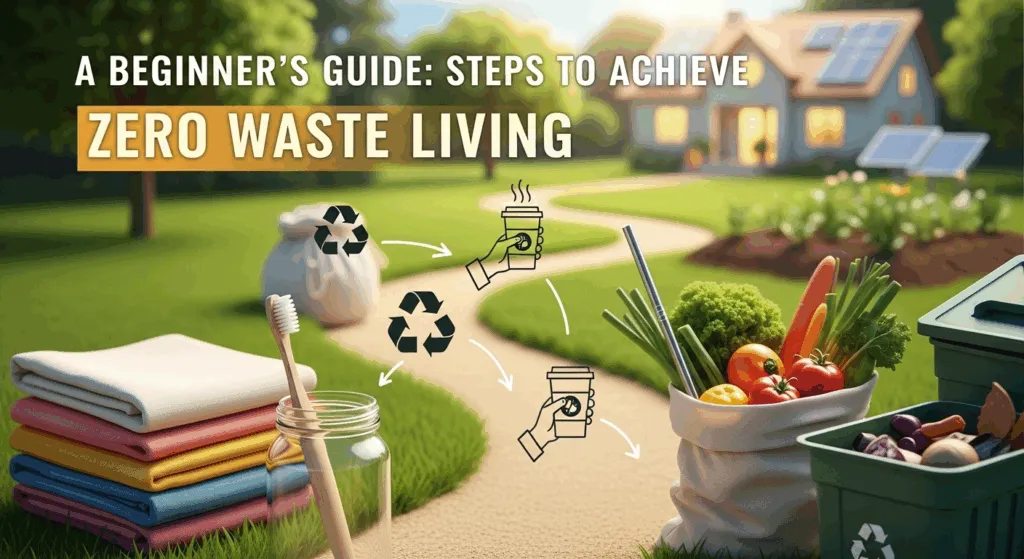
Embarking on a journey towards a more sustainable lifestyle can feel both inspiring and overwhelming. You see images of people fitting a year's worth of trash into a single mason jar and wonder, "Could I ever do that?" The good news is that zero waste living isn't about achieving immediate perfection. It's a gradual process, a conscious shift in mindset and habits aimed at drastically reducing what you send to the landfill. It’s about making intentional choices that honor our planet's finite resources. This journey is accessible to everyone, regardless of where you live or what your budget is. Embarking on this path can feel daunting, but this guide will provide clear, actionable steps to achieve zero waste living, transforming a seemingly impossible goal into a series of manageable actions.
A Beginner's Guide: Steps to Achieve Zero Waste Living
Understanding the Core Philosophy of Zero Waste
Before diving into the practical steps, it's crucial to understand what zero waste living truly means—and what it doesn't. At its heart, zero waste is a philosophy and a design principle aimed at preventing waste from being created in the first place. It challenges the linear "take-make-dispose" model of consumption that has become the norm in modern society. Instead, it promotes a circular system where resources are respected, reused, and returned safely to the environment, much like a natural ecosystem where nothing is wasted.
The term "zero waste" can be intimidating. It conjures images of absolute purity, which is an unrealistic standard for most people living in a consumer-driven world. It's vital to reframe this goal. Think of it as a direction, not a destination. A more helpful mantra, popularized by zero waste chef Anne-Marie Bonneau (The Zero-Waste Chef), is: "We don't need a handful of people doing zero waste perfectly. We need millions of people doing it imperfectly." This perspective removes the pressure of perfection and empowers you to start making small, impactful changes today. The journey is about conscious consumption, reducing your environmental footprint one decision at a time, and celebrating progress along the way.
Ultimately, adopting a zero waste lifestyle is about shifting your perspective from being a passive consumer to an active, conscious participant in the product lifecycle. It means asking critical questions before you buy: Do I really need this? Where did it come from? What will happen to it when I'm done with it? This mindful approach naturally leads to less clutter, more savings, and a deeper connection to the items you own and the environment you inhabit. It's a powerful way to vote with your wallet and signal to corporations that there is a growing demand for sustainable, thoughtfully designed products.
The 5 R's: Your Foundational Framework
The zero waste movement is elegantly summarized by a hierarchy of principles known as the "5 R's." This framework, popularized by Bea Johnson in her book Zero Waste Home, provides a clear order of operations for minimizing your waste. Approaching decisions with this hierarchy in mind is one of the most fundamental steps to achieve zero waste living successfully. Instead of jumping straight to recycling, you start at the top with the most effective action.
The 5 R's are:
- Refuse what you do not need.
- Reduce what you do need.
- Reuse what you consume.
- Recycle what you cannot refuse, reduce, or reuse.
- Rot (compost) the rest.
By following these principles in order, you systematically tackle waste at its source. Refusing and reducing are the most powerful actions because they prevent waste from ever entering your home. Reusing extends the life of items, saving resources and money. Recycling and composting are last resorts for items that have already been acquired, serving as a way to responsibly manage what little waste is left.
Refuse: The Most Powerful Step
The first and most effective principle in the zero waste hierarchy is to refuse. This is your front line of defense against waste. It means learning to politely say "no" to things you don't need, particularly single-use disposables and freebies that are designed to be thrown away after a short time. This simple act of refusal sends a powerful market signal and prevents clutter and waste from accumulating in your life before it even starts.
Applying this principle can be as simple as saying "No, thank you" to a plastic straw at a restaurant, refusing a plastic bag for a single item you can easily carry, or declining a promotional pen at a conference. It extends to junk mail (you can opt-out of most of it), flyers, and complimentary items that provide little value. Mastering the art of refusal requires a bit of forethought and practice, but it quickly becomes a powerful and empowering habit that significantly reduces your trash output.
Reduce: Conscious and Mindful Consumption
After refusing what you don't need, the next step is to reduce what you do need. This principle is about mindful consumption and questioning your purchasing habits. It involves taking stock of what you truly require for a happy and functional life versus what you are conditioned to want by advertising and societal pressures. Reducing consumption is not about deprivation; it's about intentionality and appreciating a "less is more" mindset.
To put this into practice, start by evaluating your purchasing patterns. Before buying something new, ask yourself if you can borrow it, rent it, or simply live without it. This applies to everything from clothing and electronics to kitchen gadgets and home decor. When you do need to purchase something, opt for quality over quantity. A well-made, durable item may have a higher upfront cost but will last longer, ultimately saving you money and preventing the waste associated with replacing cheap, disposable alternatives.
Reuse: Giving Items a Second (or Third, or Fourth) Life
The principle of reuse is where creativity and resourcefulness truly shine. It’s about shifting away from a "disposable" culture and embracing items that can be used over and over again. This involves both choosing reusable products over single-use ones and finding new purposes for items you already own. By extending the life of products and materials, you conserve the energy and resources that would have been used to create new ones.
Simple reusable swaps are an excellent starting point. This includes:
- Carrying a reusable water bottle and coffee cup.
- Bringing reusable shopping bags and produce bags to the store.
- Using cloth napkins instead of paper ones.
- Storing leftovers in glass containers instead of wrapping them in plastic film.
Beyond these swaps, reuse also means repairing items instead of replacing them, repurposing glass jars for storage, and buying secondhand whenever possible. Thrifting for clothes, furniture, and other household goods is not only economical but also one of the most sustainable ways to shop, as it gives existing items a new life and diverts them from the landfill.
Recycle: The Last Resort for Disposables
Contrary to popular belief, recycling is not the ultimate solution to our waste problem; it's a last resort after you've exhausted the options to refuse, reduce, and reuse. The recycling process itself requires a significant amount of energy and resources. Furthermore, not everything with a recycling symbol on it is actually recyclable in your local area, a practice known as wishcycling. It's crucial to recycle correctly.
To be an effective recycler, you must first understand your local municipality's recycling guidelines. These rules can vary drastically from one city to another. Check your local government's website for a detailed list of what materials are accepted and how they should be prepared (e.g., rinsed, lids on or off). Prioritize purchasing items packaged in materials that are easily and widely recycled in your area, such as aluminum, glass, and certain types of plastic (typically #1 and #2). By treating recycling as a final, carefully considered option, you ensure the system works as intended.
Rot: Turning Scraps into a Resource
The final 'R' stands for rot, which refers to composting organic waste. Food scraps and yard trimmings make up a significant portion of household trash—by some estimates, over 30%. When this organic material is sent to a landfill, it is buried and decomposes anaerobically (without oxygen), releasing methane, a potent greenhouse gas that is far more damaging to the climate than carbon dioxide. Composting is the solution.
Composting is the natural process of recycling organic matter into a nutrient-rich soil amendment called compost. It’s nature’s way of closing the loop. You don't need a large backyard to do it; there are many options for composting, including small countertop bins for bokashi, indoor worm bins (vermicomposting), or outdoor tumblers. If home composting isn't an option, look for a local community garden or a municipal curbside compost collection program. By composting, you not only divert a huge amount of waste from the landfill but also create a valuable resource that can be used to enrich garden soil.
Your First Practical Steps: Starting in the Kitchen
The kitchen is often called the heart of the home, but it's also frequently the biggest source of household waste. From food packaging to disposable cleaning supplies, the opportunities for waste generation are endless. Because of this, the kitchen is also the perfect place to begin your zero waste journey. The changes you make here can have a massive and immediate impact, providing the motivation you need to continue.

Start by conducting a simple "trash audit." For one week, pay close attention to what you're throwing away in your kitchen bin. Is it mostly food scraps? Plastic packaging from snacks and produce? Paper towels? Identifying your main sources of waste is the first step toward finding targeted solutions. You might be surprised to see how much of your trash is made up of just a few key items.
Once you know what you're dealing with, you can begin implementing simple swaps. Instead of buying produce wrapped in plastic, bring reusable mesh bags to the grocery store or farmers' market. Swap paper towels for a set of reusable cloth towels or "unpaper" towels. Ditch plastic wrap and Ziploc bags in favor of beeswax wraps, silicone food covers, or simply storing leftovers in glass jars and containers you already have. These small changes add up quickly and build the foundation for a less wasteful kitchen.
Expanding Your Zero Waste Habits Room by Room
Once you've gained confidence in the kitchen, you can start applying zero waste principles to other areas of your home. Taking a room-by-room approach makes the process feel structured and less overwhelming. Each room presents unique challenges and opportunities for waste reduction, from personal care products in the bathroom to shopping habits.
Tackling one area at a time allows you to focus your energy and resources. You can research and implement a few key swaps and build new habits before moving on to the next space. This methodical approach ensures that the changes you make are sustainable in the long term. Remember, the goal is to build a lifestyle, not to overhaul your entire home overnight.
Zero Waste in the Bathroom
The bathroom is another major culprit for single-use plastic waste. Think about it: shampoo and conditioner bottles, liquid soap dispensers, toothpaste tubes, disposable razors, and a myriad of other products come in plastic packaging designed to be thrown away. The good news is that there are fantastic and effective zero waste alternatives for nearly every personal care product.
Start by using up what you already have—throwing away a half-full bottle of shampoo is not zero waste. Once it's empty, consider a swap.
- Soap: Switch from liquid body wash in a plastic bottle to a package-free bar of soap.
- Hair Care: Try shampoo and conditioner bars. They work wonderfully and eliminate plastic bottle waste entirely.
- Oral Hygiene: Opt for a bamboo toothbrush, which has a compostable handle. You can also find toothpaste tablets or tooth powder in refillable glass jars.
- Shaving: Invest in a stainless steel safety razor. The initial cost is higher, but the replacement blades are incredibly cheap and fully recyclable, saving you money and a lot of plastic in the long run.
Zero Waste for Shopping and Errands
Your impact extends far beyond the walls of your home. Your shopping habits are one of the most critical areas to address. The key is to be prepared. Create a "zero waste to-go kit" and keep it in your car or by your front door so you never leave home without it. This simple preparation makes refusing single-use items effortless.
Your kit should include the essentials: a few reusable shopping bags, several smaller reusable produce bags for loose items like greens and vegetables, a reusable water bottle, and a reusable coffee cup if you're a regular coffee drinker. You might also add a container for potential leftovers when eating out and a set of reusable cutlery. Having these items on hand empowers you to refuse disposables and actively participate in building a more sustainable, circular economy every time you shop or run an errand.
Building Lasting Habits and Staying Motivated
The journey to zero waste is a marathon, not a sprint. There will be times when you forget your reusable bags, find yourself in a situation with only disposable options, or feel discouraged by the scale of the world's waste problem. This is normal and perfectly okay. The most important thing is to avoid the "all or nothing" mindset. Progress, not perfection, is the goal.
To stay motivated, focus on your "why." Why did you start this journey? Was it to protect wildlife, fight climate change, save money, or simplify your life? Keep that reason at the forefront of your mind. Find a community, whether online through social media groups or locally. Sharing your successes and challenges with like-minded people can provide invaluable support and inspiration. Finally, celebrate your wins, no matter how small. Every time you refuse a straw or compost your food scraps, you are making a positive difference.
| Common Disposable Item | Zero Waste Alternative | Long-Term Impact |
|---|---|---|
| Plastic Water Bottles | Reusable Stainless Steel/Glass Bottle | Saves money, reduces plastic pollution. |
| Disposable Coffee Cups | Reusable Insulated Travel Mug | Prevents plastic-lined paper cup waste. |
| Plastic Shopping Bags | Reusable Canvas/Cloth Totes | Reduces plastic bag pollution in oceans. |
| Plastic Produce Bags | Reusable Mesh Produce Bags | Eliminates thin, hard-to-recycle plastic. |
| Paper Towels | Cloth Towels or "Unpaper" Towels | Reduces paper waste and deforestation. |
| Plastic Straws | Stainless Steel/Glass/Bamboo Straw or No Straw | Protects marine life from plastic ingestion. |
| Liquid Soap Dispenser | Bar Soap (package-free) | Eliminates plastic bottle and pump waste. |
| Disposable Razors | Safety Razor | Huge long-term cost savings, no plastic waste. |
—
Frequently Asked Questions (FAQ)
Q: Is starting a zero waste lifestyle expensive?
A: While some zero waste swaps have a higher upfront cost (like a safety razor or a quality water bottle), they save you a significant amount of money in the long run. You'll no longer be constantly buying disposable items like paper towels, plastic bags, or razor cartridges. You can also start by simply reusing what you already have (like glass jars for storage), which costs nothing. Shopping secondhand and consuming less overall are also core tenets of the lifestyle that lead to major savings.
Q: What do I do if my family or friends are not on board with my zero waste efforts?
A: The best approach is to lead by example rather than by preaching. Focus on your own actions and choices. When others see the positive benefits in your life—less clutter, more money saved, delicious meals made from scratch—they may naturally become curious. Share your journey in a positive, non-judgmental way. You can say things like, "I'm trying this new shampoo bar to reduce plastic, and I love it!" instead of "You should stop buying plastic bottles." Your consistent, positive actions will speak louder than words.
Q: I feel overwhelmed. What is the single most impactful first step I can take?
A: If you're feeling overwhelmed, focus on one of two areas for the biggest impact. The first is tackling food waste by starting a composting system. This diverts a huge volume of waste from landfills and reduces methane emissions. The second is to master the first 'R': Refuse. Focus solely on refusing the "Big Four" polluters: plastic bags, plastic water bottles, disposable coffee cups, and plastic straws. Nail this habit, and you will have made a massive dent in your personal plastic footprint and built the confidence to tackle more.
Conclusion
Achieving a zero waste lifestyle is not about depriving yourself or striving for an impossible standard of perfection. It is a mindful and empowering journey of making small, intentional choices that collectively create a profound positive impact on our planet and your own well-being. By embracing the 5 R's—Refuse, Reduce, Reuse, Recycle, and Rot—you gain a clear framework for navigating a consumer-driven world more sustainably.
Start small, focus on one room or one habit at a time, and be kind to yourself along the way. Every plastic bag refused, every bottle refilled, and every food scrap composted is a victory. These individual actions, when multiplied by millions, have the power to reshape our culture from one of disposability to one of respect and resourcefulness. The steps to achieve zero waste living are a path toward a cleaner, healthier, and more intentional life. Your journey starts today, with a single, conscious choice.
***
Article Summary
This article, "A Beginner's Guide: Steps to Achieve Zero Waste Living," serves as a comprehensive and encouraging guide for individuals looking to reduce their environmental impact. It defines the zero waste philosophy not as a pursuit of perfection, but as a journey of progress focused on minimizing what we send to landfills.
The core of the guide is structured around the 5 R's: Refuse, Reduce, Reuse, Recycle, and Rot. It explains each principle in detail, providing actionable advice and practical examples. The article advocates for starting with the most impactful steps, such as refusing single-use items, before moving to recycling and composting.
To make the process manageable, the guide suggests a room-by-room approach, offering specific swaps for the kitchen and bathroom—two major sources of household waste. It also emphasizes the importance of preparation for sustainable shopping and errands. The article includes a helpful table comparing common disposable items to their zero waste alternatives and addresses common challenges and questions in a dedicated FAQ section. The overarching message is one of empowerment, urging readers to focus on consistent, imperfect action over idealistic perfection to create lasting, positive change.
