
Benefits of Renewable Energy Sources You Should Know
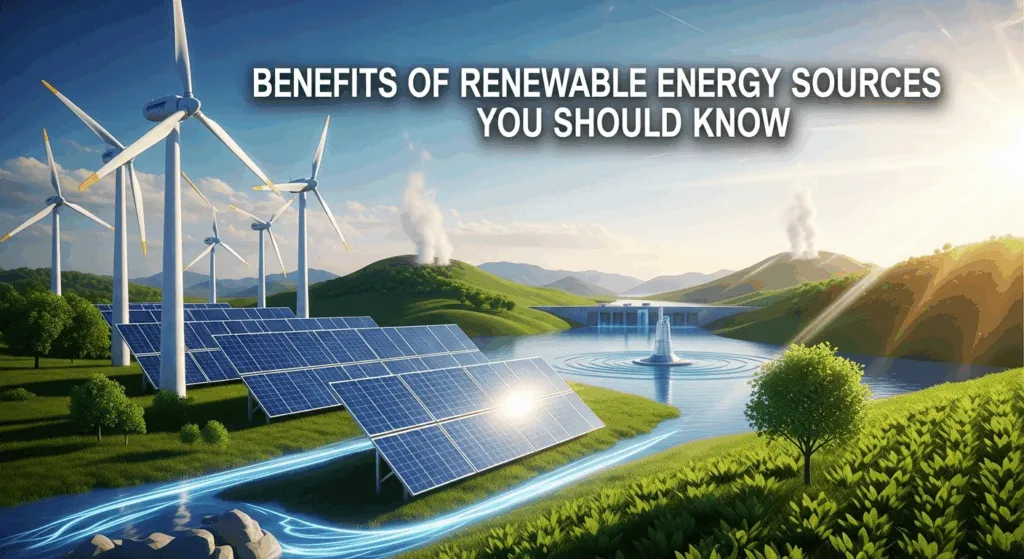
As our world grapples with the urgent challenges of climate change and environmental degradation, the conversation around our energy sources has never been more critical. For decades, humanity has relied heavily on fossil fuels—coal, oil, and natural gas—to power homes, industries, and transportation. While these sources have fueled incredible progress, their environmental cost is now undeniable, pushing us towards a cleaner, more sustainable alternative. This is where renewable energy enters the picture, not just as a possible substitute, but as a superior solution for a resilient future. In this comprehensive guide, we will explore the multifaceted benefits of using renewable energy sources, from environmental protection and economic prosperity to enhanced global security and public health.
Unpacking the Environmental Advantages of Clean Energy
The most widely discussed and significant benefit of transitioning to renewable energy is its profoundly positive impact on the environment. Unlike fossil fuels, which release vast amounts of greenhouse gases (GHGs) when burned, most renewable energy sources generate power with little to no emissions. This fundamental difference is at the core of the global effort to combat climate change. By harnessing natural processes—the power of the sun, the force of the wind, and the heat from the earth's core—we can produce the energy we need without polluting the atmosphere that sustains us. This shift is not just about reducing our carbon footprint; it's about fundamentally healing our planet's ecosystems.
The environmental benefits extend far beyond just climate change mitigation. The extraction and combustion of fossil fuels are major sources of air and water pollution. Pollutants like sulfur dioxide (SO2), nitrogen oxides (NOx), and particulate matter (PM2.5) are released into the air, leading to acid rain, smog, and severe respiratory illnesses. Furthermore, oil spills and runoff from coal mines contaminate waterways, devastating aquatic life and threatening human water supplies. Renewable energy technologies, by their very nature, sidestep these destructive processes. A wind turbine or a solar panel does not pollute the air or water during operation, leading to cleaner communities and healthier populations.
Conserving our planet's finite natural resources is another critical environmental advantage. The fossil fuel industry relies on a destructive cycle of extraction, which often involves large-scale mining, drilling, and fracking. These activities can lead to deforestation, habitat loss, soil erosion, and the permanent alteration of landscapes. Renewable energy, in contrast, taps into sources that are inexhaustible. The sun will continue to shine and the wind will continue to blow, regardless of how much energy we harness from them. By moving away from an extractive energy model, we preserve our natural landscapes for future generations and protect the biodiversity that depends on them.
Combating Climate Change Head-On
The scientific consensus is clear: the burning of fossil fuels is the primary driver of modern climate change. When coal, oil, or gas is burned, it releases carbon dioxide (CO2) and other greenhouse gases into the atmosphere. These gases trap heat, leading to a gradual increase in global temperatures, a phenomenon known as the greenhouse effect. The consequences are already visible, from more extreme weather events and rising sea levels to disruptions in agriculture. International accords, such as the Paris Agreement, underscore the global urgency to drastically cut these emissions.
Renewable energy sources are our most powerful tool in this fight. Solar panels convert sunlight directly into electricity without any emissions. Wind turbines capture kinetic energy from the wind, again, producing zero carbon dioxide. By replacing fossil fuel-powered plants with renewable energy installations, we can directly and significantly reduce the amount of GHGs entering the atmosphere. This action is not a minor adjustment but a critical intervention to slow the rate of global warming, stabilize our climate, and prevent the most catastrophic impacts of climate change. Each megawatt of clean energy added to the grid is a direct step towards a more sustainable and safer planetary future.
Improving Air and Water Quality for All
The public health crisis caused by air pollution is a silent epidemic. The World Health Organization (WHO) estimates that millions of premature deaths each year are linked to exposure to air pollutants, a vast majority of which stem from the combustion of fossil fuels. Pollutants like fine particulate matter can penetrate deep into the lungs and bloodstream, causing a range of health problems, including asthma, lung cancer, heart disease, and strokes. Children and the elderly are particularly vulnerable to these effects. This pollution creates a significant burden on public healthcare systems and reduces the overall quality of life in many urban and industrial areas.
The widespread adoption of renewable energy offers a direct and effective solution to this problem. Because solar, wind, and geothermal energy do not involve combustion, they do not release these harmful pollutants. A community powered by a solar farm instead of a coal plant will experience demonstrably cleaner air, leading to fewer respiratory ailments and a healthier population. Similarly, by eliminating the risk of oil spills from tankers or pipeline leaks and preventing acid runoff from coal mining, renewables protect our precious water resources from contamination. This shift represents a massive public health victory, saving lives and reducing healthcare costs for societies around the world.
The Powerful Economic Benefits of the Green Transition
While the environmental case for renewables is compelling, the economic arguments are equally powerful and are increasingly driving the global energy transition. For too long, a false narrative has pitted economic growth against environmental protection. Today, it is clear that renewable energy is not an economic burden but a massive economic opportunity. The sector is a major engine for job creation, a driver of technological innovation, and a pathway to long-term energy price stability. Investing in clean energy is no longer just an environmental decision; it is a smart economic strategy.
One of the most significant economic benefits is the stabilization of energy costs. The price of fossil fuels is notoriously volatile, subject to unpredictable geopolitical events, supply chain disruptions, and the whims of international markets. A conflict in one part of the world can cause gasoline and electricity prices to spike globally. Renewable energy, however, decouples energy costs from these volatile commodities. While there is an upfront investment in building a solar or wind farm, the "fuel"—sunlight and wind—is free and abundant. This leads to predictable, stable, and often lower long-term energy costs for consumers and businesses, allowing for better financial planning and economic security.
Furthermore, the renewable energy industry stimulates local economies in ways that the centralized fossil fuel model cannot. Wind farms can provide a steady stream of income for farmers and rural landowners who lease their land for turbines, supplementing agricultural revenue. Decentralized solar projects, such as rooftop installations, empower individuals and communities to generate their own power, reducing their reliance on large utilities and keeping energy dollars within the local economy. This decentralization fosters economic resilience and promotes a more equitable distribution of the benefits of energy production.
Fueling Job Creation and Economic Growth
The transition to a clean energy economy is a powerful engine for job creation. Unlike the highly automated and centralized fossil fuel industry, the renewable energy sector generates a wide range of jobs across various skill levels. These jobs span the entire value chain, from research and development (R&D) and manufacturing of components like solar panels and turbine blades, to on-site construction, installation, and project management. Moreover, the sector requires a long-term workforce for operations, maintenance, and grid modernization.
According to the International Renewable Energy Agency (IRENA), the renewable energy sector employed over 13.7 million people worldwide in 2022, a number that is projected to grow significantly in the coming years. These are not just temporary construction jobs; they are sustainable, long-term careers in a growing industry. The sector needs engineers, technicians, electricians, data analysts, urban planners, and policy experts. By investing in renewable energy infrastructure, countries are not just building power plants; they are building a robust, 21st-century workforce and fostering innovation that can be exported globally.
Achieving Energy Price Stability and Affordability
The economic case for renewables is significantly strengthened by their falling costs and ability to provide price stability. For decades, fossil fuels were considered the cheapest energy source, but this is no longer the case. Thanks to technological advancements, economies of scale, and supportive policies, the cost of generating electricity from solar and wind has plummeted. In many parts of the world, building a new solar or wind farm is now cheaper than continuing to operate an existing coal or gas plant. This concept, known as the Levelized Cost of Energy (LCOE), demonstrates the financial viability of renewables.
This shift has profound implications for consumers and industries. Businesses that rely on predictable energy costs to remain competitive can benefit greatly from long-term power purchase agreements (PPAs) with renewable energy providers at a fixed, low rate. This shields them from the price shocks common in fossil fuel markets. For households, a greater share of renewables on the grid means more stable electricity bills and protection from sudden price hikes. As battery storage technology continues to improve and fall in cost, the ability of renewables to provide reliable and affordable power, even when the sun isn't shining or the wind isn't blowing, will only grow stronger.
Enhancing Energy Security and Independence
A nation's energy supply is a cornerstone of its national security. Dependence on imported fossil fuels creates significant vulnerabilities, tying a country's economic and political stability to the volatile geopolitics of energy-exporting nations. Price manipulation, supply disruptions, and political disputes can be weaponized, putting importing countries at a strategic disadvantage. The reliance on a few key global chokepoints for shipping oil and gas further adds to this insecurity.
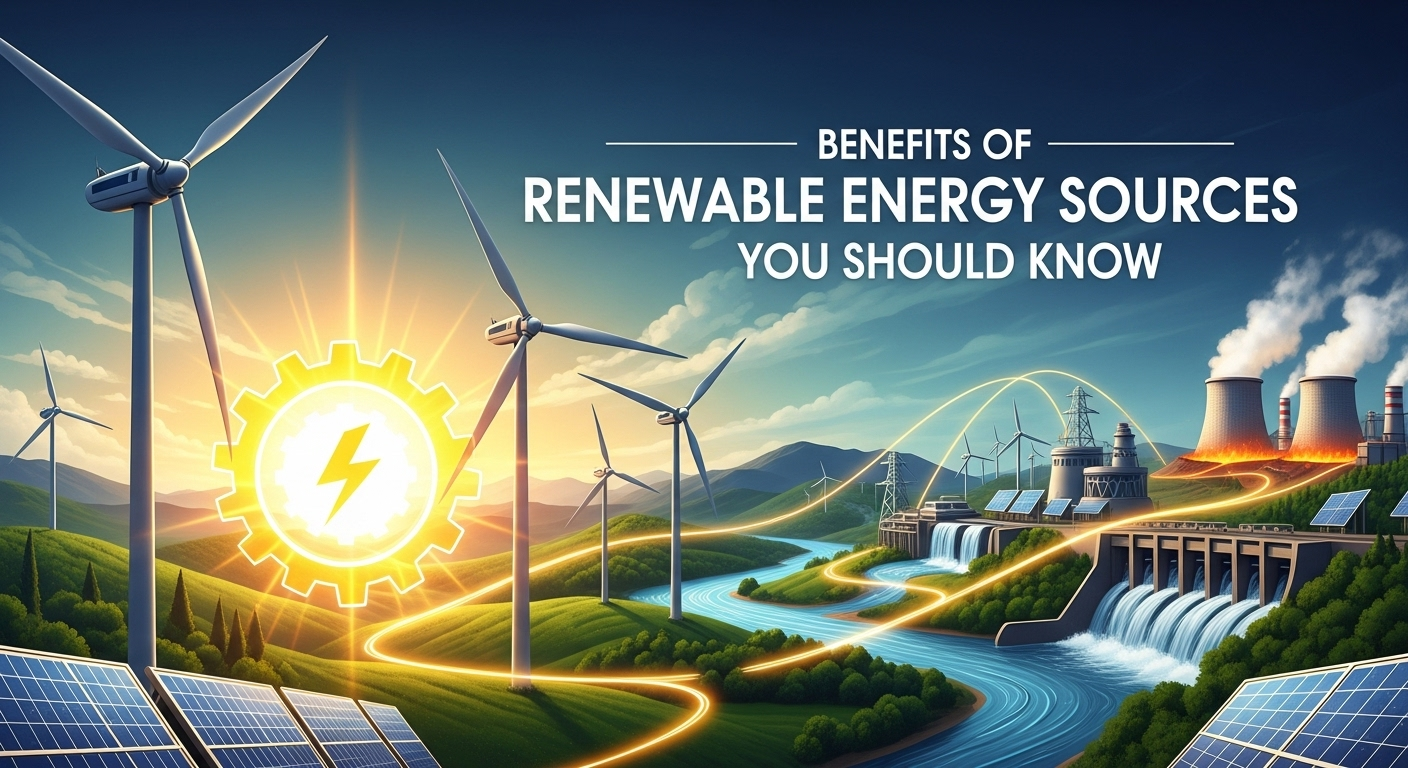
Renewable energy offers a direct path to greater energy independence and security. By harnessing domestic resources like sunlight, wind, and geothermal heat, countries can reduce their reliance on foreign energy imports. This shift has several key advantages:
- Insulation from Global Price Shocks: Domestically produced renewable energy is not subject to the price volatility of the global oil and gas markets.
- Reduced Geopolitical Leverage: It weakens the ability of energy-exporting countries to use energy as a political tool.
- Diversified Energy Supply: A grid that incorporates multiple renewable sources (solar, wind, hydro, geothermal) is more resilient than one that relies on a single imported fuel source.
- Grid Resilience: Decentralized energy systems, such as microgrids powered by local solar and storage, can continue to operate even if the main grid goes down, enhancing resilience during natural disasters or cyberattacks.
By investing in a robust domestic renewable energy infrastructure, a nation is not just making an environmental or economic choice; it is making a strategic investment in its own sovereignty and security. This move creates a more stable and predictable foundation for the country's economy and reduces its exposure to international conflicts and supply chain vulnerabilities. The power is generated at home, for the benefit of the people at home, strengthening the nation from within.
Public Health and Social Improvements
The benefits of renewable energy extend deep into the social fabric of our communities, most notably through significant improvements in public health. As discussed earlier, the air and water pollution from burning fossil fuels is directly linked to a host of serious health conditions. By transitioning to clean energy, we are effectively removing these pollutants at the source. This leads to cleaner air in our cities and towns, which translates directly into lower rates of asthma, bronchitis, heart disease, and other respiratory and cardiovascular ailments. The healthcare savings alone can be substantial, freeing up public funds for other essential services.
Beyond the direct health impacts, the renewable energy transition can foster social equity and community development. In many rural areas, the development of wind or solar farms provides a new and stable source of income for landowners and creates local jobs, helping to revitalize local economies that may have been struggling. Furthermore, decentralized renewable energy solutions like small-scale solar installations can bring reliable electricity to remote and underserved communities for the first time. This energy access unlocks opportunities for better education, healthcare (e.g., refrigerating vaccines), and economic activities, bridging the development gap and improving the quality of life.
This empowerment extends to individual households and businesses as well. Rooftop solar panels give consumers control over their energy production and consumption, turning them from passive bill-payers into active "prosumers." This sense of ownership and participation can foster greater energy awareness and conservation. Community solar projects allow people who cannot install panels on their own roofs (e.g., renters or those with shaded properties) to collectively invest in and benefit from a local solar facility. In essence, the shift to renewables can help democratize our energy system, making it more equitable, community-focused, and socially beneficial.
A Comparative Look: Renewable Energy vs. Fossil Fuels
To fully appreciate the benefits of renewables, it is useful to place them in direct comparison with the fossil fuels they are destined to replace. For over a century, our world has been built on an energy system based on extracting and burning finite resources. This model, while instrumental in the Industrial Revolution, is fundamentally unsustainable and carries immense hidden costs in the form of environmental damage and public health crises. The choice before us is not merely about switching fuel types; it is about choosing between a legacy of depletion and a future of sustainable abundance.
The lifecycle analysis of these two energy systems reveals a stark contrast. The fossil fuel lifecycle involves invasive extraction (mining, drilling), risky transportation across oceans and continents, combustion that releases harmful pollutants, and the challenge of waste disposal. Each step carries significant environmental and health risks. The renewable energy lifecycle, while not entirely without impact (e.g., manufacturing panels and turbines requires energy and raw materials), is vastly cleaner. Its primary impact is concentrated in the manufacturing phase, while its operational phase is virtually emission-free. As manufacturing processes become more efficient and recycling programs for panels and turbines improve, the overall footprint of renewables will continue to shrink.
The table below provides a clear, at-a-glance comparison between these two energy paradigms, summarizing the key differences that underscore the importance of accelerating the transition to clean energy.
| Feature | Renewable Energy (Solar, Wind) | Fossil Fuels (Coal, Natural Gas) |
|---|---|---|
| Environmental Impact | Low to zero emissions during operation; minimal land use for solar. | High CO2 emissions, air/water pollution (smog, acid rain). |
| Fuel Source | Infinite and free (sunlight, wind). | Finite and must be extracted, leading to resource depletion. |
| Price Volatility | Low and stable; fuel is free, costs are predictable. | High; subject to geopolitical conflicts and market speculation. |
| Job Creation | High; creates jobs in manufacturing, installation, and maintenance. | Highly automated; jobs concentrated in specific extraction regions. |
| Health Impact | Positive; reduces respiratory and cardiovascular diseases by improving air quality. | Negative; contributes to asthma, lung cancer, and other pollution-related illnesses. |
| Energy Security | High; promotes energy independence by using domestic resources. | Low; creates dependence on foreign imports and geopolitical instability. |
Frequently Asked Questions (FAQ)
Q: Are renewable energy sources reliable enough to power our grid?
A: This is a common concern, often referred to as "intermittency," since the sun doesn't always shine and the wind doesn't always blow. However, modern grid management has several solutions. Firstly, a geographically diverse portfolio of renewables (e.g., solar in sunny areas, wind in gusty regions) ensures a more consistent power supply. Secondly, and most importantly, the rapid advancement and falling cost of battery storage technology allow us to store excess energy generated during peak times and release it when needed. Finally, pairing renewables with dispatchable sources like hydropower and geothermal energy, along with smart grid technologies, creates a reliable and resilient energy system.
Q: Is renewable energy more expensive than fossil fuels?
A: Not anymore. In fact, in most parts of the world, new utility-scale solar and wind are the cheapest sources of new electricity generation. While the upfront investment (capital cost) can be high, the operational costs are extremely low because the fuel is free. When you consider the entire lifespan of a power plant, the Levelized Cost of Energy (LCOE) for renewables is often lower than that of fossil fuels, especially when you factor in the "external" costs of pollution and healthcare associated with burning coal and gas.
Q: What are the main types of renewable energy?
A: The most well-known types of renewable energy include:
- Solar Energy: Capturing sunlight using photovoltaic (PV) panels or concentrating solar-thermal power systems.
- Wind Energy: Harnessing the power of wind using turbines to generate electricity.
- Hydropower: Using the force of flowing water (rivers, dams) to spin turbines.
- Geothermal Energy: Tapping into heat from the Earth's core to produce steam and generate electricity.
- Biomass Energy: Generating energy by burning organic matter such as wood, crop waste, or converting it into biofuels.
Q: Can renewables realistically power the entire world?
A: Yes, the potential is there. Studies have consistently shown that the world's renewable resources far exceed our global energy demand. The challenge is not in the availability of the resource, but in the scale and speed of deployment. Powering the entire world with renewables will require massive investment in new generation capacity, grid modernization, and energy storage solutions. It will also demand a concerted global effort, supportive government policies, and continued technological innovation. While it's a monumental task, it is technically and economically feasible and is essential for a sustainable future.
Conclusion
The transition away from fossil fuels and towards renewable energy sources is no longer a matter of 'if', but 'how' and 'when'. The benefits of using renewable energy sources are comprehensive and compelling, touching every aspect of modern society. Environmentally, they are our best hope for combating climate change and creating healthier communities with cleaner air and water. Economically, they promise job creation, price stability, and sustainable growth, transforming the energy sector into an engine of prosperity. Strategically, they offer a clear path to energy independence and national security.
Embracing this transformation requires bold vision, sustained investment, and collective will. Governments must create supportive policies, industries must innovate, and individuals must advocate for and adopt cleaner energy solutions. The challenges are real, but the rewards—a stable climate, a thriving economy, and a healthier planet for future generations—are immeasurable. The age of renewable energy is here, offering not just power for our homes and cities, but hope for a brighter, more sustainable world.
***
Article Summary
This article provides a comprehensive exploration of the significant benefits of transitioning to renewable energy sources like solar and wind power. It positions the move away from fossil fuels as an essential step towards a sustainable, secure, and prosperous future. The core advantages are broken down into key categories:
- Environmental Benefits: Renewables are crucial for combating climate change by drastically reducing greenhouse gas emissions. They also improve public health by eliminating air and water pollutants responsible for respiratory illnesses and other health crises.
- Economic Benefits: The clean energy sector is a major driver of economic growth, creating millions of jobs in manufacturing, installation, and maintenance. Furthermore, renewables offer long-term energy price stability, shielding economies from the volatile costs of fossil fuels.
- Energy Security and Independence: By harnessing domestic resources like sunlight and wind, nations can reduce their dependence on foreign energy imports, thereby enhancing their national security and insulating themselves from geopolitical instability.
- Public Health and Social Improvements: The shift results in massive public health gains due to cleaner air and water. It also fosters social equity by providing income to rural landowners and bringing electricity to remote communities.
- Comparative Advantage: When directly compared to fossil fuels, renewables are superior in nearly every metric, including environmental impact, fuel cost, price stability, and long-term sustainability.
Ultimately, the article concludes that the comprehensive environmental, economic, and social benefits make the adoption of renewable energy an urgent global priority.
