
Build a Wildlife-Friendly Garden: Easy Steps to Attract Nature
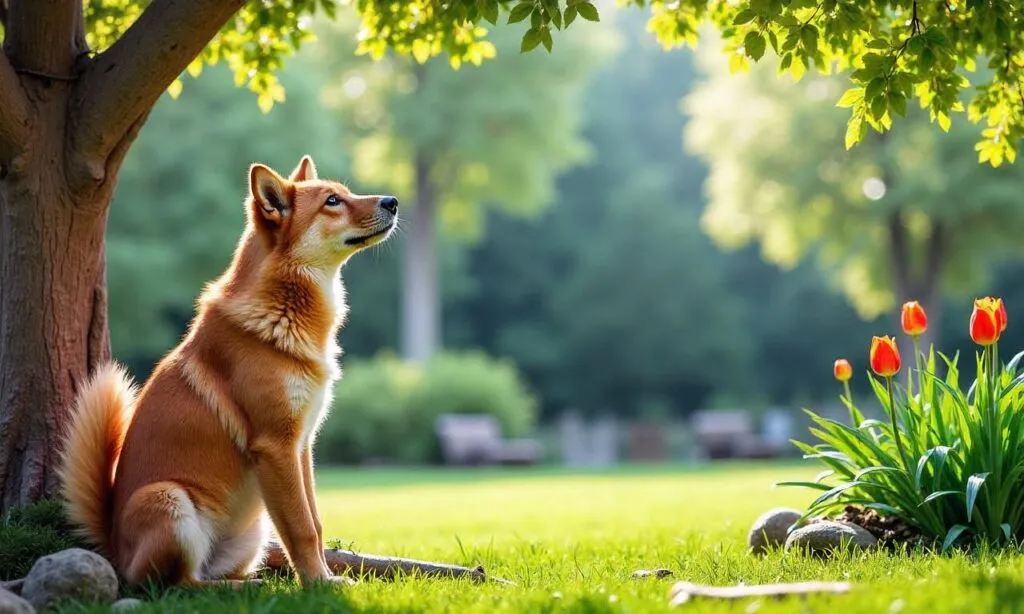
Creating a wildlife-friendly garden is more than just a trend—it’s a meaningful way to support biodiversity, reduce environmental impact, and connect with nature. As urbanization expands, gardens have become crucial habitats for pollinators, birds, and small mammals. By implementing simple strategies, you can transform your outdoor space into a haven for wildlife while enjoying the beauty and serenity of a thriving ecosystem. This article provides a comprehensive guide on how to create a wildlife friendly garden, covering essential steps, practical tips, and sustainable practices to ensure long-term success. Whether you’re a seasoned gardener or a beginner, the following sections will equip you with the knowledge to design a garden that not only enhances your surroundings but also plays a vital role in preserving local wildlife.
—
Plan Your Garden Layout for Maximum Biodiversity
Designing a wildlife-friendly garden starts with a thoughtful layout that mimics natural ecosystems. A well-planned garden creates a balanced environment where different species can coexist and thrive. By considering the needs of various wildlife, you can maximize the garden’s functionality while maintaining its aesthetic appeal.
1. Assess Your Garden’s Potential
Before planting, evaluate your garden’s size, sunlight exposure, and soil type. This analysis helps you determine which plants will grow best and which wildlife species are likely to inhabit your space. For instance, a shaded area might attract shade-loving plants like ferns and mosses, which can provide shelter for small creatures. On the other hand, a sunny spot is ideal for flowering plants that attract bees and butterflies. Remember, every corner of your garden can serve a purpose, from a dry patch for insects to a water source for birds.
2. Incorporate Layers for Habitat Diversity
A wildlife-friendly garden should have multiple layers—ground cover, shrubs, and trees—to create diverse microhabitats. This vertical structure supports a wide range of species, from ground-dwelling insects to canopy-dwelling birds. For example, tall grasses and wildflowers provide food and shelter for bees and butterflies, while taller shrubs and trees offer nesting sites for birds and small mammals. By layering your garden, you create a self-sustaining environment that mimics natural habitats, encouraging wildlife to settle and flourish.
3. Avoid Over-Cultivation
Over-cultivated gardens often lack the natural elements that wildlife depends on. Leave patches of undisturbed soil, allow some areas to grow wild, and avoid frequent mowing. These small changes can create spaces for earthworms, beetles, and other beneficial organisms. Unmanaged areas also serve as natural refuges for hedgehogs, frogs, and lizards. Additionally, integrating natural elements like rocks, logs, and deadwood can provide hiding spots and breeding grounds for insects and small animals.
—
Select Native Plants to Support Local Ecosystems
Native plants are the cornerstone of a wildlife-friendly garden, as they are adapted to the local climate, soil, and wildlife. These plants require less water, fertilizer, and pesticides, making them both eco-friendly and cost-effective. Moreover, they provide essential food and shelter for native insects, birds, and mammals.
1. Benefits of Native Plants
Native plants form the foundation of local ecosystems, offering food for pollinators and shelter for wildlife. For example, wild geraniums (Geranium maculatum) support native bees, while black-eyed Susans (Rudbeckia hirta) attract butterflies and birds. By choosing native species, you reduce the risk of invasive plants outcompeting local flora and fauna. Native plants also improve soil health and reduce erosion, contributing to a more sustainable garden.
2. How to Identify Native Plants
To select the right plants, research which species are indigenous to your region. Local botanical gardens, extension services, and gardening websites can provide reliable lists. For instance, in North America, asters (Symphyotrichum spp.) are native to many regions and provide nectar for bees, while milkweed (Asclepias spp.) is crucial for monarch butterflies. Italics can highlight plant names, such as Digitalis purpurea (foxglove), which supports hummingbirds and bees. By focusing on native plants, you ensure your garden is both ecologically sustainable and visually appealing.
3. Plant Diversity for Year-Round Support
A mix of flowering plants, shrubs, and trees ensures that your garden supports wildlife throughout the year. Early-blooming flowers like snowdrops (Galanthus nivalis) provide sustenance for pollinators in spring, while autumn-blooming shrubs such as Cotoneaster offer food for birds and insects during fall. Planting a variety of species also attracts different types of wildlife, from bees and butterflies to birds and small mammals. This diversity strengthens the garden’s ecological resilience and ensures that it remains a welcoming space for nature throughout all seasons.
—
Add Water Features to Encourage Wildlife Activity
Water is a vital resource for all living organisms, and incorporating water features into your garden can significantly enhance its appeal to wildlife. Whether it’s a small pond, birdbath, or stream, these elements attract a wide range of species and provide essential resources for survival.
1. Create a Habitat for Aquatic Life
A pond or water garden can become a thriving ecosystem for frogs, dragonflies, and waterfowl. To support aquatic life, include a variety of plants like Water lilies (Nymphaea spp.) and Cattails (Typha spp.), which provide oxygen and shelter for fish and invertebrates. A shallow edge with rocks or logs allows amphibians and insects to access water safely. Adding a small waterfall or stream can also create a dynamic environment that attracts pollinators and birds.
2. Choose the Right Water Features
Selecting the appropriate water feature depends on your garden’s size and purpose. A bird bath is ideal for attracting songbirds, while a mini pond can support a broader range of species, including frogs and insects. For larger gardens, a rainwater harvesting system not only provides a sustainable water source but also reduces runoff. Consider the size of your garden: small spaces can benefit from a bowl-shaped birdbath, while larger areas may accommodate a pond or fountain. Ensure the water source is accessible and visible to maximize its impact.
3. Maintain Water Features for Year-Round Use
Regular maintenance is crucial to keep water features functional for wildlife. Change the water in birdbaths weekly to prevent algae buildup, and add floating plants to oxygenate ponds. In winter, leave water sources open to provide critical resources for birds and insects. For example, robins and bluebirds rely on open water during cold months. Including a variety of water depths and shapes can attract different species, from frogs that prefer shallow areas to waterfowl that need deeper pools.
—
Provide Shelter for Different Wildlife Species
Shelter is essential for wildlife to rest, breed, and protect themselves from predators and harsh weather. By incorporating elements like shelters, hedges, and natural structures, you create a safe haven that supports a wide range of species.
1. Design for Different Shelter Types
Various wildlife require different types of shelter. Ground cover like Dandelions (Taraxacum officinale) and Violets (Viola spp.) provide hiding spots for small mammals and insects, while tall hedges offer protection for birds and bats. For small animals like hedgehogs and mice, include dense shrubs and logs to create cozy nests. Creating layered plantings ensures that all species have access to the shelter they need, from ground-level cover to canopy protection.
2. Use Natural Materials for Nesting and Roosting
Natural materials like branches, stones, and deadwood are ideal for wildlife shelters. Leaving fallen branches on the ground can serve as a habitat for beetles and spiders, while stacked stones provide hiding spots for toads and lizards. For birds, installing nesting boxes or using hollow trees can encourage them to breed in your garden. Bats, for instance, often roost in cavities within trees or man-made structures like bat houses. These elements not only enhance biodiversity but also create a sense of harmony between nature and your garden.
3. Incorporate Vertical Spaces for Roosting
Vertical spaces like trellises, wall planters, and climbing plants can provide shelter for birds, insects, and small mammals. Birds often use vertical structures for nesting, while insects like beetles and spiders find refuge in crevices and bark. For rodents and insects, ensure your garden has diverse plant heights and natural terrain to create varied microhabitats. Including a rock garden or brush piles can also serve as a refuge for reptiles and amphibians, making your garden more welcoming to all forms of life.
—
Offer Food Sources for a Healthy Ecosystem

A wildlife-friendly garden needs more than just shelter and water—it requires a steady supply of food to sustain the local ecosystem. By planting a variety of nectar-rich flowers, fruit-bearing shrubs, and insect-friendly vegetation, you create a sustainable food source for pollinators and other animals.
1. Support Pollinators with Nectar and Pollen
Bees, butterflies, and other pollinators are essential for plant reproduction and biodiversity. To attract them, plant nectar-rich flowers like Lavender (Lavandula spp.) and Sunflowers (Helianthus annuus). These flowers provide the energy sources that pollinators need to survive. Including a mix of flowering plants ensures a continuous food supply throughout the seasons, from early spring to late fall.
2. Grow Fruit and Nut Trees for Birds and Mammals
Fruit-bearing trees and shrubs like Apple (Malus spp.) and Blackberries (Rubus spp.) offer a natural food source for birds and small mammals. Birds such as chickadees and thrushes rely on fruits and berries for sustenance, while squirrels and rabbits feed on nuts and seeds. Planting a variety of fruit trees ensures that your garden supports different species and provides food at different times of the year.
3. Include Insect-Friendly Vegetation
Insects form the base of the food chain, so their presence is critical for a healthy ecosystem. Growing insect-friendly plants like Comfrey (Symphytum spp.) and Nettles (Urtica dioica) attracts caterpillars, beetles, and aphids, which in turn feed birds and small mammals. Including a mix of plants that provide nectar, pollen, and foliage ensures that your garden supports both pollinators and predators. This approach fosters a balanced ecosystem where all life forms can thrive.
—
Reduce Pesticides and Chemical Use
Chemical pesticides and fertilizers can harm wildlife by killing beneficial insects, contaminating soil and water, and disrupting natural food chains. By adopting eco-friendly practices, you can create a garden that’s safe for all living organisms.
1. Choose Organic Alternatives
Replace synthetic pesticides with organic alternatives like neem oil, diatomaceous earth, and beneficial insects such as ladybugs and lacewings. These natural methods control pests without harming other species. Organic fertilizers, such as compost and manure, enrich the soil without introducing harmful chemicals. This approach not only protects wildlife but also improves soil health and reduces environmental pollution.
2. Encourage Natural Predators
Allowing natural predators to coexist with your garden can help control pest populations. Planting flowers like Chamomile (Matricaria chamomilla) attracts predatory insects that feed on aphids and other pests. Creating a habitat for birds like sparrows and finches also helps keep insect populations in check. By reducing chemical use, you support a self-regulating ecosystem that minimizes the need for artificial interventions.
3. Use Integrated Pest Management
Integrated pest management (IPM) is a strategy that combines multiple methods to control pests sustainably. Monitor pest populations regularly and use mechanical controls like traps and barriers when necessary. Encourage biodiversity by planting a variety of species, as this reduces the risk of a single pest outbreak. Reducing chemical use not only benefits wildlife but also ensures that your garden remains safe and healthy for both plants and animals.
—
Table: Comparing a Regular Garden vs. a Wildlife-Friendly Garden
| Feature | Regular Garden | Wildlife-Friendly Garden |
|---|---|---|
| Plant Selection | Often non-native, uniform species | Native plants, diverse species |
| Water Features | Minimal or no water sources | Ponds, birdbaths, streams |
| Shelter | Limited, manicured spaces | Diverse layers, natural materials |
| Food Sources | Focused on human consumption | Nectar, fruits, and insects for wildlife |
| Pesticide Use | High chemical use | Minimal or organic methods |
| Biodiversity | Low variety of species | High biodiversity, supports multiple life forms |
| Eco-Friendly Practices | Less emphasis on sustainability | Emphasizes sustainability, reduces environmental impact |
This table highlights the key differences between a conventional garden and a wildlife-friendly garden, emphasizing the benefits of the latter in terms of ecological balance and long-term sustainability.
—
FAQ: Frequently Asked Questions About Wildlife-Friendly Gardens
Q: What are the best plants to attract butterflies and bees?
A: Focus on native flowers that provide nectar and pollen, such asLavender,Marigolds(Tagetes spp.), andDaisies(Bellis perennis). These plants are adapted to local conditions and ensure a continuous food source for pollinators.
Q: How can I create a habitat for birds in my garden?
A: Install bird feeders, provide water sources, and plant dense shrubs or trees for nesting.Sunflowers,Safflower, andBlack-oil Sunflower seedsare popular choices for attracting a variety of bird species.
Q: Are wildlife-friendly gardens more expensive to maintain?
A: No, they are often more cost-effective. Native plants require less water and fertilizer, while reducing pesticide use lowers long-term expenses. A wildlife-friendly garden is <strong>an investment in sustainability</strong> and <strong>ecological health</strong>.
Q: What can I do to attract frogs to my garden?
A: Create a shallow pond with aquatic plants and rocks, and ensure it’s shaded to maintain cool water temperatures. Frogs are naturally drawn to <strong>moist environments</strong> and <strong>abundant insect populations</strong>, making your garden an ideal habitat.
Q: How does a wildlife-friendly garden benefit the environment?
A: It reduces chemical runoff, supports local biodiversity, and provides a <strong>refuge for native species</strong>. By creating a <strong>self-sustaining ecosystem</strong>, your garden contributes to <strong>pollinator conservation</strong>, <strong>carbon sequestration</strong>, and <strong>water cycle regulation</strong>.
—
Conclusion
Building a wildlife-friendly garden is a rewarding way to support local ecosystems while enjoying a more vibrant and sustainable outdoor space. By following the steps outlined in this article—planning your layout, selecting native plants, adding water features, providing shelter, and reducing chemical use—you can create a garden that thrives with life. This approach not only benefits pollinators, birds, and small mammals but also enhances the biodiversity and health of your local environment. Remember, even small changes can make a significant difference. Whether you’re planting a wildflower meadow or installing a bird feeder, your efforts contribute to a safer and more interconnected world for all living creatures.
—
Summary
Creating a wildlife-friendly garden is a simple yet impactful way to support biodiversity and reduce environmental harm. This article explains how to design such a garden by first assessing your space and incorporating diverse plant layers. Native plants, like Geranium maculatum and Rudbeckia hirta, are essential for attracting pollinators, while water features such as ponds and birdbaths provide crucial resources for birds and amphibians. Adding shelters like hedges and rocks ensures safe habitats for small mammals and reptiles, while reducing pesticides promotes a self-sustaining ecosystem. By combining these elements, your garden becomes a haven for wildlife and a model of eco-friendly living. Whether you're a beginner or an experienced gardener, these steps offer a practical guide to how to create a wildlife friendly garden that flourishes with life.
