
Climate Change’s Impact on the Future of Agriculture
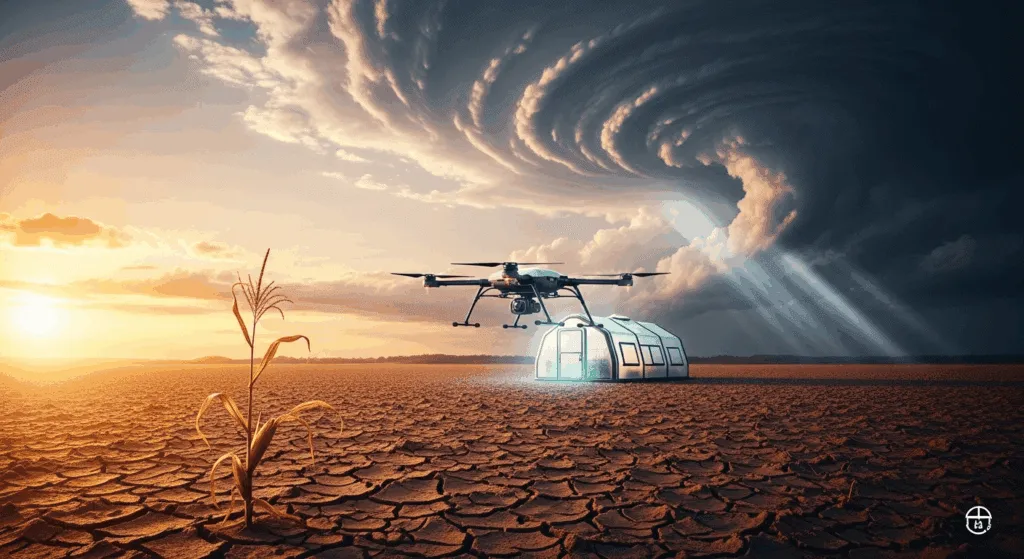
The global food system, a complex web of cultivation, production, and distribution, stands at a critical juncture. For millennia, humanity has honed its agricultural practices based on predictable seasonal patterns and stable climatic conditions. However, the ground beneath our feet—and the sky above it—is changing at an unprecedented rate. The undeniable impact of climate change on agriculture is no longer a distant forecast but a present-day reality, threatening to unravel the very systems that sustain our global population. From the smallest family farm to large-scale industrial agribusinesses, no one is immune to the escalating challenges posed by a warming planet, making the future of agriculture one of the most pressing issues of our time.
The Unseen Harvester: How Climate Change Disrupts Global Food Production
Agriculture has always been a dance with nature, but climate change is altering the rhythm and steps of this delicate performance. The fundamental pillars of farming—consistent temperature, predictable rainfall, and healthy soil—are being systematically eroded. The global average temperature has already risen by more than 1°C above pre-industrial levels, a figure that masks more extreme regional variations. This seemingly small shift has profound consequences for what can be grown, where it can be grown, and how productive those efforts can be.
This disruption extends beyond the farm gate, sending shockwaves through the entire global food supply chain. A drought in a major grain-producing region can lead to price spikes in supermarkets thousands of miles away. A flood that decimates a coffee plantation affects the livelihoods of farmers, exporters, and the local baristas who serve your morning brew. The interconnectedness of our food system means that a climate-induced failure in one corner of the world can create scarcity and economic hardship in another. Food security, defined as the reliable access to a sufficient quantity of affordable, nutritious food, is now under direct threat from climate instability.
The core of the problem lies in the physiological response of plants and animals to environmental stress. Most of our staple crops, such as wheat, rice, and corn, have optimal temperature ranges for growth and reproduction. When temperatures consistently exceed these thresholds, plants experience heat stress. This can lead to reduced photosynthesis, stunted growth, and lower yields. For instance, high nighttime temperatures are particularly damaging for rice, as they interfere with the grain-filling process, resulting in smaller, less nutritious grains. Similarly, livestock suffer from heat stress, leading to decreased milk production, lower fertility rates, and increased vulnerability to diseases.
Shifting Weather Patterns and Their Agricultural Consequences
Perhaps the most visible impact of climate change on agriculture is the increasing volatility and unpredictability of weather patterns. The concept of "normal" seasons is becoming obsolete as farmers grapple with weather that swings from one extreme to another. These shifts disrupt planting and harvesting schedules that have been refined over generations, forcing farmers into a constant state of reactive adaptation rather than proactive planning.
Extreme Weather Events: Floods and Droughts
Droughts and floods represent two sides of the same coin of climate disruption, each with devastating consequences. Prolonged droughts, intensified by higher temperatures that increase evaporation, parch the land and deplete water sources. Soil loses its moisture and structure, becoming compacted and less fertile. This makes it difficult for crops to establish roots and access nutrients, leading to widespread crop failure. Regions like the American West, sub-Saharan Africa, and parts of Australia are already experiencing multi-year "mega-droughts" that threaten the viability of entire agricultural economies.
Conversely, when rain does come, it often arrives in short, intense downpours. The dry, compacted soil from a preceding drought cannot absorb this sudden influx of water, leading to massive runoff and flooding. Flash floods can physically wash away crops, erode precious topsoil, and deposit silt and debris on fields, rendering them unusable for future planting. Furthermore, waterlogged soil deprives plant roots of oxygen, leading to root rot and crop death. This destructive cycle of drought followed by deluge places farmers in an almost impossible situation, where they are simultaneously starved of and overwhelmed by water.
Altered Precipitation and Water Scarcity
Beyond extreme events, subtle but significant changes in overall precipitation patterns are reshaping the agricultural landscape. Many of the world's most productive agricultural regions rely on predictable rainfall, such as the monsoon seasons in South and Southeast Asia. Climate change is making these monsoons more erratic—sometimes arriving late, sometimes delivering less rain, and other times causing catastrophic flooding. This unpredictability jeopardizes the livelihoods of billions who depend on rain-fed agriculture.
This aiteration directly impacts water availability for irrigation, which accounts for approximately 70% of all freshwater withdrawals globally. As mountain glaciers and snowpack—natural reservoirs that release water gradually throughout the year—shrink due to warmer temperatures, the rivers they feed become less reliable. This reduction in river flow during dry seasons creates intense competition for water among agriculture, urban centers, and industry. Water scarcity is becoming a primary limiting factor for agricultural expansion and productivity, forcing difficult decisions about which crops to prioritize and which farmlands to abandon.
The Hidden Threats: Pests, Diseases, and Soil Degradation
While droughts and floods are highly visible, climate change also unleashes a host of less obvious but equally destructive forces. Warmer temperatures and changing humidity levels create new, favorable environments for agricultural pests and diseases to thrive and expand their territories. At the same time, the very foundation of agriculture—the soil itself—is being degraded by these new climatic realities.
The Migration and Proliferation of Agricultural Pests
Insects and other pests that were once confined to tropical or subtropical regions are now migrating towards the poles as winters become milder. Warmer temperatures allow them to survive in areas that were previously too cold, complete more life cycles per year, and expand their populations exponentially. A prime example is the fall armyworm, a devastating pest that has rapidly spread from the Americas to Africa and Asia, voraciously consuming corn, rice, and other staple crops.
This northward march of pests poses a significant threat to regions unprepared to deal with them. Farmers may lack the knowledge or tools to combat these new invaders, and local ecosystems may lack the natural predators to keep them in check. The economic fallout is immense, as farmers face either massive crop losses or the need to invest heavily in new pesticides. This can increase the cost of food production and introduce more chemicals into the environment, creating a vicious cycle of intervention and ecological disruption.
The Rise of New Diseases
Just like pests, plant pathogens such as fungi, bacteria, and viruses are highly sensitive to temperature and moisture. Climate change is creating conditions ripe for the proliferation of crop diseases. For example, increased humidity and warmer nights can foster the spread of fungal diseases like wheat rust and potato blight. The Coffee Leaf Rust (Hemileia vastatrix), a fungus that thrives in warmer, wetter conditions, has devastated coffee plantations in Latin America, showcasing how a single pathogen can cripple an entire industry.
Livestock are not spared. Changes in climate affect the distribution of disease vectors like ticks, mosquitoes, and flies. This allows diseases such as Bluetongue virus in sheep and East Coast fever in cattle to appear in new regions, catching veterinarians and farmers by surprise. The health and productivity of livestock are directly impacted, threatening meat and dairy supplies and placing additional economic strain on farming communities.
Soil Health Under Siege
Soil is a living, breathing ecosystem, and its health is paramount to productive agriculture. Climate change attacks soil health from multiple angles. Intense rainfall, as discussed, leads to severe soil erosion, washing away the nutrient-rich topsoil that takes centuries to form. Higher temperatures accelerate the decomposition of organic matter in the soil, releasing carbon into the atmosphere and depleting the soil of a key component for fertility and water retention.
In coastal agricultural areas, a different threat looms: sea-level rise. As oceans rise, saltwater can intrude into coastal aquifers and river deltas, a process known as salinization. When this salty water is used for irrigation or floods low-lying fields, it dramatically increases the salt content of the soil. Most crops are intolerant to high levels of salinity, which stunts their growth and can eventually kill them. This threat is particularly acute in major food-producing deltas like the Mekong in Vietnam and the Nile in Egypt.
Economic and Social Ramifications for Farming Communities
The impacts of climate change are not just environmental; they reverberate through the economic and social fabric of farming communities worldwide. Farmers, particularly smallholders who make up the majority of the world's agricultural producers, are on the front lines, bearing the brunt of yield volatility and financial instability.
The economic pressure is immense. Unpredictable yields make it difficult for farmers to secure loans or plan for the future. A single bad season caused by a drought or flood can wipe out a family's entire savings. The cost of inputs, from seeds and fertilizers to insurance premiums, is rising as risk increases. Crop insurance, meant to be a safety net, is becoming more expensive or even unavailable in high-risk areas. This economic precarity is forcing many to abandon farming altogether.

This leads to significant social consequences. As farming becomes less viable, many people, especially the young, are migrating from rural areas to urban centers in search of other work. This rural exodus hollows out communities, disrupts traditional knowledge systems, and strains city resources. For those who remain, the mental health toll can be severe. The stress and anxiety of dealing with constant uncertainty, financial pressure, and the potential loss of a multi-generational family farm contribute to high rates of depression and suicide in farming populations globally.
| Projected Impact on Crop Yields by 2050 (Under Moderate Climate Change Scenario) | |||
|---|---|---|---|
| Region | Wheat | Maize (Corn) | Rice |
| Sub-Saharan Africa | -10% to -20% | -15% to -25% | -5% to -15% |
| South Asia | -15% to -30% | -10% to -20% | -10% to -25% |
| Latin America | -5% to -15% | -10% to -20% | -5% to -10% |
| North America | -5% to +5% | -10% to -15% | Stable |
| Europe | 0% to +10% (North) <br> -10% to -20% (South) | -5% to -15% | -5% to -15% |
| China | Stable to -5% | -5% to -10% | -5% to -10% |
Source: Adapted from data from the Intergovernmental Panel on Climate Change (IPCC) and various agricultural studies. Projections are indicative and can vary based on adaptation measures.
The Path Forward: Innovations and Adaptations in Agriculture
Despite the monumental challenges, the story of agriculture's future is not solely one of doom and gloom. It is also a story of resilience, innovation, and adaptation. Across the globe, farmers, scientists, and policymakers are pioneering new strategies to build a food system that can withstand the pressures of a changing climate. The key is to move from a reactive to a proactive model, embedding resilience into every aspect of farming.
Climate-Smart Agriculture (CSA)
One of the most promising frameworks is Climate-Smart Agriculture (CSA), an approach promoted by the Food and Agriculture Organization (FAO) of the United Nations. CSA aims to achieve three interconnected goals simultaneously:
- Sustainably increasing agricultural productivity and incomes.
- Adapting and building resilience to climate change.
- Reducing and/or removing greenhouse gas emissions, where possible.
In practice, CSA involves a wide range of techniques tailored to local conditions. This includes practices like conservation tillage or no-till farming, which minimize soil disturbance to improve water retention and reduce erosion. Agroforestry, the integration of trees into farms, can provide shade for crops and livestock, improve soil health, and sequester carbon. Other examples include improved water management through drip irrigation, rainwater harvesting, and the use of drought-tolerant crop varieties.
Technological Breakthroughs and Precision Farming
Technology is a powerful ally in the fight for a resilient food future. Precision agriculture leverages tools like GPS, drones, and soil sensors to allow for a highly targeted application of resources. For example, sensors can tell a farmer exactly which part of a field needs water or fertilizer, reducing waste and environmental impact. Drones equipped with multispectral cameras can monitor crop health from above, detecting signs of stress or disease before they become visible to the human eye.
Biotechnology and genetic engineering also play a critical role. Scientists are working to develop new crop varieties that are not only high-yielding but also resistant to heat, drought, salinity, and specific pests. While controversial in some circles, genetic modification offers a powerful tool for accelerating the development of crops that can thrive in the challenging conditions of the future. This "climate-proofing" of our staple crops is essential for ensuring global food security.
Policy and Global Cooperation
Individual efforts by farmers, while crucial, are not enough. Systemic change requires strong and supportive government policies and international cooperation. Governments can play a vital role by providing subsidies for adopting sustainable practices, investing in agricultural research and development, and modernizing water management infrastructure. Building robust early-warning systems for extreme weather events can give farmers crucial time to prepare and protect their assets.
On a global scale, agreements like the Paris Agreement are essential for coordinating efforts to mitigate climate change, which is the root cause of the problem. International organizations can facilitate the transfer of knowledge and technology from developed to developing nations, ensuring that smallholder farmers have access to the tools and techniques they need to adapt. Collaboration is not optional; it is the only way to secure a sustainable and equitable food system for a global population projected to reach nearly 10 billion by 2050.
Frequently Asked Questions (FAQ)
Q: What is the single biggest threat climate change poses to agriculture?
A: While all threats are interconnected, many experts point to water availability as the single biggest challenge. This includes both water scarcity due to droughts and altered rainfall, and water excess due to extreme flooding. Water is the lifeblood of agriculture, and its increasing unpredictability fundamentally destabilizes food production.
Q: Are there any benefits of climate change for agriculture?
A: There can be some localized, short-term benefits, but they are overwhelmingly outweighed by the negatives. For example, warmer temperatures may extend the growing season in some high-latitude regions like Canada, Siberia, and Scandinavia, potentially allowing for new types of crops to be grown. However, these same regions will also face challenges with new pests, soil quality issues, and extreme weather, making any "benefit" highly uncertain and likely temporary.
Q: How can consumers help mitigate the impact of climate change on agriculture?
A: Consumers have significant power. Key actions include:
- Reducing food waste: Approximately one-third of all food produced globally is wasted. Reducing this waste lessens the pressure on agricultural systems.
- Supporting local and sustainable farms: Buying from farmers who use climate-smart or regenerative practices helps support a resilient food system.
- Making informed dietary choices: Diets with a lower carbon and water footprint, often involving less consumption of red meat, can collectively make a large difference.
Q: What is regenerative agriculture?
A: Regenerative agriculture is a holistic farming philosophy and practice that goes beyond sustainability. Its primary goal is to actively improve and restore the health of the ecosystem, particularly the soil. Key practices include no-till farming, cover cropping, crop rotation, and integrating livestock to mimic natural grazing patterns. By focusing on rebuilding soil organic matter and biodiversity, regenerative agriculture aims to create farms that are more resilient to drought and pests, sequester more carbon, and improve the water cycle.
Conclusion: Cultivating a Resilient Future
The impact of climate change on the future of agriculture is a complex and urgent challenge that touches every person on the planet. The escalating frequency of extreme weather, the migration of pests and diseases, and the degradation of soil and water resources are putting unprecedented strain on our ability to feed a growing global population. The economic and social consequences for farmers and rural communities are profound, threatening livelihoods and unraveling the fabric of rural life.
However, the future is not yet written. The agricultural sector is a hotbed of innovation, where ancient wisdom is merging with cutting-edge technology to forge a new path forward. Through the widespread adoption of Climate-Smart Agriculture, breakthroughs in precision farming and biotechnology, and the implementation of supportive government policies, we can build a food system that is both productive and resilient.
Ultimately, securing the future of agriculture requires a collective effort. It demands commitment from policymakers, ingenuity from scientists, resilience from farmers, and conscious choices from consumers. By working together to mitigate the causes of climate change and adapt to its inevitable effects, we can ensure that our fields continue to provide sustenance for generations to come, cultivating a future that is not only survivable but thriving.
***
Article Summary
The article, "Climate Change's Impact on the Future of Agriculture," provides an in-depth analysis of how a changing climate is threatening global food systems. It begins by establishing that climate change is no longer a future problem but a current crisis directly disrupting food production through rising temperatures and heat stress on crops and livestock.
The main sections detail these impacts:
- Shifting Weather Patterns: Explores the agricultural consequences of erratic weather, focusing on the destructive cycle of extreme droughts and floods, as well as the broader issue of water scarcity due to altered precipitation.
- Hidden Threats: Discusses the less visible but equally damaging effects, including the migration of agricultural pests into new territories, the rise of new crop and livestock diseases, and the systemic degradation of soil health through erosion and salinization.
- Economic and Social Ramifications: Highlights the human cost, detailing the financial instability and mental health crises facing farmers, which leads to rural migration and threatens a way of life. A table illustrates projected crop yield losses in key regions.
- The Path Forward: Shifts to a solution-oriented perspective, outlining key strategies for adaptation. It covers Climate-Smart Agriculture (CSA), technological innovations like precision farming and biotechnology, and the critical need for supportive government policies and global cooperation.
The article concludes with a comprehensive FAQ section addressing common questions and a powerful conclusion that calls for a collective, collaborative effort from all stakeholders—from farmers to consumers—to build a resilient and sustainable agricultural future.
