
Environmental Education Programs: Building Eco-Aware Communities
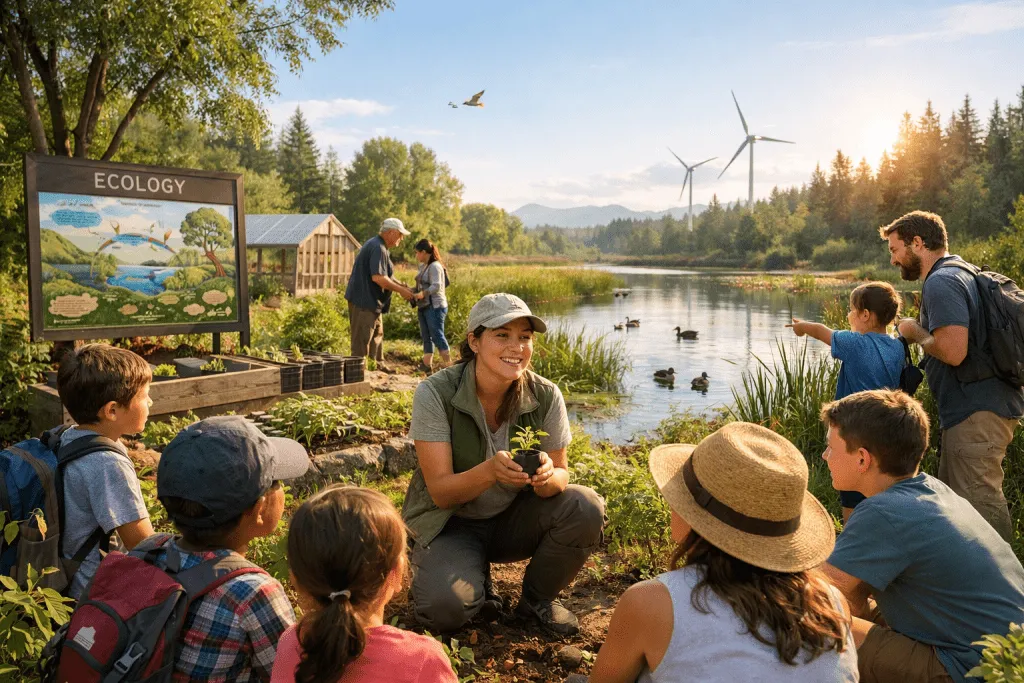
Communities don’t become environmentally responsible by accident. They become eco-aware when people understand how daily choices affect air, water, waste, energy, and local ecosystems—and when they feel capable of taking action. That is the direct purpose of environmental education programs: building practical knowledge, shaping attitudes, and turning awareness into consistent community behavior.
Unlike one-time campaigns, effective programs create long-term learning habits. They help residents, students, businesses, and local leaders share a common language about sustainability. When designed well, these programs do not just “teach”—they reduce pollution, improve public health, and strengthen local resilience in measurable ways.
What Environmental Education Programs Really Are (and What They Are Not)
At their core, environmental education programs are structured learning efforts that help people understand environmental systems and make informed decisions. They can happen in schools, neighborhoods, workplaces, religious communities, parks, and online platforms. The focus is not only information, but also skills and responsibility.
A common mistake is thinking environmental education is simply “talking about climate change.” In reality, it covers a wide range of local and daily-life issues such as waste sorting, water conservation, urban greening, biodiversity, food systems, and energy efficiency. The best programs connect global problems to local realities people can see and influence.
Environmental education is also not the same as marketing or propaganda. A credible program teaches participants to evaluate evidence, understand trade-offs, and consider multiple solutions. This is what makes it sustainable: people change because they understand, not because they were pressured.
Why Eco-Aware Communities Need Structured Education
Most communities already have people who care about the environment. The challenge is that awareness is often fragmented, emotional, or inconsistent. One group may focus on plastic waste, another on tree planting, and another on clean energy—without a shared plan or shared understanding.
Environmental education programs solve this by creating a foundation of shared knowledge. When residents understand the same basic principles, community actions become coordinated. This improves participation and reduces conflict, because decisions feel more rational and transparent.
Structured education also reduces misinformation. Environmental topics are frequently distorted online, including false claims about recycling, carbon offsets, or renewable energy reliability. A program that teaches basic scientific reasoning helps communities filter misinformation and make better decisions.
Finally, education builds long-term resilience. Communities that understand water cycles, land use, and disaster risk are better prepared for floods, heatwaves, and pollution events. This makes environmental education not just “green”—it becomes a public safety tool.
Key Elements of High-Impact Environmental Education Programs
Not all programs work equally well. Many fail because they are too theoretical, too short, or disconnected from real community behavior. Effective environmental education programs share several core elements that increase long-term impact.
The first element is local relevance. People learn faster when the topic matches what they experience daily, such as neighborhood flooding, rising waste costs, air pollution, or water shortages. A lesson about ocean plastics may be inspiring, but a lesson about local waste systems may change behavior immediately.
The second element is action-based learning. Communities change when education includes practice, such as composting workshops, household energy audits, community clean-ups with data collection, or tree maintenance training. This turns knowledge into habit and makes the learning feel useful.
The third element is continuity, not one-time events. Real behavior change requires repetition. Programs that run in cycles—monthly sessions, school semester projects, or annual community challenges—build momentum and social norms.
The fourth element is clear measurement. Strong programs track outcomes like recycling accuracy, waste reduction, participation rates, water savings, or increased green space. Measurement creates credibility and helps communities improve the program over time.
Program Models That Work in Schools, Neighborhoods, and Cities
Environmental learning can be delivered through many models, but certain formats consistently perform well. The key is matching the model to the community’s needs, resources, and culture.
In schools, the most effective model is project-based environmental learning. Instead of only reading textbooks, students monitor local water quality, measure waste output, or run a school garden. This creates strong engagement and often influences parents through students’ behavior at home.
In neighborhoods, community workshops work best when they are practical. Examples include composting training, waste sorting demonstrations, or rainwater harvesting basics. When residents leave with a simple skill and a clear next step, adoption is much higher.
For cities, the strongest model is a multi-stakeholder program combining schools, community organizations, and local government. Cities can support public education through parks, libraries, public campaigns, and partnerships with local businesses. The goal is to make environmental learning visible and normal, not niche.
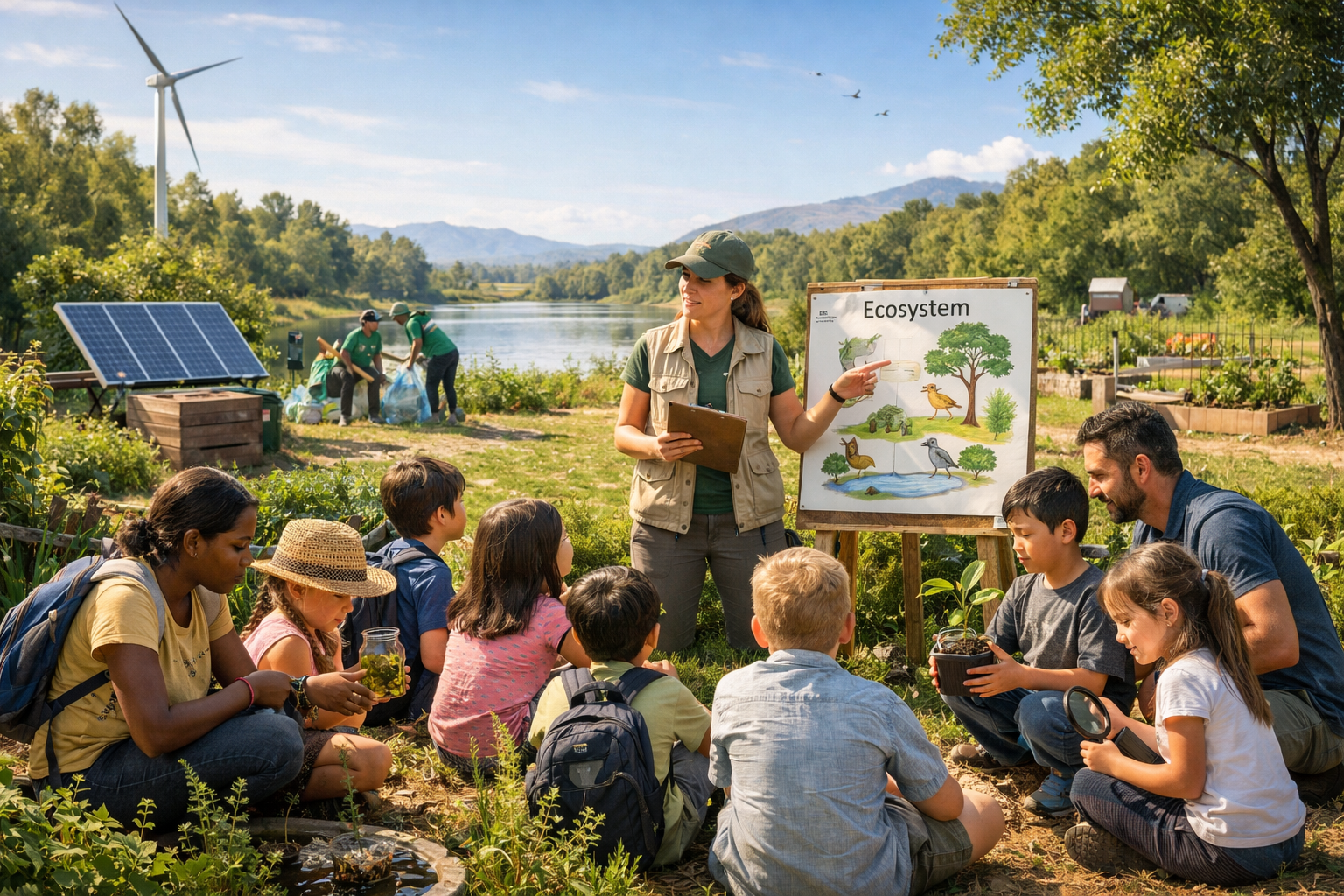
Digital programs also matter. Online learning is especially effective when paired with offline action. For example, an online module about waste can be followed by a neighborhood sorting challenge. This hybrid approach increases scale without losing real-world impact.
How Environmental Education Changes Community Behavior Long-Term
Behavior change is not automatic, even when people care. Many residents understand that pollution is harmful but still struggle to change routines. Effective environmental education programs work because they target the real drivers of behavior.
First, education reduces confusion. Many people want to recycle but do not understand local recycling rules. When programs clarify what to do, contamination drops and recycling becomes more effective. Small clarity improvements can create large system-level gains.
Second, education increases perceived control. People act when they feel their actions matter. A program that shows how community waste reduction lowers municipal costs or improves local cleanliness creates a sense of impact. This is critical for motivation.
Third, programs build social norms. When environmental behaviors become socially visible—like carrying reusable bottles, sorting waste correctly, or joining tree care groups—people adopt them faster. Communities change when sustainability becomes part of identity, not just personal preference.
Fourth, education strengthens leadership. Eco-aware communities need local champions who can organize, communicate, and maintain projects. Programs that train volunteers and community leaders create long-term capacity, not just short-term enthusiasm.
Common Mistakes and How to Avoid Them
Many environmental initiatives fail because they focus on inspiration rather than systems. A community may host a motivational talk, but nothing changes afterward because there is no follow-up plan. Education must be connected to practical steps and measurable outcomes.
Another mistake is making the program too complex. Sustainability topics can become technical quickly, which can intimidate participants. Strong environmental education programs simplify without oversimplifying, using clear examples and accessible language.
Programs also fail when they ignore local barriers. A community cannot be expected to recycle correctly if recycling infrastructure is missing or unreliable. Education must be honest about limitations and include advocacy for system improvements where needed.
Finally, some programs become too focused on guilt. Guilt may create short-term attention, but it rarely creates long-term behavior change. Effective programs focus on responsibility, solutions, and shared progress.
Conclusion
Environmental progress at the community level depends on consistent learning, shared understanding, and practical action. Environmental education programs are one of the most reliable tools for building eco-aware communities because they turn abstract environmental issues into local, daily behavior. When programs are relevant, action-based, continuous, and measurable, they strengthen public participation and produce lasting improvements in sustainability.
FAQ
Q: What are environmental education programs used for? A: They are used to teach communities practical environmental knowledge and help people adopt sustainable behaviors in daily life.
Q: Who should participate in environmental education programs? A: Students, households, local leaders, businesses, and community organizations should participate because environmental outcomes depend on shared action.
Q: Do environmental education programs work without government support? A: Yes, but results are stronger when education is matched with infrastructure such as waste systems, public green spaces, and clear local policies.
Q: What topics are usually included in environmental education programs? A: Common topics include waste management, water conservation, climate resilience, biodiversity, energy efficiency, and sustainable consumption.
Q: How can a community measure the impact of environmental education? A: Impact can be measured through participation rates and real changes such as reduced waste, improved recycling accuracy, lower water use, or increased local greening.
