
Fast Fashion’s Impact on the Environment: A Deep Dive
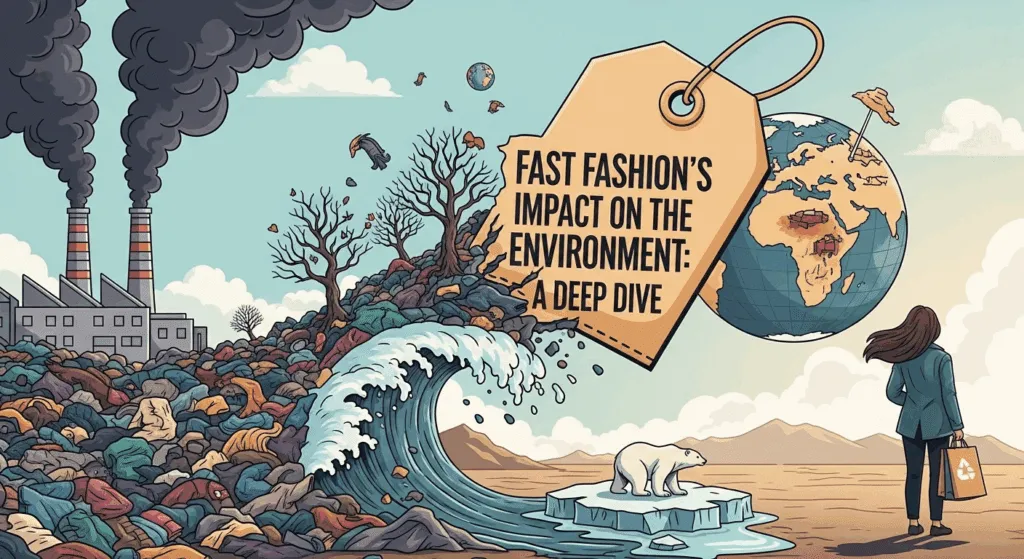
That trendy $10 t-shirt or the dress you bought for a single event might seem like a harmless bargain, but they are symptoms of a much larger, more destructive system: fast fashion. This industry model, built on speed and disposability, has democratized style but at an immense environmental cost. The constant churn of new collections encourages a throwaway culture, leaving a trail of pollution, waste, and depleted resources in its wake. As consumers become more aware of their ecological footprint, the critical question arises: how does fast fashion affect the environment? The answer is complex and startling, touching everything from our planet's water sources and carbon budget to the very soil and oceans that sustain us. This deep dive will unravel the true environmental price tag hidden behind fast fashion's alluringly low prices.
Fast Fashion's Impact on the Environment: A Deep Dive
What Exactly is Fast Fashion?
At its core, fast fashion is a business model characterized by the rapid production of inexpensive clothing to meet the latest, often fleeting, trends. Instead of the traditional two to four fashion seasons per year (Spring/Summer, Autumn/Winter), fast fashion brands might release 52 or more "micro-seasons" annually. This frenetic pace is designed to create a sense of urgency and constant newness, encouraging consumers to buy more and more frequently just to keep up. The model relies on lightning-fast supply chains that can take a design from the runway or a social media post to a retail store in a matter of weeks.
The primary goal of this model is not to create lasting, high-quality garments but to maximize profit through sheer volume. Major players in this space have perfected the art of creating demand for items consumers didn't even know they wanted. They achieve this through aggressive marketing, social media influencer collaborations, and strategically low price points that make the clothing feel disposable. This system effectively shortens the lifespan of a garment, shifting the consumer mindset from "investing in a wardrobe" to "consuming trends," which has profound implications for a garment's entire lifecycle, from production to disposal.
This shift has fundamentally rewired our relationship with clothing. The psychological appeal is powerful; it offers an instant hit of gratification and the ability to participate in constantly shifting cultural moments without a significant financial outlay. Social media platforms like Instagram and TikTok have amplified this, with "haul" videos showcasing huge quantities of new clothing becoming a popular content genre. This creates a vicious cycle: trends emerge faster, brands produce faster to meet them, and consumers buy faster, leading to a mountain of discarded clothes when the next trend inevitably arrives.
Water Consumption and Pollution: The Thirsty Truth
The fashion industry is one of the most water-intensive industries in the world, and fast fashion is its thirstiest sector. From growing the raw fibers to dyeing and finishing the final product, colossal amounts of water are used at every stage. A single cotton t-shirt, for example, can require up to 2,700 liters of water to produce – that's enough drinking water for one person for over two and a half years. When this figure is multiplied by the billions of garments produced annually, the scale of the water footprint becomes staggering, placing immense pressure on already stressed water resources in many parts of the world.
Beyond simple consumption, the industry is a major source of water pollution. The dyeing and treatment of textiles is a chemically intensive process. To achieve the vibrant colors and specific finishes (like waterproofing or wrinkle resistance) demanded by trends, factories often use a toxic cocktail of chemicals, including lead, mercury, arsenic, and petrochemicals. In many manufacturing hubs where environmental regulations are lax or poorly enforced, this chemical-laden wastewater is discharged directly and often untreated into local rivers and streams.
The consequences are devastating for both ecosystems and human populations. This wastewater contaminates drinking water sources, destroys aquatic life, and renders agricultural land unusable. Rivers near textile production zones in countries like Bangladesh and Indonesia have been declared biologically dead, with their colors changing daily depending on the dyes being used. The toxic substances persist in the environment, bioaccumulating in the food chain and posing severe health risks to the communities that rely on these water sources for their survival.
The Cotton Conundrum
Cotton, often lauded as a "natural" fiber, is one of the most problematic crops when it comes to fast fashion's environmental impact. Conventional cotton farming is notoriously thirsty, responsible for a significant portion of the industry's water usage. It is predominantly grown in arid and semi-arid regions, requiring extensive irrigation that diverts water from vital ecosystems and communities, as tragically exemplified by the shrinking of the Aral Sea.
Furthermore, conventional cotton is a pesticide-heavy crop. It accounts for approximately 16% of the world's insecticide use and 6% of its pesticide use, despite occupying only 2.5% of the world's agricultural land. These powerful chemicals degrade soil quality, harm biodiversity, and can contaminate nearby water sources through agricultural runoff. The health of farmworkers is also at severe risk due to prolonged exposure to these toxic agents. While alternatives like organic cotton exist, they currently make up a very small fraction of the global cotton supply, as fast fashion's demand for cheap raw materials incentivizes the continued use of conventional, environmentally damaging methods.
The Chemical Cocktail of Dyes
The dyeing process is arguably the most polluting stage of garment production. To keep costs low and production fast, the industry relies heavily on cheap, synthetic dyes, many of which are toxic or carcinogenic. Azo dyes, for example, are widely used for their ability to produce bright, vivid colors at a low cost, but certain types can break down to release aromatic amines, which are known carcinogens.
In regions with weak environmental oversight, dye houses release millions of gallons of untreated effluent directly into waterways. This effluent contains not only residual dyes but also a host of other hazardous chemicals, such as heavy metals, formaldehyde, and chlorine bleach, creating a toxic soup that chokes aquatic ecosystems. The water becomes so polluted that it blocks sunlight, preventing photosynthesis in aquatic plants and leading to a collapse of the local food web. This practice turns vital community resources into public health hazards, a direct consequence of the demand for cheap, colorful, and trendy clothing.
The Carbon Footprint and Energy Consumption
The fast fashion industry is a significant contributor to the climate crisis, responsible for an estimated up to 10% of global carbon emissions. This massive carbon footprint is generated across the entire supply chain, from raw material extraction and processing to manufacturing, transportation, and eventual disposal. Production facilities are often powered by fossil fuels, particularly coal, in major manufacturing countries like China and India. The energy required to run the machinery for spinning, weaving, and sewing is immense.
Synthetic fibers, which are the backbone of fast fashion due to their low cost and versatility, are particularly energy-intensive. Materials like polyester, nylon, and acrylic are essentially plastics derived from petroleum. The process of extracting fossil fuels and refining them into these fibers releases significant amounts of greenhouse gases, including carbon dioxide (CO2), methane (CH4), and nitrous oxide (N2O). The production of polyester alone, the most widely used fiber in the world, emits about three times more CO2 than the production of cotton.
Once manufactured, these garments embark on a complex global journey. A single item of clothing might have its raw materials grown in one country, spun into yarn in another, dyed in a third, and assembled in a fourth, before being shipped to distribution centers and retail stores all over the world. This extensive transportation network, heavily reliant on container ships and air freight, adds another substantial layer to the industry's overall carbon footprint. The quest for the cheapest labor and materials has created a logistical web that is as carbon-intensive as it is complex.
From Oil to Outfit: The Polyester Problem
Polyester's dominance in fast fashion is a major driver of the industry's environmental impact. As a synthetic fiber made from a non-renewable resource (petroleum), its production is an inherently unsustainable and energy-intensive process that contributes directly to fossil fuel depletion and climate change. The entire lifecycle of a polyester garment is problematic, starting with its carbon-heavy birth in a chemical plant.
The environmental issues with polyester do not end once the garment is made. Unlike natural fibers like cotton or wool, polyester is not biodegradable. This means that every polyester garment ever created, unless it has been incinerated (releasing more pollutants) or mechanically recycled (a process that is not yet widespread or infinitely repeatable), still exists on the planet today. When discarded, these garments will sit in landfills for hundreds of years, slowly breaking down into smaller plastic fragments but never truly disappearing.
Global Supply Chains and "Fashion Miles"
The term "fashion miles" refers to the total distance a garment travels from its origin as a raw fiber to its final destination in a consumer's closet. In the fast fashion model, this distance is often vast. A company might source cheap cotton from India, ship it to Vietnam for spinning and weaving, send the fabric to Bangladesh for dyeing and sewing due to lower labor costs, and finally fly the finished products to Europe and North America for sale. Each leg of this journey burns fossil fuels and releases CO2 into the atmosphere.
This fragmented and globe-spanning supply chain is a direct result of the industry's relentless pursuit of lower production costs. While it allows brands to sell clothing at rock-bottom prices, it externalizes the environmental cost onto the planet. The complex logistics required to manage this system are a significant but often overlooked part of fast fashion's climate impact, highlighting how the price on the tag fails to reflect the true cost of production.

The Tsunami of Textile Waste
Fast fashion's business model is fundamentally built on disposability, which has created an unprecedented crisis of textile waste. The constant influx of new, cheap clothing encourages consumers to view their garments as short-term items rather than long-term investments. As a result, the average person today buys 60% more clothing than they did 15 years ago, but keeps each item for only half as long. This "wear it once" culture means that an enormous volume of clothing is discarded annually, much of it still in perfectly wearable condition.
The ultimate destination for the vast majority of this textile waste is the landfill. It is estimated that a garbage truck's worth of textiles is landfilled or incinerated every single second. Once in a landfill, the environmental impact of these discarded clothes continues. Natural fibers like cotton, when buried in an anaerobic landfill environment, decompose and release methane, a greenhouse gas that is over 25 times more potent at trapping heat in the atmosphere than carbon dioxide.
Synthetic fibers, on the other hand, present a different but equally serious problem. Materials like polyester and nylon are essentially plastics and do not biodegrade. They will persist in landfills for centuries, leaching toxic chemicals and dyes into the surrounding soil and groundwater. While textile recycling is often touted as a solution, the reality is that less than 1% of material used to produce clothing is recycled into new clothing. The technology for fiber-to-fiber recycling is still nascent and expensive, especially for the blended fabrics that are common in fast fashion.
| Fabric Type | Estimated Decomposition Time in Landfill |
|---|---|
| Cotton | 1-5 months (but releases methane) |
| Linen | 2-4 weeks (if untreated) |
| Wool | 1-5 years (but releases methane) |
| Nylon | 30-40 years |
| Polyester | 200+ years (does not fully biodegrade) |
| Spandex / Lycra | 200+ years (does not fully biodegrade) |
The Unseen Plague: Microplastic Pollution
One of the most insidious environmental impacts of fast fashion is one that is largely invisible: microplastic pollution. A significant portion of fast fashion clothing is made from synthetic fibers like polyester, acrylic, and nylon. Every time these garments are washed, they shed hundreds of thousands of microscopic plastic fibers. These fibers, known as microplastics, are tiny enough to bypass the filters in our washing machines and at wastewater treatment plants.
From our homes, these microplastics travel directly into rivers, lakes, and oceans. It's estimated that synthetic textiles are responsible for up to 35% of the primary microplastics released into the world's oceans. Once in the marine environment, these tiny plastic particles act like sponges, absorbing other toxic pollutants from the water. They are then ingested by small marine organisms like plankton and fish, which mistake them for food.
This has dire consequences for marine ecosystems and potentially for human health. As these small organisms are eaten by larger predators, the microplastics and the toxins they carry bioaccumulate up the food chain. This means that the concentration of these harmful substances becomes higher in larger animals, including the seafood that ends up on our plates. Scientists are still studying the full long-term effects of microplastic ingestion on human health, but the ubiquity of these particles throughout the global food web is a cause for serious concern.
Moving Towards a Sustainable Future: What Can We Do?
Confronting the grim realities of fast fashion's environmental impact can feel overwhelming, but it also empowers us to be part of the solution. The antidote to fast fashion is the "slow fashion" movement, which advocates for a more conscious and mindful approach to clothing. This involves shifting our mindset away from disposable trends and towards building a
wardrobe of high-quality, long-lasting, and meaningful pieces. The power lies in our collective choices as consumers to demand better from the industry.
Individual actions, when multiplied by millions, can create a powerful wave of change. The most sustainable garment is the one you already own, so learning to care for, repair, and restyle your existing clothes is a crucial first step. When you do need to purchase something new, prioritize quality over quantity and consider the materials. Opting for sustainable fabrics like organic cotton, linen, hemp, or innovative materials like TENCEL™ Lyocell can significantly reduce your environmental footprint. Supporting brands that are transparent about their supply chains and committed to ethical and sustainable practices also sends a strong message to the industry.
Beyond individual purchasing habits, we can participate in the circular economy. Thrifting, buying second-hand, participating in clothing swaps, and renting outfits for special occasions are all excellent ways to extend the life of garments and prevent them from ending up in a landfill. The key is to break the cycle of overconsumption and embrace a new relationship with clothing—one that values craftsmanship, longevity, and the health of our planet over the fleeting thrill of a cheap, trendy purchase.
Here are some actionable steps you can take:
- Buy Less, Choose Well: Invest in timeless, high-quality pieces that you will wear for years.
- Care and Repair: Learn basic mending skills to fix small tears or replace buttons. Wash clothes less often and follow care instructions to prolong their life.
- Shop Second-Hand: Explore thrift stores, consignment shops, and online resale platforms.
<strong>Research Brands:</strong> Look for brands that are transparent about their environmental and ethical practices. Certifications likeGOTS(Global Organic Textile Standard) orFair Trade* can be helpful indicators.
- Wash Smarter: Use a wash bag like a Guppyfriend to capture microfibers when washing synthetic clothing. Wash in cold water to save energy.
—
Frequently Asked Questions (FAQ)
Q: Isn't donating my old clothes a good solution to textile waste?
A: While donating is better than sending clothes directly to a landfill, it is not a perfect solution. Donation centers are often overwhelmed with low-quality fast fashion items that they cannot sell. A significant portion of these donated clothes are bundled into bales and shipped to developing countries, where they flood local markets and put local textile artisans out of business. Ultimately, a large percentage of these clothes still end up in landfills or are incinerated, simply shifting the waste problem to another part of the world.
Q: Are natural fibers always environmentally better than synthetic ones?
A: Not necessarily. It's more nuanced. While natural fibers like cotton are biodegradable, conventional cotton has a massive environmental footprint due to its high water and pesticide use. In contrast, sustainably sourced natural fibers like organic cotton, linen, or hemp are excellent choices. Some recycled synthetics can also have a lower environmental impact than virgin synthetics. The key is to look at the entire lifecycle of the fiber, from its origin to its end-of-life, rather than making a blanket judgment.
Q: How can I easily identify a fast fashion brand?
A: There are several key indicators. Look for extremely low prices (e.g., $5 tops, $15 jeans), a huge inventory with new styles being added almost daily, and a strong focus on micro-trends that are only popular for a few weeks. The physical quality of the clothing is often poor, with thin fabrics and weak stitching. Finally, a lack of transparency about their supply chain and manufacturing processes is another major red flag.
—
Conclusion
The true cost of fast fashion is a debt being paid by our planet. From the vast amounts of water it consumes and pollutes to its hefty contribution to global carbon emissions and the pervasive scourge of textile and microplastic waste, the industry's impact is staggering and unsustainable. The allure of a cheap garment hides a complex and destructive reality that affects every corner of our globe, disproportionately harming communities in manufacturing regions and degrading the natural systems we all depend on.
However, recognizing the problem is the first step toward meaningful change. By embracing a 'slow fashion' ethos, we can begin to mend our relationship with clothing. Through conscious consumerism—buying less, choosing quality, supporting sustainable brands, and caring for what we own—we can collectively reduce our environmental impact. Shifting from being passive consumers to active, informed citizens is not just a fashion statement; it is a necessary action for the health of our planet and the well-being of future generations.
***
Summary of the Article
The article, "Fast Fashion's Impact on the Environment: A Deep Dive," provides a comprehensive analysis of how the fast fashion industry negatively affects the planet. It begins by defining the fast fashion business model, which is built on rapid, low-cost production and encourages a disposable consumer culture. The piece then explores several key areas of environmental damage: immense water consumption for crop cultivation and water pollution from toxic textile dyes; the industry's significant carbon footprint driven by energy-intensive production of synthetic fibers like polyester and extensive global supply chains; the crisis of textile waste, with millions of tons of clothing ending up in landfills annually; and the pervasive issue of microplastic pollution from washing synthetic garments. The article concludes by advocating for a shift to "slow fashion," offering actionable solutions for consumers such as buying less, choosing sustainable materials, repairing clothes, and shopping second-hand, and includes an FAQ section to address common questions.
