
How Does Climate Change Affect Biodiversity? A Comprehensive Analysis
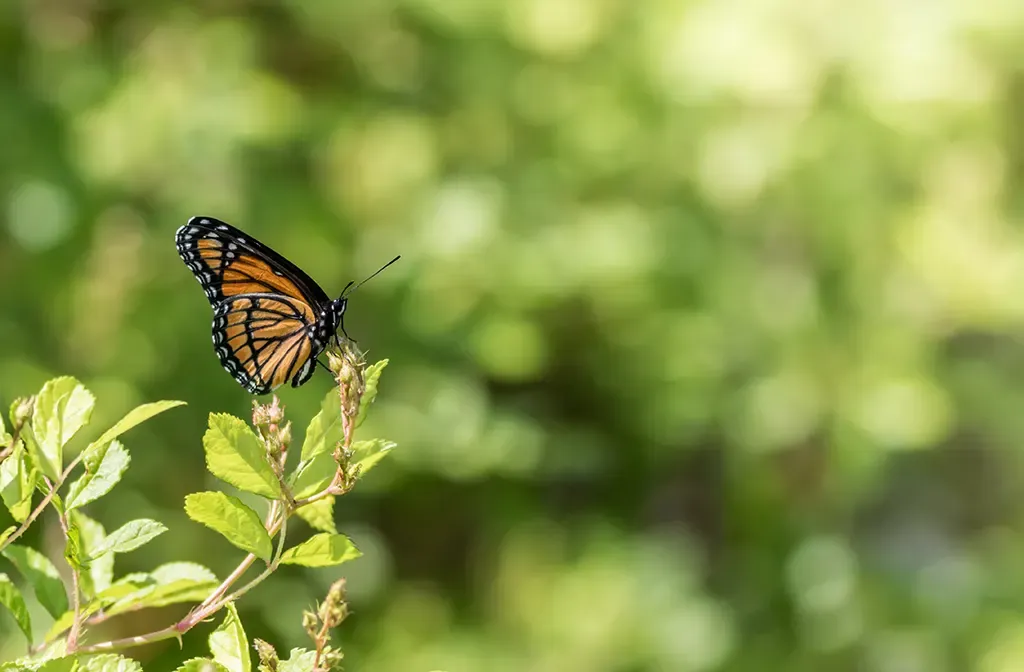
envirocarecentral.com – How Does Climate Change Affect Biodiversity? Explore the profound effects of climate change on biodiversity, from habitat loss to species extinction. Learn about the challenges and potential solutions in this in-depth article.
Climate change is one of the most pressing issues of our time, with far-reaching consequences for the planet’s ecosystems and the myriad species that inhabit them. As global temperatures rise and weather patterns shift, the delicate balance of nature is being disrupted in ways both subtle and dramatic.
In this comprehensive article, we’ll delve into the complex relationship between climate change and biodiversity, exploring how these environmental changes are reshaping the natural world and what it means for the future of life on Earth.
How Does Climate Change Affect Biodiversity?
How does climate change affect Biodiversity? To fully grasp the impact of climate change on biodiversity, it’s essential to understand the intricate connections between climate patterns and ecosystems. Climate change affects biodiversity through various mechanisms, altering habitats, disrupting food chains, and forcing species to adapt or face extinction.
The Direct Effects of Rising Temperatures
One of the most immediate ways in which climate change affects biodiversity is through temperature increases. As global temperatures rise, many species find themselves living in environments that are becoming increasingly inhospitable.
Habitat Loss and Fragmentation
1. Melting ice caps and rising sea levels
2. Desertification of previously fertile areas
3. Shifting vegetation zones
Altered Breeding and Migration Patterns
1. Changes in timing of seasonal events (phenology)
2. Mismatches between predators and prey
3. Disruption of long-established migration routes
Extreme Weather Events and Biodiversity
Climate change is not just about gradual warming; it also leads to an increase in the frequency and intensity of extreme weather events. These events can have devastating effects on biodiversity.
Impact of Storms and Floods
1. Destruction of habitats
2. Direct mortality of animals and plants
3. Long-term ecosystem changes
Droughts and Wildfires
1. Loss of vegetation and animal life
2. Soil degradation
3. Altered landscape dynamics
Species-Specific Impacts
The effects of climate change on biodiversity are not uniform across all species. Some are more vulnerable than others, and the impacts can vary greatly depending on the specific characteristics of each organism.
Marine Ecosystems Under Threat
Ocean ecosystems are particularly vulnerable to climate change, with rising temperatures and ocean acidification posing significant challenges to marine life.
Coral Reef Bleaching
1. Loss of symbiotic algae
2. Reduced habitat for reef-dwelling species
3. Cascading effects on marine food webs
Changes in Ocean Chemistry
1. Difficulties for shell-forming organisms
2. Altered plankton populations
3. Impacts on the entire marine food chain
Terrestrial Species Adaptations and Challenges
On land, climate change is forcing many species to adapt to new conditions or face the risk of extinction.
Range Shifts and Expansions
1. Species moving to higher latitudes or altitudes
2. Invasive species taking advantage of new habitats
3. Increased competition for resources
Phenological Changes
1. Earlier spring events (e.g., flowering, leaf-out)
2. Altered hibernation and estivation patterns
3. Potential mismatches between interdependent species
Ecosystem-Level Changes
When considering how climate change affects biodiversity, it’s crucial to look beyond individual species and examine the broader ecosystem impacts.
Trophic Cascades and Food Web Disruptions
Climate change can set off a chain reaction of effects throughout an ecosystem, known as a trophic cascade.
Keystone Species and Climate Change
1. Impacts on apex predators
2. Changes in herbivore populations
3. Alterations in plant community composition
Pollinator Declines and Plant Reproduction
1. Mismatches between flowering times and pollinator activity
2. Reduced seed production and genetic diversity
3. Potential collapse of agricultural systems
Biogeochemical Cycles and Ecosystem Services
Climate change also affects the fundamental processes that underpin ecosystem function and the services they provide to humanity.
Carbon Cycle Disruptions
1. Changes in carbon sequestration capacity
2. Feedback loops accelerating climate change
3. Alterations in soil microbial communities
Water Cycle Impacts
1. Changes in precipitation patterns
2. Altered river flows and groundwater recharge
3. Impacts on water-dependent ecosystems and human water security
Quantifying the Loss
To fully understand the scope of the problem, scientists are working to quantify the impacts of climate change on biodiversity through various metrics and studies.
Biodiversity Indicators and Climate Change
Researchers use a range of indicators to track how climate change affects biodiversity over time.
Species Abundance and Distribution
1. Population trends of indicator species
2. Changes in species range maps
3. Shifts in community composition
Genetic Diversity Assessments
1. Loss of genetic variability within populations
2. Reduced adaptive potential
3. Increased vulnerability to diseases and environmental stressors
Predictive Models and Future Scenarios
Scientists are developing sophisticated models to predict how climate change will affect biodiversity in the coming decades.
Species Distribution Models
1. Projections of habitat suitability under different climate scenarios
2. Identification of potential refugia
3. Planning for conservation and assisted migration
Ecosystem Vulnerability Assessments
1. Identifying ecosystems at highest risk
2. Projecting changes in ecosystem services
3. Informing adaptive management strategies
Mitigation and Adaptation
As we come to terms with the profound ways in which climate change affects biodiversity, it’s crucial to explore strategies for mitigating these impacts and helping ecosystems adapt.
Conservation Strategies in a Changing Climate
Traditional conservation approaches are being reimagined to account for the dynamic nature of climate change impacts on biodiversity.
Protected Area Design and Management
1. Creating climate-resilient protected area networks
2. Implementing adaptive management practices
3. Facilitating species movements through ecological corridors
Ex-situ Conservation and Assisted Migration
1. Seed banks and captive breeding programs
2. Managed relocation of vulnerable species
3. Restoration of degraded habitats
Policy and Global Cooperation
Addressing how climate change affects biodiversity requires coordinated action at local, national, and international levels.
International Agreements and Targets
1. Paris Agreement and biodiversity conservation
2. Convention on Biological Diversity goals
3. Sustainable Development Goals integration
National and Local Climate Action Plans
1. Incorporating biodiversity considerations into climate policies
2. Nature-based solutions for climate mitigation and adaptation
3. Community-based conservation initiatives
The Role of Technology in Understanding and Addressing Biodiversity Loss
Advances in technology are providing new tools for studying and mitigating the effects of climate change on biodiversity.
Remote Sensing and Earth Observation
Satellite technology and remote sensing are revolutionizing our ability to monitor biodiversity at global scales.
Habitat Mapping and Change Detection
1. High-resolution land cover classification
2. Tracking deforestation and habitat fragmentation
3. Monitoring phenological changes across landscapes
Wildlife Tracking and Population Monitoring
1. GPS collars and satellite tags for migratory species
2. Acoustic monitoring of marine mammals
3. Camera trap networks for terrestrial wildlife
Genomics and Biotechnology
Genetic technologies are providing new insights into how species are responding to climate change.
Environmental DNA (eDNA) Monitoring
1. Detecting species presence in water and soil samples
2. Assessing biodiversity in hard-to-survey environments
3. Tracking invasive species spread
Gene Editing for Conservation
1. Enhancing disease resistance in vulnerable species
2. Restoring genetic diversity in small populations
3. Ethical considerations and potential risks
Conclusion
The question of how climate change affects biodiversity is complex and multifaceted, with impacts that ripple through every level of ecological organization. From individual species to entire ecosystems, the effects of rising temperatures, altered precipitation patterns, and extreme weather events are reshaping the natural world in profound ways. As we’ve explored in this article, these changes pose significant challenges for conservation and threaten the delicate balance of life on Earth.
However, our growing understanding of how climate change affects biodiversity also provides opportunities for innovative solutions and adaptive strategies. By combining cutting-edge scientific research, technological advancements, and collaborative global efforts, we can work towards mitigating the worst impacts of climate change on biodiversity and building more resilient ecosystems for the future.
As individuals and societies, we all have a role to play in addressing this global challenge. By reducing our carbon footprints, supporting conservation efforts, and advocating for climate-smart policies, we can help preserve the rich tapestry of life that makes our planet unique. The future of biodiversity in a changing climate depends on our collective actions today, and the choices we make will shape the natural world for generations to come.
