
Why Is the Amazon Rainforest Important for the Planet?
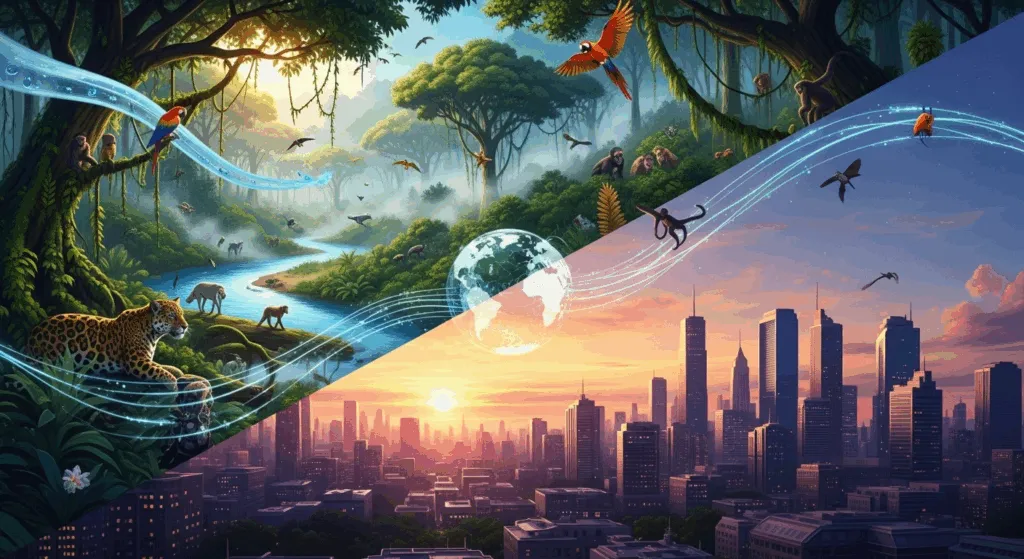
Why is the amazon rainforest important for the planet is a question that drives scientists, policymakers, and citizens to understand one of Earth's most critical ecosystems. The answer spans climate regulation, biodiversity preservation, cultural heritage, and global economic stability. This article explores the multifaceted reasons the Amazon matters, the threats it faces, and what can be done to protect it.
Climate Regulation: The Amazon as Earth's Thermostat
The Amazon rainforest plays a central role in stabilizing the global climate. Its vast vegetation absorbs carbon dioxide through photosynthesis, storing carbon in biomass and soils. This carbon sequestration helps slow the pace of global warming and reduces the intensity of climate-related impacts worldwide.
Beyond carbon storage, the Amazon influences atmospheric circulation patterns. Evapotranspiration from the forest releases moisture that feeds local and regional rainfall systems. Rivers originating in the Amazon basin support ecosystems and agriculture across South America. The forest's ability to produce and recycle water has far-reaching implications for food production and freshwater security.
Finally, the forest moderates surface temperatures. Tree canopies provide shade and regulate albedo (surface reflectiveness), which affects heat absorption. Deforestation increases heat fluxes and can amplify droughts and fires, creating feedback loops that accelerate degradation. Protecting the Amazon is therefore critical for preserving natural climate regulation services.
Carbon sequestration and global warming
The Amazon stores billions of tonnes of carbon in trees and soils. When intact, the forest acts as a net carbon sink, removing CO2 from the atmosphere every year. This service is invaluable in the context of international climate targets.
However, deforestation and fires release stored carbon back into the atmosphere, turning sinks into sources. Even gradual degradation lowers the forest’s capacity to sequester carbon, making global temperature stabilization harder and more costly.
Evaporation, transpiration, and rainfall recycling
Trees in the Amazon transpire water which then condenses and returns as precipitation—often in the same or adjacent regions. This “flying rivers” phenomenon supports agriculture across South America, including major grain-producing areas.
If forest cover declines, the amount of water recycled into the atmosphere drops, reducing rainfall. This can lead to prolonged dry seasons and reduced river flows, directly impacting food production and hydropower generation in the region.
Biodiversity Hotspot: Life Under the Canopy
The Amazon is arguably the most biologically diverse terrestrial ecosystem on Earth. It is home to millions of species, many of which are still undiscovered. High species richness and endemism make the Amazon a global reservoir of genetic diversity and evolutionary history.
This biodiversity supports ecosystem resilience and provides raw materials for medicines, agriculture, and biotechnology. Many pharmaceutical compounds were first modeled on Amazonian plants and animals, and continued exploration could yield treatments for emerging diseases.
The interdependence of species—predators, pollinators, decomposers—maintains nutrient cycles and ecosystem productivity. When species are lost, ecosystems can collapse or lose function, diminishing services humans rely on. Therefore, preserving Amazon biodiversity is not just ethical, it's practical.
Species richness and undiscovered life
Scientists estimate tens of thousands of plant species, thousands of fish species, and millions of insect species inhabit the Amazon. Yet many organisms remain undescribed. Preserving intact habitats is the best way to ensure these species and their ecological roles persist.
Protecting diverse habitats—from floodplain forests to terra firme uplands—ensures the survival of species with specialized niches. Habitat fragmentation, however, isolates populations and increases the risk of extinction.
Ecosystem services from biodiversity
Biodiversity supports pollination, pest control, water purification, and soil fertility. Indigenous knowledge has long used biological diversity for food, medicine, and cultural practices.
Moreover, genetic diversity provides options for crop improvement and resilience to pests and climate change. Losing genetic diversity reduces humanity's ability to adapt to future challenges.
Hydrological Cycle and Regional Water Security
The Amazon basin is central to South America's hydrological system. The forest influences rainfall patterns not only within the basin but also in agricultural centers far from the jungle. Large-scale deforestation alters evapotranspiration rates and can disrupt continental rainfall distribution.
Rivers from the Amazon supply freshwater for millions of people and are vital for transportation, fisheries, and hydroelectric power. Seasonal flooding cycles replenish nutrients in floodplains, supporting rich fisheries and fertile soils. Disruption of this cycle threatens livelihoods and food security.
Additionally, cloud formation and atmospheric moisture transported by the Amazon affect weather patterns even in distant regions. Protection of the forest thus contributes to regional water resilience and agricultural stability.
Flood pulses and nutrient cycling
The seasonal flooding of Amazonian rivers distributes nutrients across floodplains, enabling high biological productivity. These flood pulses support fisheries that are a primary protein source for local communities.
When rivers are dammed or the forest cover declines, the natural flood regime is altered. This leads to sedimentation changes and reduced productivity of aquatic ecosystems, harming fish populations and local economies.
Downstream effects on agriculture and cities
Changes in rainfall can reduce crop yields in major food-producing regions of Argentina, Brazil, and Paraguay. Urban areas dependent on consistent water supplies may face shortages or increased costs for water treatment.
Maintaining the Amazon's hydrological role is therefore essential for regional economic stability and human wellbeing.
Cultural and Socioeconomic Importance
The Amazon is home to hundreds of indigenous groups, many with distinct languages, cultures, and ecological knowledge. These communities have managed and conserved forest landscapes for millennia. Protecting their rights and territories often aligns with conservation goals, making indigenous stewardship a cornerstone of effective protection strategies.
Economically, the Amazon supports livelihoods through sustainable timber, non-timber forest products (like rubber, Brazil nuts), and ecotourism. These income streams can provide alternatives to destructive land uses when properly supported by policy and markets.
Culturally, the Amazon holds spiritual significance and provides identity and continuity for local peoples. Loss of the forest can result in loss of culture, language, and traditional knowledge—intangible but irreplaceable assets.

Indigenous stewardship and conservation
Indigenous-managed lands consistently show lower deforestation rates than other areas. Their customary practices often maintain biodiversity and ecosystem functioning.
International support for land rights and community-led conservation is a highly effective strategy for long-term forest protection. Empowering local groups with legal recognition and market access creates incentives for sustainable management.
Sustainable economies and alternatives to deforestation
Sustainable forest-based enterprises—like certified timber, Brazil nuts, and agroforestry—provide income without destroying habitat. Payment for ecosystem services, carbon credits, and ethical supply chains can make sustainable choices economically viable.
Transitioning to sustainable livelihoods requires investment in infrastructure, market access, and fair policies. When done right, it benefits both communities and conservation goals.
Threats and What Can Be Done
The Amazon faces multiple, interacting threats: deforestation for agriculture and cattle ranching, illegal mining, infrastructure projects, fires, and climate change. These pressures reduce forest cover, fragment habitats, and undermine ecosystem services.
Policy measures, international cooperation, corporate responsibility, and consumer behavior are all part of the solution. Effective protection requires combining strong enforcement with incentives for sustainable land use and restoration efforts.
Restoration—reforestation, river rehabilitation, and soil recovery—can rebuild degraded landscapes, but prevention is cheaper and more effective than recovery. The window to avoid tipping points where large areas shift from forest to savanna is narrowing.
Drivers of deforestation
Agriculture and cattle ranching remain the primary causes of deforestation. Timber extraction and illegal mining also open remote areas to settlement and environmental harm. Weak governance and corruption often exacerbate these problems.
Positive actions include enforcing land-use laws, closing illegal supply chains, and promoting traceability in commodities like soy and beef. International trade measures and consumer pressure can reduce demand for products tied to deforestation.
Restoration and global collaboration
Restoration projects can sequester carbon, improve biodiversity, and recover water cycles. Large-scale reforestation combined with protection of intact forests maximizes climate benefits.
Global funding mechanisms—such as REDD+ (Reducing Emissions from Deforestation and Forest Degradation)—and bilateral agreements can provide finance for conservation. Collaboration with local stakeholders ensures funds support sustainable practices on the ground.
Quick Statistics Table: Amazon at a Glance
| Metric | Approximate Value | Relevance |
|---|---|---|
| Area | 5.5 million km² | Largest tropical rainforest on Earth |
| Estimated species | Millions (plants, insects), 40,000+ plants, 2,200+ fish | Major biodiversity reservoir |
| Carbon storage | ~90–140 billion tonnes of carbon | Significant global carbon sink |
| Annual rainfall contribution | Up to 50% of moisture used in regional rain cycles | Crucial for agriculture and hydrology |
| Deforestation rate (recent decade avg.) | ~10,000–20,000 km²/year (varies) | Ongoing loss of forest cover |
(Note: Values are approximate and subject to updated scientific assessments.)
- The table above provides snapshot metrics useful for quick comparison and SEO snippets (rich results).
- For long-term SEO value, use such data with updated citations and dates when publishing.
Practical Steps for Individuals and Policymakers
Small changes in consumer choices can have outsized impacts when scaled. Governments can design policies that protect forests while enabling sustainable development. NGOs and researchers provide data and monitoring tools—like satellite imagery—to expose illegal activities and inform decisions.
Actions include:
- Supporting certified sustainable products (e.g., FSC timber, deforestation-free soy and beef).
- Advocating for corporate supply-chain transparency and government accountability.
- Funding or participating in reforestation and conservation programs.
Collective action—across consumers, investors, and policymakers—is required to change the economic signals that currently reward forest clearing.
FAQ (Frequently Asked Questions)
Q: How does the Amazon affect global oxygen levels?
A: The Amazon produces a large amount of oxygen via photosynthesis, but most oxygen produced is consumed locally by plant and soil respiration. The forest is not the sole "lungs of the Earth"; however, its role in carbon sequestration is vital for climate regulation.
Q: Can the Amazon recover from large-scale deforestation?
A: Partial recovery is possible through targeted restoration, but fully restoring ancient, intact rainforest ecology can take centuries. Prevention of deforestation is far more effective than restoration.
Q: What role do indigenous people play in protecting the Amazon?
A: Indigenous communities are crucial guardians of biodiversity. Their lands often have lower deforestation and better ecosystem health. Protecting their rights and knowledge is a key conservation strategy.
Q: Is agriculture the main cause of deforestation in the Amazon?
A: Yes, large-scale agriculture and cattle ranching are major drivers, often enabled by road building and land speculation. Illegal mining and logging also contribute significantly.
Q: How can international consumers help?
A: Choosing products certified deforestation-free, supporting conservation NGOs, and advocating for policy changes in your own country (like import restrictions on deforestation-linked commodities) can help reduce pressure on the Amazon.
Conclusion
The Amazon rainforest is indispensable for the planet across climate, biodiversity, water cycles, and human cultures. Its protection is not solely a regional concern but a global imperative—what happens in the Amazon affects weather, food security, and climate stability worldwide. While threats are serious and growing, solutions exist: stronger governance, indigenous rights, sustainable economic alternatives, and international cooperation can turn the tide. The time to act is now—prevention buys more ecological and economic value than restoration ever can.
Summary:
- The Amazon stabilizes climate by storing massive amounts of carbon and regulating rainfall.
- It is a biodiversity hotspot with immense ecological and genetic value.
- The forest supports regional hydrology and human livelihoods, including indigenous cultures.
- Deforestation and climate change are major threats, but policy, market, and community-based solutions are available.
- Global and local actions—from buying deforestation-free products to supporting indigenous land rights—can help protect this vital ecosystem.
Short summary (English):
The Amazon rainforest is essential to the planet because it stores vast amounts of carbon, supports unparalleled biodiversity, regulates regional and global water cycles, and sustains indigenous cultures and economies. Protecting the Amazon prevents catastrophic climate feedbacks and preserves ecosystem services crucial for agriculture, water security, and economic stability. Effective protection combines legal enforcement, indigenous stewardship, sustainable economic alternatives, and international cooperation.
