
She spent 20 months battling to die under a euthanasia law. On Thursday, Spain let her
She spent 20 months battling to die under a euthanasia law. On Thursday, Spain let her
EDITOR’S NOTE: This story involves discussion about suicide that some readers may find upsetting. If you feel you are in crisis, call or text 988 to reach the 24-hour Suicide Crisis Lifeline.
A journey of pain and perseverance
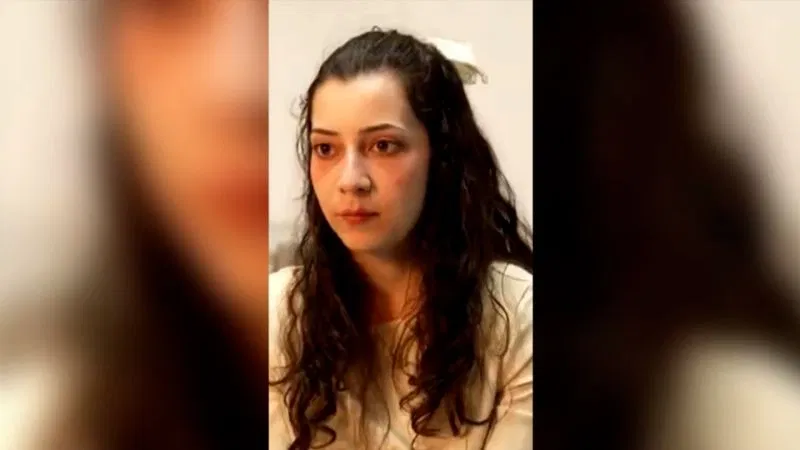
Noelia Castillo, a 25-year-old Spanish woman, made her final choice after a prolonged struggle against her family’s resistance. Her decision to end her life was made possible under Spain’s assisted suicide law, which has been in effect since June 2021. However, her path to that moment was anything but simple, spanning over 20 months of legal battles and emotional turmoil.
Castillo’s journey began with a traumatic home life that started when she was 13, following her parents’ separation. She endured multiple episodes of sexual abuse, including incidents involving an ex-partner, two men in a nightclub, and three young men in a bar. Despite these experiences, she never reported any of them. The second incident in October 2022 led to a suicide attempt, which left her paraplegic and reliant on a wheelchair for mobility.
The legal fight and personal anguish
After surviving the attempt, Castillo’s condition deteriorated, and her suffering became both physical and psychological. “My world was very dark … I had no goals, no objectives, nothing,” she shared in an interview with Antena 3 days before her death. The pain was relentless, with sleep and movement becoming daily challenges, compounded by chronic back and leg discomfort.
Castillo’s request for euthanasia was approved by the Catalonia Guarantee and Evaluation Commission on July 18, 2024. The commission concluded she faced a nonrecoverable clinical situation, marked by severe dependence, enduring pain, and disabling emotional suffering. Yet, her father launched a legal challenge, guided by the conservative Christian Lawyers group, arguing she lacked the capacity to make such a decision.
Final moments and legacy
Castillo’s case traversed five judicial levels, from a Barcelona court to the European Court of Human Rights. While each body affirmed her ability to choose death, her father’s opposition persisted. “He has not respected my decision and he never will,” she said, reflecting on her strained relationship with him. “He ignores me. So why does he want me alive? To keep me in a hospital?”
In her final hours, Castillo bid farewell to her family and requested solitude. “I don’t want anyone inside” her room, she explained. “I don’t want them to see me close my eyes.” Her decision, though delayed, marked the culmination of a personal and legal fight that ended her life with a sense of autonomy and peace.
