
Garden Tools Essential for Every Gardener to Own
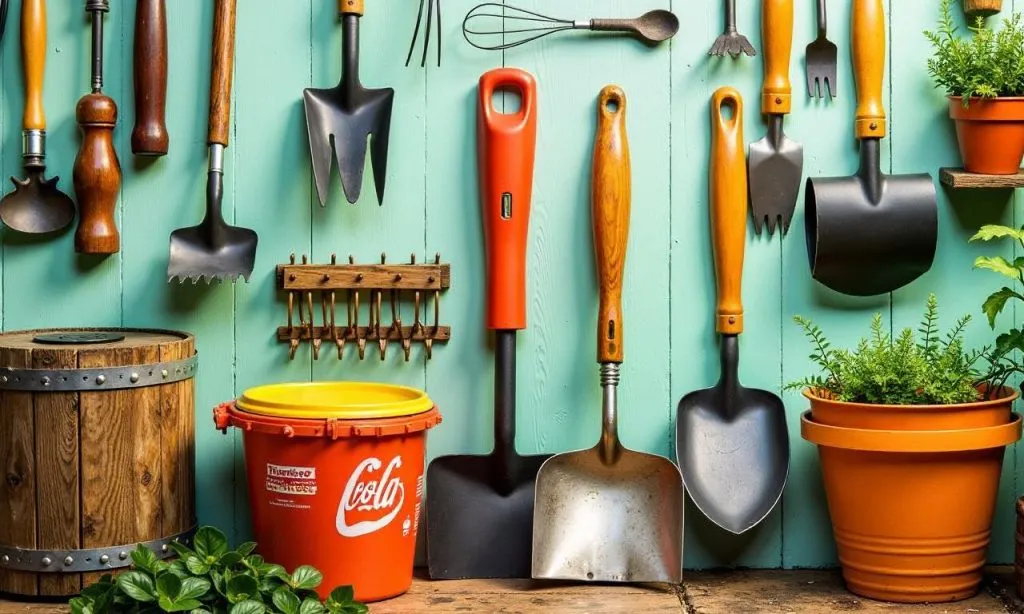
Every gardener, whether you manage a small balcony planter or a full backyard vegetable bed, needs the right tools to work efficiently and avoid unnecessary strain. The truth is that plants are often easy; what makes gardening difficult is poor cutting, messy soil handling, and inconsistent watering. That is why choosing the right core equipment matters more than buying many tools.
This guide covers the garden tools essential for every gardener to own, based on what truly supports daily gardening tasks: digging, planting, pruning, watering, and maintaining healthy soil. The goal is simple: help you build a practical toolkit that lasts for years and makes your work cleaner, faster, and safer.
1) Hand Tools for Digging, Planting, and Soil Work
The most-used items in any toolkit are the ones that stay close to your hands. These are the tools you will reach for when transplanting seedlings, loosening compact soil, removing weeds, and mixing compost into beds. If you invest in quality hand tools, your daily gardening becomes noticeably easier.
A hand trowel is one of the top garden tools essential for every gardener because it handles multiple jobs at once. You can dig planting holes, move soil, scoop compost, and transplant small plants without damaging roots. Look for a strong metal blade and a comfortable grip that won’t slip when wet.
A hand cultivator (or hand fork) is equally important for loosening soil and breaking clumps. It is especially useful in raised beds and containers where you need precision. It also helps aerate soil around plants without disturbing roots too aggressively.
A soil scoop is underrated but extremely practical. It makes it easier to move potting mix into containers without spilling everywhere. For gardeners who work with indoor plants, balcony pots, or seed-starting trays, this tool saves time and reduces mess.
Finally, a weed puller or simple weeding knife helps you remove weeds at the root, not just the leaves. Many weeds regrow quickly if you only cut the top. A small, sharp tool designed for weeding improves accuracy and reduces repeated work.
2) Cutting and Pruning Tools for Plant Health
Cutting tools are not optional if you want plants to stay healthy. Many gardeners make the mistake of using dull scissors or kitchen knives, which crush stems instead of making clean cuts. A clean cut heals faster and lowers the risk of disease.
The most essential item here is a pair of bypass pruning shears. These are designed for living stems and branches, creating clean cuts without tearing. For most home gardens, pruning shears will handle flowers, herbs, shrubs, and small branches easily.
A pair of garden scissors is also valuable, especially for harvesting herbs and trimming soft growth. They are lighter than pruners and easier to control for detailed work. For vegetable gardeners, scissors help harvest without damaging the plant structure.
If you have shrubs, hedges, or climbing plants, you will eventually need loppers. Loppers are like pruning shears with longer handles, giving you more leverage for thicker branches. They reduce strain on your hands and allow cleaner cuts on wood that is too thick for standard pruners.
For more mature gardens, a pruning saw becomes necessary. This tool is designed for thicker branches and dead wood. It helps you maintain trees and large shrubs safely, especially when removing damaged limbs after storms.
If you want a minimal but complete cutting set, prioritize pruning shears first, then add loppers and a pruning saw as your garden grows. These are core garden tools essential for every gardener because they directly affect plant structure, growth, and long-term health.
3) Watering Tools for Consistent Growth
Watering is one of the most misunderstood parts of gardening. Many people water too often, too lightly, or at the wrong time of day. The right tools help you water more consistently and reduce waste.
A watering can is still one of the best options for controlled watering. It is ideal for seedlings, container plants, and indoor gardening. Choose one with a removable rose head so you can switch between gentle flow and direct pouring.
For larger gardens, a garden hose with a good nozzle is essential. The nozzle should allow multiple spray patterns, including mist for seedlings and a steady stream for deep watering. A cheap nozzle often breaks quickly, so it’s worth choosing a durable model.
A soaker hose or drip-style watering line is one of the smartest upgrades for long-term gardening. It delivers water directly to the soil, not the leaves, which helps reduce fungal problems. It also saves time and is especially useful for vegetable beds and long rows.
A rain gauge may sound unnecessary, but it helps you understand your watering schedule. Many gardeners water simply out of habit, even when the soil already has enough moisture. Tracking rainfall prevents overwatering, which is one of the main causes of root rot.
The best watering setup is not the most expensive one. It is the one that helps you water deeply, consistently, and with minimal effort.
4) Soil, Compost, and Mulch Tools That Improve Results
Healthy soil is the foundation of gardening success. You can buy the best plants, but if your soil structure is poor, growth will be slow and disease will be more likely. That is why soil-focused tools are part of the garden tools essential for every gardener list.
A garden fork is one of the most useful tools for turning compost, aerating beds, and breaking up compact soil. Unlike a shovel, it lifts and loosens soil with less resistance. It is also better for mixing organic matter without over-crushing soil structure.
A spade or shovel is necessary for bigger digging tasks, such as creating new beds, moving soil, or planting larger shrubs. A spade is better for clean edges and cutting into soil, while a shovel is better for scooping and moving material.
A rake plays two roles: leveling soil and cleaning debris. A standard leaf rake is great for collecting leaves, while a garden rake (with stronger tines) is better for spreading mulch, smoothing soil, and removing stones. Many gardeners eventually own both.
A wheelbarrow or garden cart is one of the most practical investments for any medium or large garden. It reduces strain when moving compost, mulch, pots, or bags of soil. It also helps you work longer without fatigue, which matters more than most people realize.
Mulch work becomes easier if you also have a mulch fork or a wide scoop. These tools help spread materials evenly without constant bending. Even though they are not always included in beginner lists, they become valuable once your garden expands.
5) Safety, Comfort, and Storage Essentials
Gardening looks peaceful, but it can be physically demanding. Many injuries in gardening come from repetitive strain, poor posture, or unsafe cutting. That is why safety and comfort tools should be treated as essential, not optional.
A good pair of gardening gloves protects your hands from thorns, sharp leaves, and soil irritation. Gloves also reduce blisters when using shovels, rakes, or wheelbarrows. For many gardeners, gloves are the most-used tool after pruning shears.
Knee pads or a kneeling mat help protect your joints during planting and weeding. This is especially important if you spend long sessions working close to the ground. Comfort tools directly increase how long you can work without pain.
A sun hat and protective eyewear are important for outdoor gardeners. Sun exposure is a real risk during long gardening sessions. Protective glasses also reduce eye injury when pruning or trimming branches.
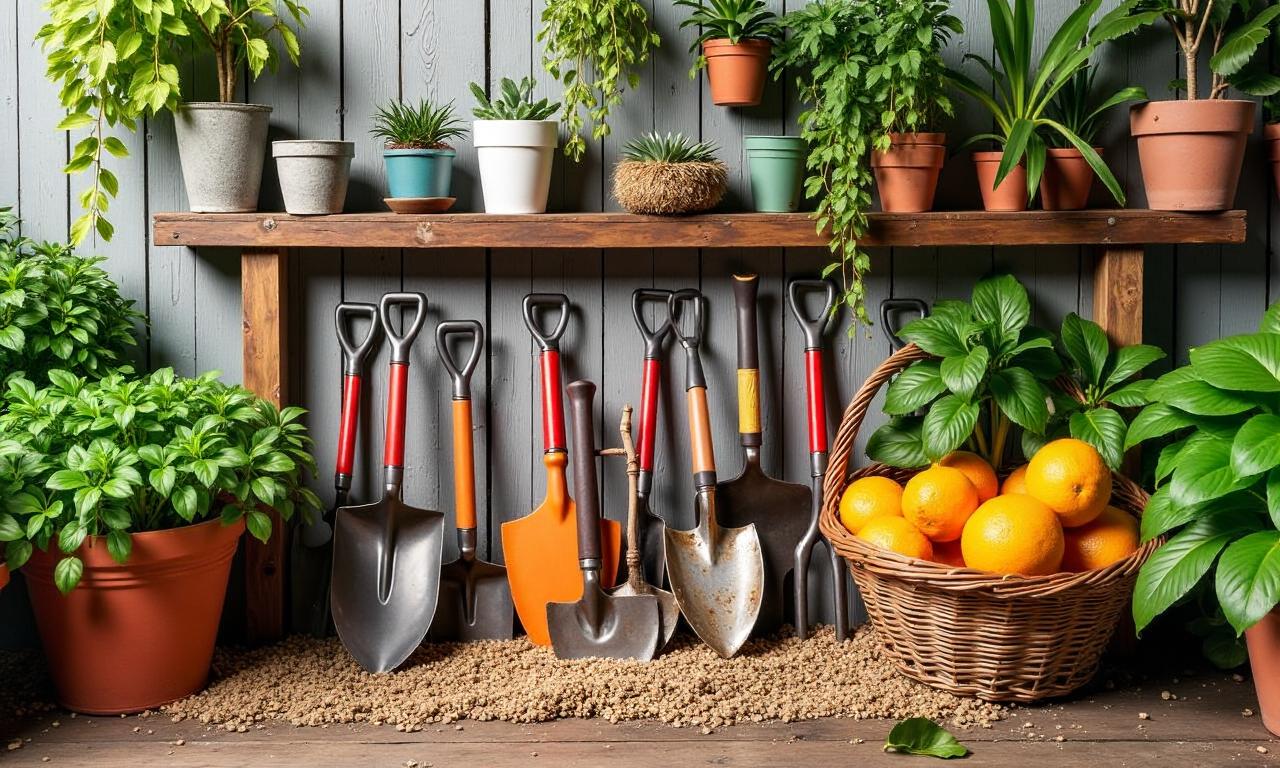
Storage is another overlooked factor. A tool organizer or wall rack keeps tools clean, dry, and easy to find. Proper storage prevents rust, extends tool life, and reduces the chance of accidents caused by stepping on tools left on the ground.
If you want your toolkit to last, basic maintenance is part of ownership. Cleaning tools after use, sharpening blades, and storing them properly is what separates short-term tools from long-term equipment.
Conclusion
The best garden tools essential for every gardener are not the most expensive ones, but the ones that support daily tasks: digging, planting, cutting, watering, and maintaining soil health. A strong foundation includes hand tools, pruning tools, watering equipment, soil tools, and basic safety gear. With the right core set, gardening becomes more efficient, less physically stressful, and far more enjoyable over time.
FAQ
Q: What are the most important garden tools for a beginner? A: A hand trowel, bypass pruning shears, watering can or hose nozzle, gloves, and a small hand fork cover most beginner needs.
Q: Do I need both a shovel and a garden fork? A: Yes, because a shovel is better for moving soil while a garden fork is better for loosening soil and turning compost with less effort.
Q: How often should I sharpen pruning shears? A: Sharpen them whenever cuts start to feel harder or stems begin to crush instead of slicing cleanly.
Q: Are expensive garden tools worth it? A: Higher-quality tools usually last longer and work more efficiently, especially for cutting tools and digging tools used frequently.
Q: What is the best way to store garden tools to prevent rust? A: Clean off soil, dry the tools, and store them in a dry place off the ground, ideally on a rack or hooks.
