
How to Choose Between Indoor and Outdoor Plants: A Complete Guide
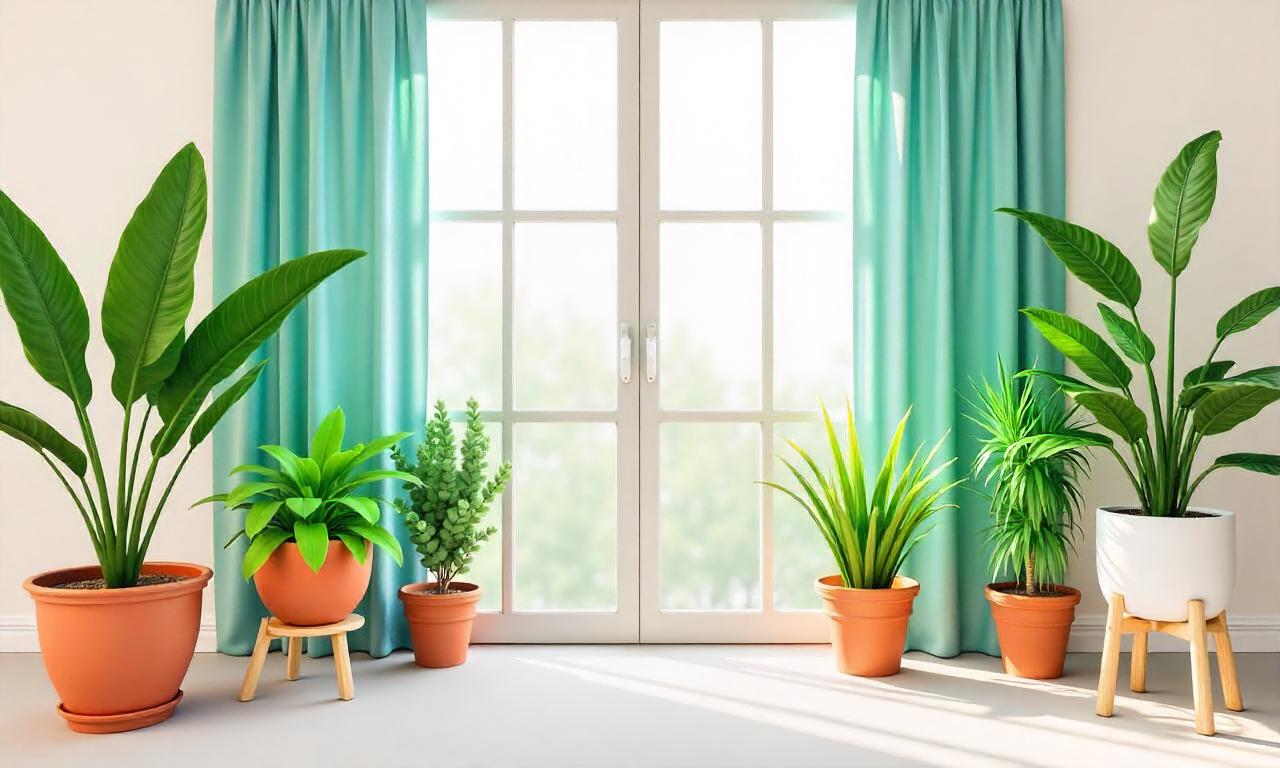
Choosing the right plants for your space can be a daunting task, especially when deciding between indoor and outdoor plants. Whether you’re a seasoned gardener or a novice plant enthusiast, understanding the differences between these two categories is crucial for ensuring your plants thrive. This guide will walk you through the key factors to consider, the types of plants best suited for each environment, and how to make an informed decision based on your specific needs.
Factors to Consider When Choosing Between Indoor and Outdoor Plants
Before diving into the world of plants, it’s essential to evaluate your environment and lifestyle to determine which type of plant is the best fit. The decision between indoor and outdoor plants depends on several factors, including light exposure, climate, space availability, and the amount of time you can dedicate to maintenance.
Light Requirements
Light is one of the most critical elements for plant growth. Indoor plants typically require indirect or low light, making them ideal for rooms with limited natural light. On the other hand, outdoor plants thrive in direct sunlight, especially during the growing season. Consider the light conditions in your home or garden. For example, if you have a sunny windowsill, you can opt for sun-loving species like succulents or cacti. Conversely, if your space is dimly lit, indoor plants such as snake plants or pothos are better choices.
Climate and Weather
Climate plays a significant role in determining which plants will survive in your environment. Outdoor plants are often adapted to specific weather conditions, such as frost resistance or drought tolerance. If you live in a region with harsh winters, choose hardy species like holly or ivy that can withstand cold temperatures. For indoor plants, focus on varieties that can thrive in controlled indoor conditions, such as ferns or peace lilies, which are resilient to temperature fluctuations.
Space and Environment
The amount of space available in your home or garden will also influence your decision. Indoor plants are usually compact and can fit into small spaces like shelves or hanging baskets, while outdoor plants often require more room to grow. Additionally, consider the microclimate of your space. For instance, if you have a shaded patio, opt for shade-tolerant plants like hostas or hydrangeas. If you have a sunny balcony, outdoor plants such as lavender or marigolds will flourish.
Maintenance Level
Your willingness to commit time to plant care is another vital factor. Indoor plants generally need less frequent watering and pruning, making them perfect for busy individuals. However, they may require more attention to humidity levels. Outdoor plants often demand more hands-on care, including regular watering, fertilizing, and pest control. If you’re looking for a low-maintenance option, indoor plants might be the way to go. But if you enjoy outdoor gardening and have the time to maintain a garden, outdoor plants could be a rewarding choice.
Understanding the Differences Between Indoor and Outdoor Plants
To make an informed decision, it’s important to understand the unique characteristics of indoor and outdoor plants. While both serve to enhance the beauty of your living space, their needs and behaviors differ significantly.
Indoor Plants: The Benefits of a Controlled Environment
Indoor plants are cultivated in environments where conditions are more stable, such as temperature, humidity, and light levels. This controlled setting allows them to grow with fewer external stressors. For example, indoor plants like spider plants or philodendrons are known for their adaptability to indoor lighting and temperature. They also help improve air quality, reduce stress, and add a touch of greenery to your home.
Outdoor Plants: Embracing the Natural Elements
Outdoor plants are exposed to the elements, which means they must be resilient to varying weather conditions. They often have deeper root systems and require more sunlight to grow. Plants such as roses, hydrangeas, or sunflowers are examples of outdoor plants that can flourish in natural settings. These plants not only beautify your garden but also provide habitats for wildlife and contribute to the ecosystem.
Comparing Needs: A Key to Success
While indoor and outdoor plants share some common care requirements, their specific needs can vary. For instance, outdoor plants may need more frequent watering during hot summers, whereas indoor plants might require less frequent but more precise hydration. Additionally, outdoor plants are often more susceptible to pests and diseases due to their exposure to the environment, while indoor plants may face issues like low humidity or poor air circulation.
The Role of Soil and Nutrients
Soil composition and nutrient availability also differ between indoor and outdoor plants. Outdoor plants typically grow in natural soil that is rich in organic matter and nutrients, while indoor plants often rely on potting soil that is specially formulated to retain moisture and provide essential nutrients. This distinction means that indoor plants may need regular fertilization, whereas outdoor plants can benefit from natural nutrient cycles in the soil.
How to Choose Between Indoor and Outdoor Plants: A Step-by-Step Approach
Now that you understand the basic differences, let’s break down the process of selecting the right plants for your space.
Assessing Your Environment
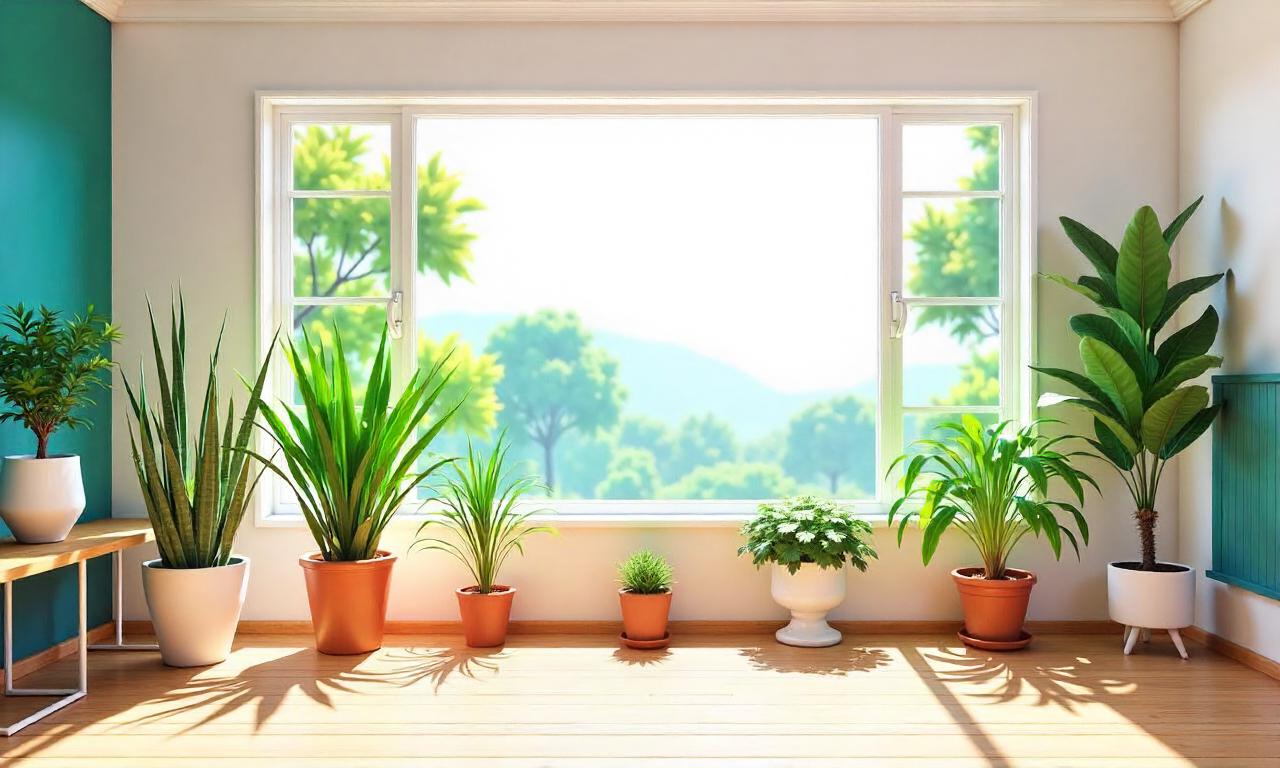
Start by evaluating your home or garden’s environment. Take note of the amount of natural light your space receives, the climate in your area, and the available space for planting. For example, if you live in a tropical climate, outdoor plants like orchids or palms may thrive, while indoor plants like snake plants or ZZ plants are suitable for drier, cooler environments.
Considering Your Lifestyle
Your lifestyle will also play a role in the decision. If you have limited time to tend to a garden, indoor plants such as air plants or cacti are excellent choices due to their minimal care requirements. Conversely, if you enjoy outdoor activities and have the time to maintain a garden, outdoor plants like tomatoes or lavender may be more rewarding.
Think about how you want your space to look. Indoor plants are often chosen for their ability to complement interior decor, while outdoor plants are selected to enhance the visual appeal of gardens and patios. For example, if you’re looking for a lush, green interior, consider tall indoor plants like fiddle-leaf figs or monstera deliciosa. For a vibrant outdoor space, opt for flowering outdoor plants like hydrangeas or sunflowers.
Testing Plant Compatibility
Before making a final decision, test the compatibility of plants with your environment. For instance, if you’re unsure about the light conditions in your home, place a indoor plant like a peace lily in a low-light area to see how it adapts. Similarly, if you’re planning to plant outdoor plants in a new garden, start with a few hardy species to observe their growth patterns and adjust care accordingly.
How to Choose Between Indoor and Outdoor Plants: Key Tips for Success
Prioritizing Plant Health
Regardless of whether you choose indoor or outdoor plants, prioritizing their health is essential. Ensure that plants receive adequate water, nutrients, and sunlight. For indoor plants, use a pot with drainage holes to prevent root rot, while outdoor plants should be planted in well-draining soil to avoid waterlogging.
The Importance of Air Circulation
Proper air circulation is crucial for both indoor and outdoor plants. For indoor plants, avoid placing them in stagnant areas and use fans or open windows to improve airflow. For outdoor plants, ensure that they are spaced appropriately to prevent the spread of diseases.
Choosing the Right Containers
Container selection can impact plant growth and maintenance. Indoor plants often require decorative pots that are lightweight and easy to move, while outdoor plants may need durable, weather-resistant containers. For example, terracotta pots are ideal for outdoor plants because they allow for better drainage, whereas plastic pots are more suitable for indoor plants due to their affordability and versatility.
Monitoring for Pests and Diseases
Both indoor and outdoor plants are vulnerable to pests and diseases, but the types can differ. Indoor plants may face issues like spider mites or aphids, while outdoor plants are more prone to fungal infections or insect infestations. Regular inspection and timely treatment are necessary to keep your plants healthy.
How to Choose Between Indoor and Outdoor Plants: Designing Your Space
Indoor Plants for Interior Decor
When designing your interior space, indoor plants can be strategically placed to create a calming and inviting atmosphere. For example, indoor plants like pothos or snake plants are excellent for vertical spaces, while indoor plants such as peace lilies or ZZ plants can thrive in corners or shelves. Consider the color and texture of the plants to match your interior design.
Outdoor Plants for Landscape Enhancement
Outdoor plants are perfect for creating a dynamic and natural landscape. They can be used to define garden areas, provide privacy, or add visual interest. For instance, outdoor plants like hedges or shrubs can create natural barriers, while outdoor plants such as flowering perennials or annuals can add seasonal color.
Combining Both Types for a Balanced Space
In some cases, combining indoor and outdoor plants can create a cohesive and beautiful space. For example, use indoor plants in your patio area to complement outdoor flowers. This approach allows you to enjoy the benefits of both types of plants while maximizing their aesthetic and functional potential.
Creating a Sustainable Ecosystem
Both indoor and outdoor plants contribute to a sustainable ecosystem, but in different ways. Indoor plants help improve air quality and reduce stress, while outdoor plants support biodiversity and attract pollinators. By choosing the right plants for your space, you can create a harmonious environment that benefits both your living space and the planet.
Conclusion
In conclusion, the process of how to choose between indoor and outdoor plants involves evaluating your environment, lifestyle, and aesthetic goals. By considering factors such as light requirements, climate, space, and maintenance, you can make an informed decision that ensures your plants thrive. Whether you opt for indoor plants that bring a touch of greenery to your home or outdoor plants that enhance your garden, the key is to select species that are well-suited to their specific conditions. With the right approach, you can create a lush, healthy, and beautiful space that reflects your personal style and supports a sustainable environment.
