
How to Create a Low-Maintenance Garden Easily
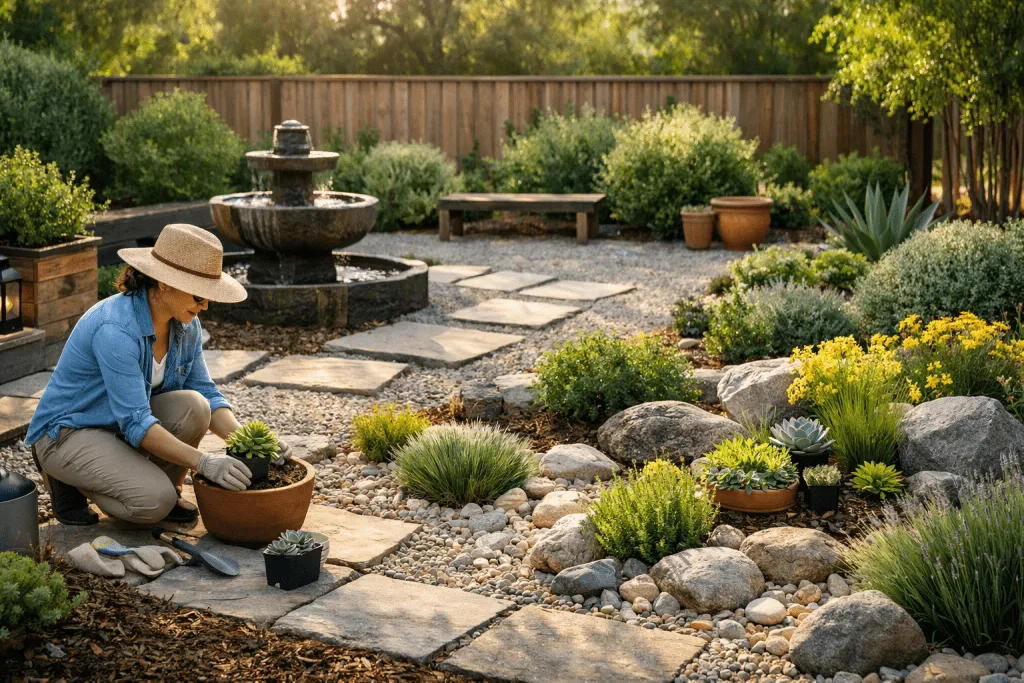
Creating a beautiful outdoor space does not have to mean endless weekends spent watering, pruning, and weeding. Many homeowners today are searching for how to create a low-maintenance garden that looks attractive year-round while requiring minimal effort. The good news is that with the right planning, plant choices, and smart design strategies, a low-maintenance garden is achievable for beginners and experienced gardeners alike. This guide will walk you step by step through practical methods to reduce upkeep without sacrificing visual appeal.
Plan Your Garden With Maintenance in Mind
The foundation of how to create a low-maintenance garden starts with thoughtful planning. Before planting anything, consider how much time, energy, and budget you can realistically dedicate to garden care. A well-planned layout can prevent many common maintenance problems later.
Start by assessing sunlight, soil conditions, and drainage in your yard. Choosing plants that naturally thrive in your environment reduces the need for constant watering, fertilizing, or pest control. Group plants with similar needs together so care routines stay simple and efficient.
It is also important to design clear pathways and defined planting areas. Borders, edging, or raised beds help keep plants contained and reduce the spread of weeds. A structured layout not only looks tidy but also minimizes long-term maintenance work.
Choose Low-Maintenance Plants That Thrive Naturally
Selecting the right plants is one of the most critical steps in how to create a low-maintenance garden. Native plants and climate-adapted species typically require less water, fewer fertilizers, and minimal pruning once established. These plants have evolved to handle local conditions, making them naturally resilient.
Perennials are often better than annuals for low-maintenance gardening. They return each year without the need for replanting, saving time and effort. Ornamental grasses, hardy shrubs, and ground covers are excellent options because they grow reliably and need little attention.
Avoid plants that require frequent trimming, deadheading, or special soil amendments. Instead, focus on varieties known for slow growth and natural disease resistance. By letting plants grow as they are meant to, your garden will stay healthy with minimal intervention.
Reduce Watering and Weeding With Smart Ground Covers
One of the biggest maintenance challenges in any garden is controlling weeds and managing water use. A key principle in how to create a low-maintenance garden is covering exposed soil as much as possible. Bare soil invites weeds and dries out quickly, increasing maintenance demands.
Mulch is one of the most effective tools available. Organic mulch such as bark chips or shredded leaves helps retain moisture, regulate soil temperature, and suppress weed growth. It also improves soil quality over time as it breaks down naturally.
Ground cover plants are another excellent solution. These low-growing plants spread across the soil surface, reducing space for weeds to grow. Once established, they create a living mulch that requires little care and adds visual interest to your garden.
Design for Simplicity and Easy Access
A cluttered or overly complex garden design often leads to higher maintenance. When learning how to create a low-maintenance garden, simplicity should guide every design choice. Clean lines, repeated plant varieties, and open spaces make gardens easier to manage and visually calming.
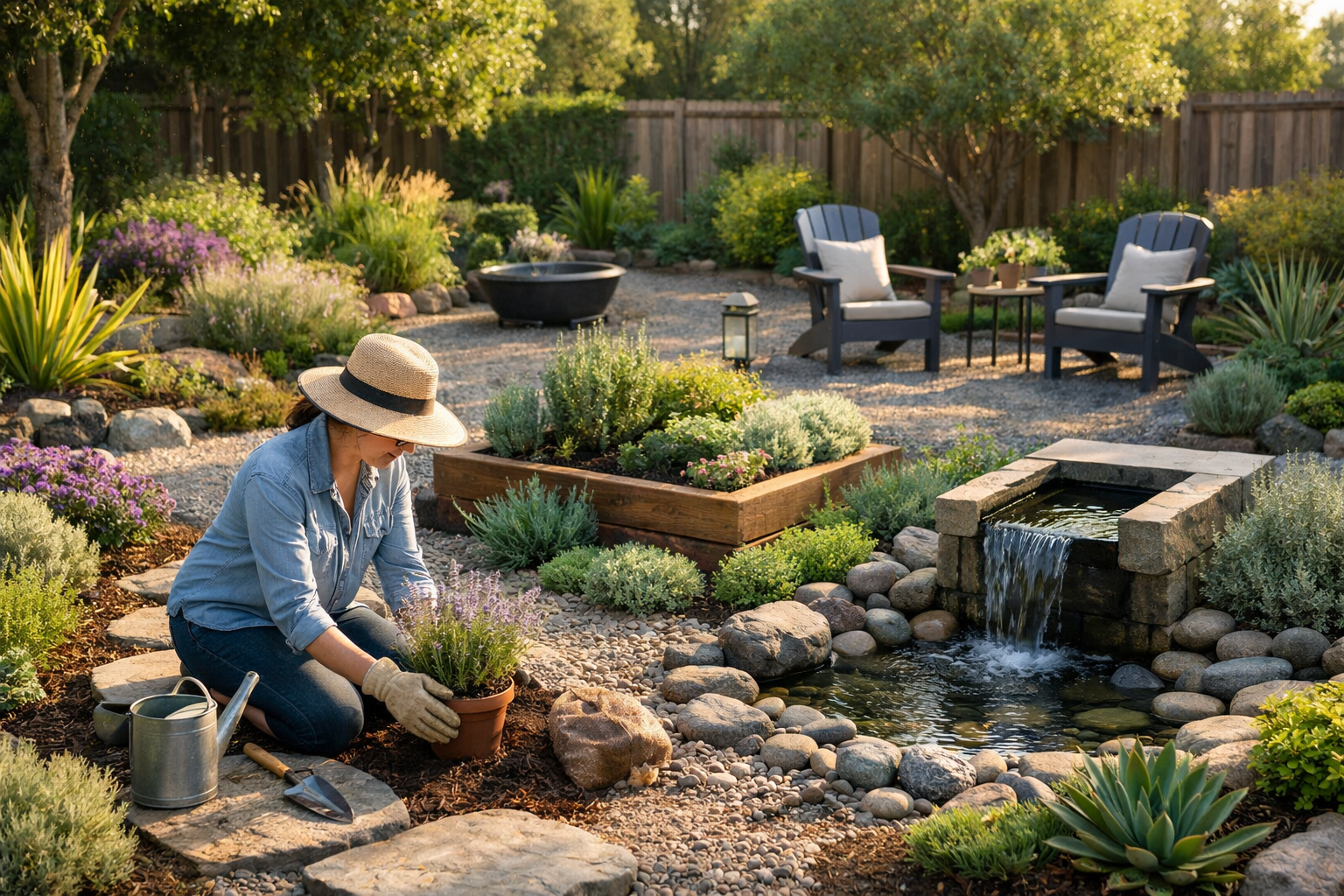
Limit the number of different plant species you use. Repeating the same plants throughout the garden creates a cohesive look and simplifies care routines. When you know exactly how each plant behaves, maintenance becomes predictable and efficient.
Ensure that all areas of your garden are easy to reach. Narrow spaces or hard-to-access corners can quickly become neglected and overgrown. Wide paths and thoughtful spacing make routine tasks like pruning or mulching quicker and less physically demanding.
Use Hardscaping and Automation Wisely
Incorporating hardscape elements is a smart strategy in how to create a low-maintenance garden. Features such as stone paths, gravel areas, and patios reduce the amount of plant care required while adding structure and durability. These elements also help define the garden’s layout and prevent soil erosion.
Gravel and decorative stones are particularly effective for low-maintenance landscapes. They require little upkeep, discourage weeds when installed correctly, and provide excellent drainage. Combined with landscape fabric, gravel areas can remain tidy for years.
Automation can further reduce daily maintenance tasks. Drip irrigation systems deliver water directly to plant roots, minimizing waste and eliminating the need for manual watering. Timers ensure consistent care even when you are busy or away from home.
Maintain With Minimal, Consistent Effort
Even a low-maintenance garden needs some care, but the key is consistency rather than intensity. Understanding how to create a low-maintenance garden means focusing on small, regular tasks instead of large seasonal overhauls. A few minutes each week can prevent bigger problems later.
Prune only when necessary and avoid excessive trimming. Many plants perform better when left to grow naturally, and over-pruning can actually increase maintenance needs. Removing dead or damaged growth occasionally is usually sufficient.
Monitor your garden periodically for early signs of pests or disease. Addressing issues early prevents them from spreading and reduces the need for chemical treatments. A healthy, balanced garden ecosystem often regulates itself with minimal human intervention.
Conclusion
Learning how to create a low-maintenance garden is about working with nature rather than against it. By planning carefully, choosing the right plants, covering soil effectively, and simplifying design choices, you can enjoy a beautiful garden without constant work. With smart strategies and a consistent but minimal care routine, your garden can remain attractive, healthy, and stress-free for years to come.
FAQ
Q: How long does it take to establish a low-maintenance garden? A: Most low-maintenance gardens take one to two growing seasons to fully establish, after which care requirements decrease significantly. Q: Are low-maintenance gardens suitable for small spaces? A: Yes, thoughtful plant selection and simple layouts make low-maintenance gardens ideal for small yards, patios, or urban spaces. Q: Do low-maintenance gardens still need regular watering? A: They require less frequent watering, especially once plants are established, but occasional watering is still necessary during dry periods. Q: Can I convert an existing garden into a low-maintenance one? A: Yes, by replacing high-maintenance plants, adding mulch, and simplifying the layout, existing gardens can become much easier to manage. Q: Is a low-maintenance garden expensive to create? A: Initial costs may vary, but long-term expenses are often lower due to reduced water use, fewer replacements, and minimal upkeep.
