
Maximize Garden Space with Vertical Gardening Strategies
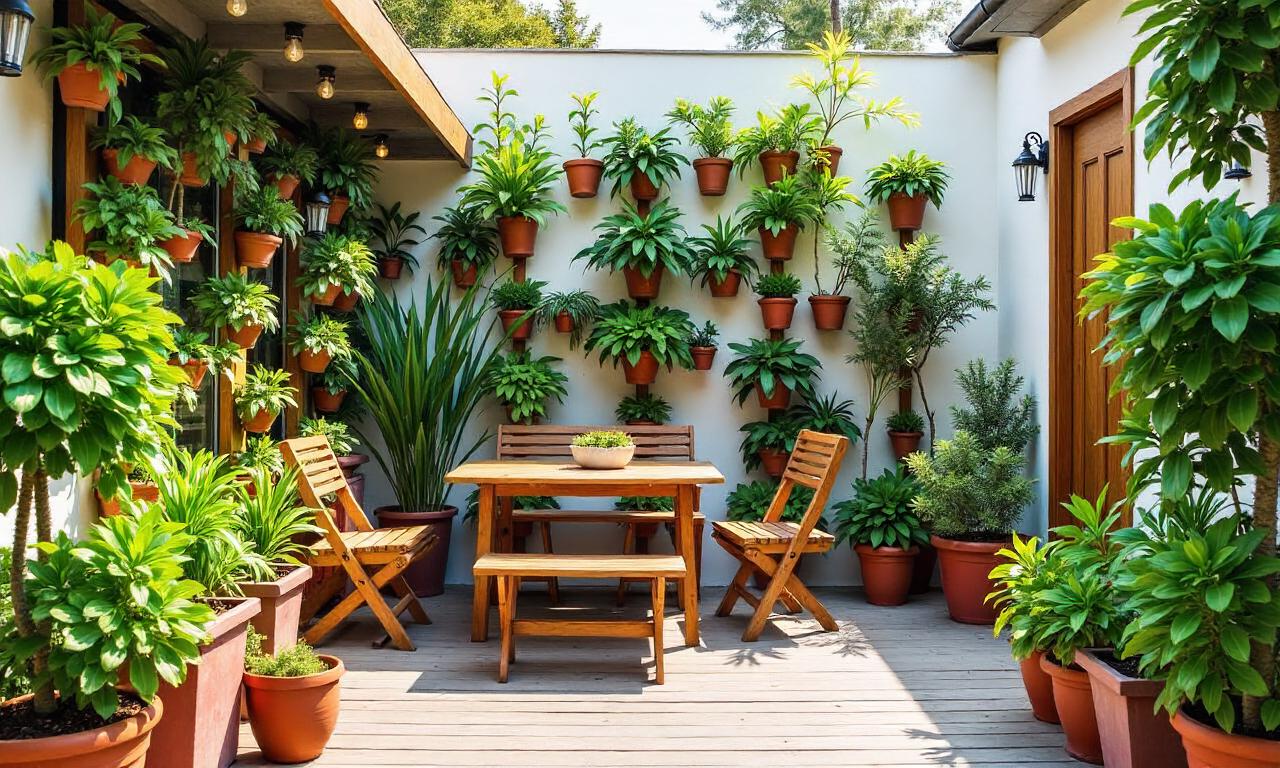
In today’s world, where urban living is becoming increasingly common and land is at a premium, gardeners are constantly seeking innovative ways to make the most of their outdoor spaces. One of the most effective solutions to this challenge is vertical gardening. By utilizing strategies for maximizing garden space with vertical gardening, homeowners and garden enthusiasts can transform limited ground area into a lush, productive oasis. Whether you have a small balcony, a rooftop, or a narrow backyard, vertical gardening offers a space-efficient way to grow vegetables, flowers, and herbs while reducing the need for sprawling plots. This article explores the strategies for maximizing garden space with vertical gardening in detail, from selecting the right methods to maintaining your garden for long-term success.
Understanding the Benefits of Vertical Gardening
Vertical gardening is more than just a trend—it’s a practical and sustainable approach to cultivating plants in limited spaces. One of the most significant advantages is space efficiency. Traditional gardening requires horizontal space, which can be scarce in urban environments. Vertical gardening, on the other hand, allows you to grow plants upward, making use of walls, fences, and trellises. This method not only saves ground space but also helps in creating a more organized and visually appealing garden layout.
Another key benefit is increased yield. By growing plants vertically, you can often harvest more produce in the same amount of space. For example, a single wall-mounted planter can grow multiple rows of crops, such as tomatoes or beans, which would otherwise require a large garden bed. This is particularly useful for gardeners who want to grow a variety of plants without compromising on size.
Additionally, vertical gardening can improve plant health and pest control. Plants grown in vertical systems are often easier to monitor and maintain, as they are more accessible and less prone to being trampled. This also makes it simpler to spot and address issues like pests or diseases early on. Furthermore, vertical gardens can reduce the risk of soil-borne diseases by keeping plants elevated, which minimizes contact with the ground.
Choosing the Right Vertical Gardening Techniques
Selecting the appropriate vertical gardening strategies depends on your available space, the type of plants you want to grow, and your level of expertise. There are several techniques to consider, each with its own advantages and requirements.
Trellises and Supports
Trellises are one of the most common and versatile tools for vertical gardening. They are ideal for climbing plants like beans, cucumbers, and peas. A trellis system can be mounted on a fence, wall, or even a pergola, providing structural support while adding a decorative element to your garden. For strategies for maximizing garden space with vertical gardening, trellises are excellent for saving horizontal space and encouraging healthy plant growth.
To maximize strategies for maximizing garden space with vertical gardening, choose a trellis that is easy to install and durable. For example, wire mesh trellises are great for sturdy climbers like tomatoes, while string trellises are perfect for delicate plants like vining squash. Additionally, consider using self-supporting trellises for added convenience, especially if you have limited access to walls or fences.
Wall Planters and Greenwalls
Wall planters are a fantastic option for strategies for maximizing garden space with vertical gardening, especially in areas with limited ground space. These systems can be built into existing walls or attached using brackets, allowing you to grow a variety of plants in a compact area. For strategies for maximizing garden space with vertical gardening, wall planters are ideal for herbs, succulents, and even small vegetables.
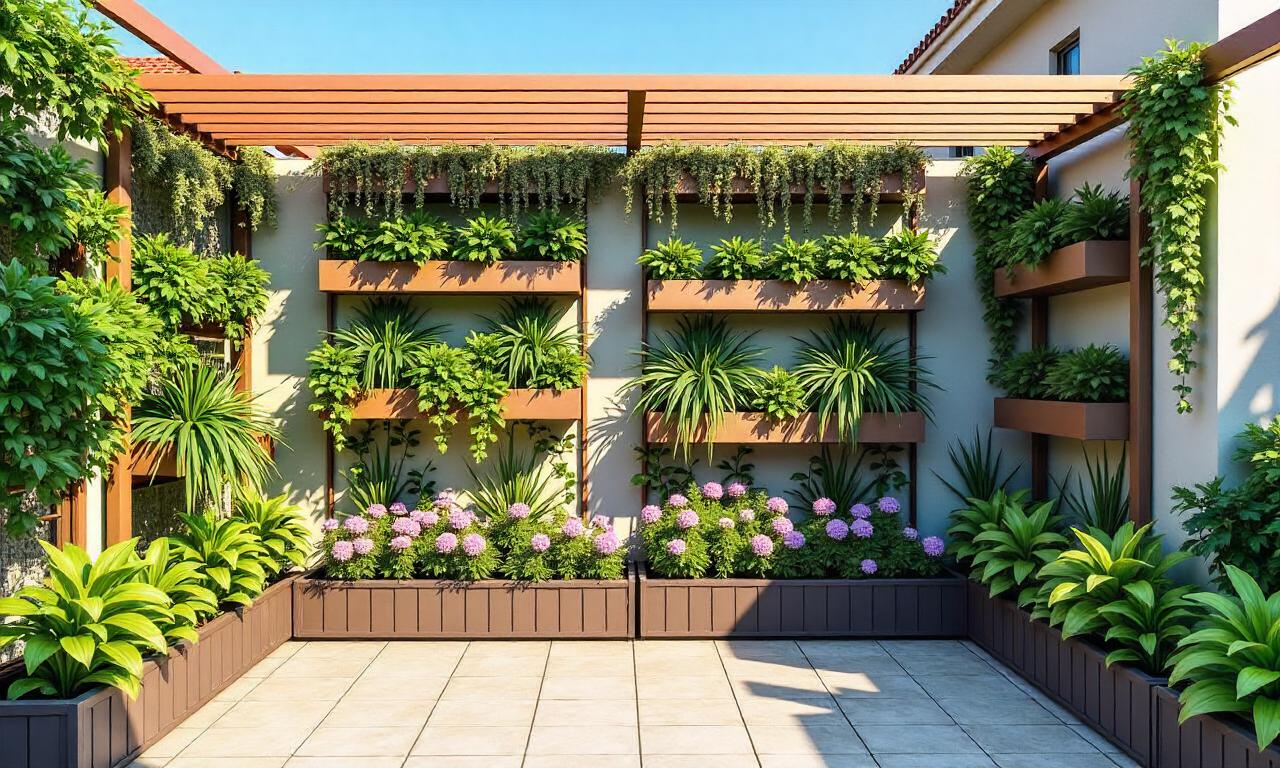
Greenwalls, which are vertical gardens made up of multiple planters or panels, are another effective method. They can be installed on large walls or even indoors, making them a great choice for strategies for maximizing garden space with vertical gardening. Greenwalls not only save space but also provide natural insulation and improve air quality. To get started, consider using modular planters that can be easily rearranged or expanded as needed.
Hanging Baskets and Elevated Planters
Hanging baskets are a space-saving solution that can be used to grow flowers, herbs, and small fruit plants like strawberries. These baskets are suspended from ceilings, eaves, or pergolas, allowing you to utilize areas that are otherwise unused. For strategies for maximizing garden space with vertical gardening, hanging baskets are particularly useful for high-traffic areas or areas with limited sunlight, as they can be positioned to receive optimal light exposure.
Elevated planters, such as deck planters or window boxes, are another excellent option. They are especially popular for balconies and patios, where space is at a premium. To maximize strategies for maximizing garden space with vertical gardening, ensure that your elevated planters have proper drainage and are made from materials that can withstand the elements. Additionally, choose plants that are well-suited for container growth, such as succulents, marigolds, or peppers.
Vertical Planters and Grow Towers
For strategies for maximizing garden space with vertical gardening, grow towers are a highly effective solution. These vertical systems consist of stacked planting compartments, allowing you to grow a variety of plants in a compact space. Grow towers are ideal for space-conscious gardeners who want to grow vegetables like lettuce, kale, and spinach without using a large amount of ground area.
Vertical planters, which can be freestanding or wall-mounted, are also a great option. They are often used for indoor gardening or small outdoor spaces, as they can be placed in corners or against walls. When selecting vertical planters, consider the weight capacity, watering system, and light requirements of your plants. For example, self-watering vertical planters are perfect for low-maintenance gardeners, while hand-watered systems may be better suited for those who prefer more control over their plants’ care.
Designing an Efficient Vertical Garden Layout
Creating an effective vertical garden layout requires careful planning and consideration of factors like sunlight, plant spacing, and watering needs. A well-designed layout can ensure that your strategies for maximizing garden space with vertical gardening are both functional and aesthetically pleasing.
Optimizing Sunlight Exposure
Sunlight is a critical factor in the success of any garden, and vertical gardening strategies should take this into account. When designing your vertical garden, position it to receive adequate sunlight based on the plants you want to grow. For example, sun-loving plants like tomatoes and peppers should be placed in areas with full sun, while shade-tolerant plants like ferns and hostas can thrive in partially shaded spots.
To maximize strategies for maximizing garden space with vertical gardening, consider using rotating planters or adjustable systems that allow you to reposition plants as needed. This ensures that all plants receive equal light exposure and grow uniformly.
Grouping Plants by Needs
Grouping plants with similar watering requirements and growth habits can streamline your vertical gardening strategies. For example, succulents and ornamental grasses require less water and can be grouped together in a single vertical planter, while vegetables and herbs may need more frequent irrigation.
By strategies for maximizing garden space with vertical gardening, you can also create diverse plant layers. For instance, place tall plants like beans or tomatoes at the top of a trellis, while shorter plants like lettuce or spinach can be planted at the base. This creates a natural hierarchy and prevents overcrowding, which can lead to competition for resources.
Using Modular Systems for Flexibility
Modular vertical gardening systems are a great choice for strategies for maximizing garden space with vertical gardening, as they offer flexibility and scalability. These systems consist of individual planters or panels that can be added or removed as needed, allowing you to customize your garden based on your preferences and space constraints.
For example, modular wall planters can be arranged in a way that suits your garden’s structure, while modular grow towers can be expanded vertically to accommodate more plants. This flexibility makes strategies for maximizing garden space with vertical gardening adaptable to changing seasons or plant needs.
Incorporating Aesthetic Elements
While functionality is essential, the aesthetic appeal of your vertical garden should not be overlooked. Strategies for maximizing garden space with vertical gardening can be enhanced by incorporating decorative elements like potted plants, flowering vines, or shrubbery. For instance, vertical planters with flowering herbs like lavender or rosemary can add color and fragrance to your outdoor space.
To create a visually cohesive design, consider using color coordination and textural contrasts. For example, pair green foliage with bright flowers or dramatic shrubs to add depth and interest. Additionally, vertical gardens can be used to hide unsightly structures or define garden zones, making them a versatile tool for strategies for maximizing garden space with vertical gardening.
Maintaining and Optimizing Your Vertical Garden
A well-planned vertical garden is only as good as its maintenance. Regular care and optimization are essential to ensure that your strategies for maximizing garden space with vertical gardening remain productive and healthy.
Watering Techniques
Watering a vertical garden can be more efficient than traditional methods. Self-watering systems are ideal for strategies for maximizing garden space with vertical gardening, as they reduce the need for manual watering and ensure consistent moisture levels. For example, drip irrigation or capillary mats can be used to deliver water directly to the roots, minimizing waste and overwatering.
However, vertical gardening strategies also require careful monitoring of watering needs. Plants in elevated or wall-mounted systems may dry out faster than those in ground beds, so it’s important to check soil moisture regularly. Consider using watering schedules that are tailored to the specific plants you’re growing, and invest in durable irrigation systems to prevent leaks and ensure even distribution.
Pruning and Training Plants
Pruning is a crucial vertical gardening strategy that helps maintain plant health and productivity. By strategies for maximizing garden space with vertical gardening, you can guide plant growth in the desired direction, ensuring that vines and climbers have enough support and don’t overcrowd other plants.
For example, pruning tomato plants regularly can encourage more fruit production and prevent them from sprawling across the ground. Similarly, training beans to grow along a trellis can help them develop stronger stems and maximize yield. To optimize your vertical garden, invest in tools like pruning shears or garden ties that make this process easier and more efficient.
Pest Control and Disease Management
Vertical gardens can be more vulnerable to pests and diseases if not properly maintained. Strategies for maximizing garden space with vertical gardening should include preventive measures like regular inspections, organic pest control, and proper spacing.
For instance, using companion planting—where certain plants are grown together to repel pests or enhance growth—can be a cost-effective solution. Marigolds are often used to deter aphids and whiteflies, while basil can repel mosquitoes. Additionally, vertical gardening strategies should involve cleaning tools and planters regularly to prevent the spread of disease.
Seasonal Adjustments and Expansion
As seasons change, your vertical gardening strategies may need to be adjusted. For example, winter-hardy plants like evergreens or winter squash can be used to extend the growing season, while summer blooms like sunflowers or geraniums can brighten up your garden.
To maximize garden space over time, consider expanding your vertical garden by adding new planters or upgrading your system. For instance, adding a second layer to a wall planter or installing a vertical grow tower can help you grow more plants without taking up additional ground space. Strategies for maximizing garden space with vertical gardening should also include planning for seasonal changes, such as covering plants in harsh weather or rotating crops to prevent soil depletion.
Conclusion
Strategies for maximizing garden space with vertical gardening offer a versatile and efficient way to grow plants in limited spaces. By choosing the right techniques, designing a functional layout, and maintaining your garden with care, you can create a productive and beautiful outdoor space. Whether you’re looking to grow vegetables, add decorative elements, or maximize your yard’s potential, vertical gardening is a smart investment that benefits both the environment and your gardening experience. With planning, patience, and the right tools, you can transform your garden into a space-saving paradise that thrives year-round.
