
Practical Tips for Sustainable Gardening Practices
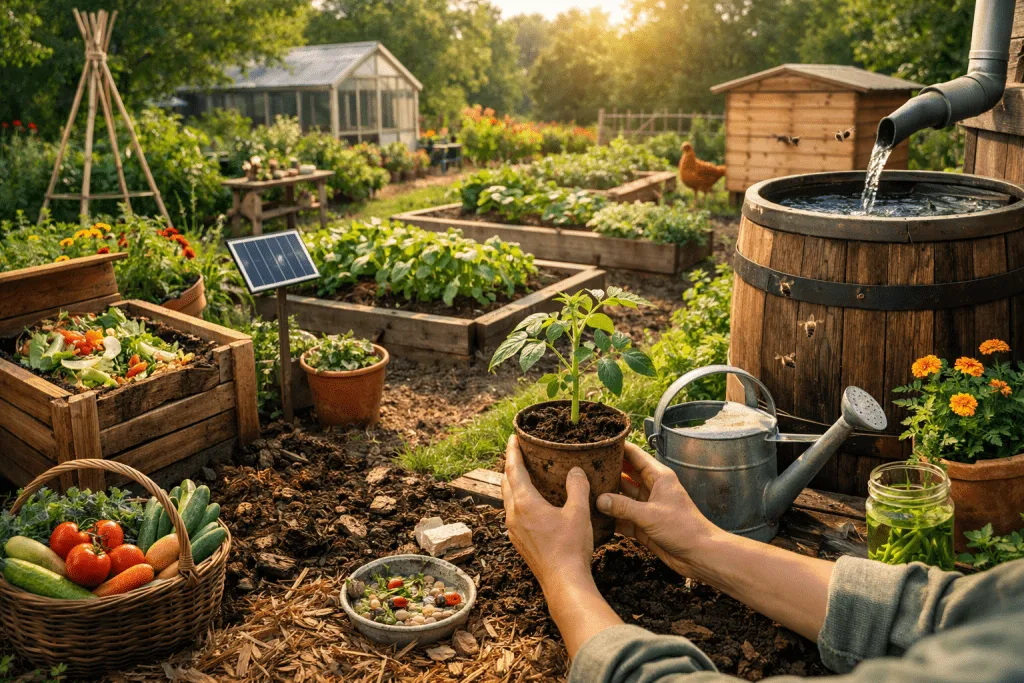
Sustainable gardening is about growing healthy plants while reducing waste, conserving water, protecting soil, and supporting local biodiversity. If you are searching for tips for sustainable gardening practices, you likely want methods that are realistic, affordable, and easy to apply in a home garden. The good news is that sustainability does not require expensive equipment or perfect conditions. It starts with smarter choices in soil care, water use, plant selection, and everyday maintenance.
A sustainable garden can still be beautiful, productive, and low-maintenance. It can also reduce your household footprint by cutting down on chemical inputs, unnecessary watering, and landfill waste. The most effective approach is to focus on a few core habits that create long-term improvements. Once these habits are in place, your garden becomes easier to manage and more resilient over time.
Build Healthy Soil First (Because Soil Is the System)
Soil health is the foundation of sustainable gardening because it controls water retention, plant nutrition, and resistance to pests. Instead of relying on synthetic fertilizers, focus on building soil structure and microbial life. Healthy soil reduces the need for constant feeding and makes plants stronger naturally. This is one of the most overlooked tips for sustainable gardening practices, yet it delivers the biggest results.
Start by adding compost regularly, even if it is only a thin layer once or twice per year. Compost improves soil texture, increases beneficial microbes, and helps soil hold moisture. It also reduces kitchen and yard waste, which directly supports sustainability. If you do not have compost yet, you can begin with a simple bin or a covered pile.
Avoid digging too often because frequent disturbance damages soil structure and breaks fungal networks. Instead, use a no-dig or low-dig method where you top-dress with compost and let worms and microbes do the work. Over time, soil becomes softer and more fertile without heavy labor. This also reduces erosion.
Mulching is another critical step. Organic mulch such as shredded leaves, straw, or wood chips protects soil from heat and evaporation. It also suppresses weeds, reducing the need for herbicides or constant pulling. As mulch breaks down, it becomes slow-release organic matter.
Save Water With Smart, Consistent Habits
Water conservation is a key goal in sustainable gardening, especially in areas with dry seasons or water restrictions. The biggest mistake is watering frequently in small amounts, which encourages shallow roots. Deep, less frequent watering helps plants develop strong root systems. Strong roots reduce water demand in the long run.
Use drip irrigation or soaker hoses instead of overhead sprinklers. These systems deliver water directly to the root zone with minimal evaporation. They also reduce leaf wetness, which lowers the risk of fungal disease. If drip systems feel too technical, even a basic soaker hose is a strong upgrade.
Water early in the morning whenever possible. Morning watering reduces evaporation and gives leaves time to dry before night. This helps prevent mildew and other moisture-related problems. Evening watering is still better than midday watering, but morning is ideal.
Mulch supports water conservation more than most people realize. A mulched bed can reduce evaporation dramatically. It also prevents soil from crusting and improves infiltration when you water. This is one of the most practical tips for sustainable gardening practices because it is simple and low-cost.
Rainwater harvesting can also help if it is legal in your area. A rain barrel connected to a downspout provides free water for containers and small beds. Even a single barrel can make a difference during warm months. The most sustainable water is the water you do not need to use.
Choose Plants That Naturally Thrive in Your Conditions
Plant choice is one of the fastest ways to make your garden more sustainable. If you plant species that struggle in your climate, you will constantly fight problems with water, pests, and nutrient deficiencies. Sustainable gardening is easier when plants are naturally adapted to local conditions. This reduces inputs and increases long-term success.
Prioritize native plants whenever possible. Native species support local pollinators and wildlife, and they often require less watering once established. They are also better suited to local soils and weather patterns. Even adding a few native plants can significantly increase biodiversity.
If you grow vegetables, choose varieties known to perform well in your region. Look for disease-resistant cultivars, especially for tomatoes, cucumbers, squash, and peppers. Disease resistance reduces the need for chemical sprays. It also prevents crop loss and frustration.
Group plants by water needs. This is sometimes called hydrozoning, and it helps you water efficiently. Drought-tolerant plants can be placed together in one area, while thirstier plants stay in another. This prevents overwatering and wasted effort.
Perennials are often more sustainable than annuals because they do not require replanting every year. They also build deeper roots and improve soil stability. Examples include herbs like rosemary and thyme, fruit bushes, and many flowering plants. Perennials also reduce the need for constant soil disturbance.
Reduce Chemicals With Integrated Pest Management
Sustainable gardening avoids routine chemical spraying because it harms beneficial insects and can damage soil life. Instead, focus on Integrated Pest Management (IPM), which means preventing problems first and responding with the least harmful method when needed. This approach is practical, realistic, and effective. It also helps your garden reach a healthier natural balance.
Start with prevention by keeping plants strong through soil health and proper watering. Stressed plants are more vulnerable to pests. Over-fertilizing can also increase pest issues by producing soft, overly tender growth. Balanced growth is harder for pests to exploit.
Encourage beneficial insects such as ladybugs, lacewings, hoverflies, and parasitic wasps. You can do this by planting nectar-rich flowers like dill, yarrow, alyssum, and calendula. A garden with diverse flowers supports predator insects naturally. This is one of the most underrated tips for sustainable gardening practices because it reduces pest pressure without any chemicals.
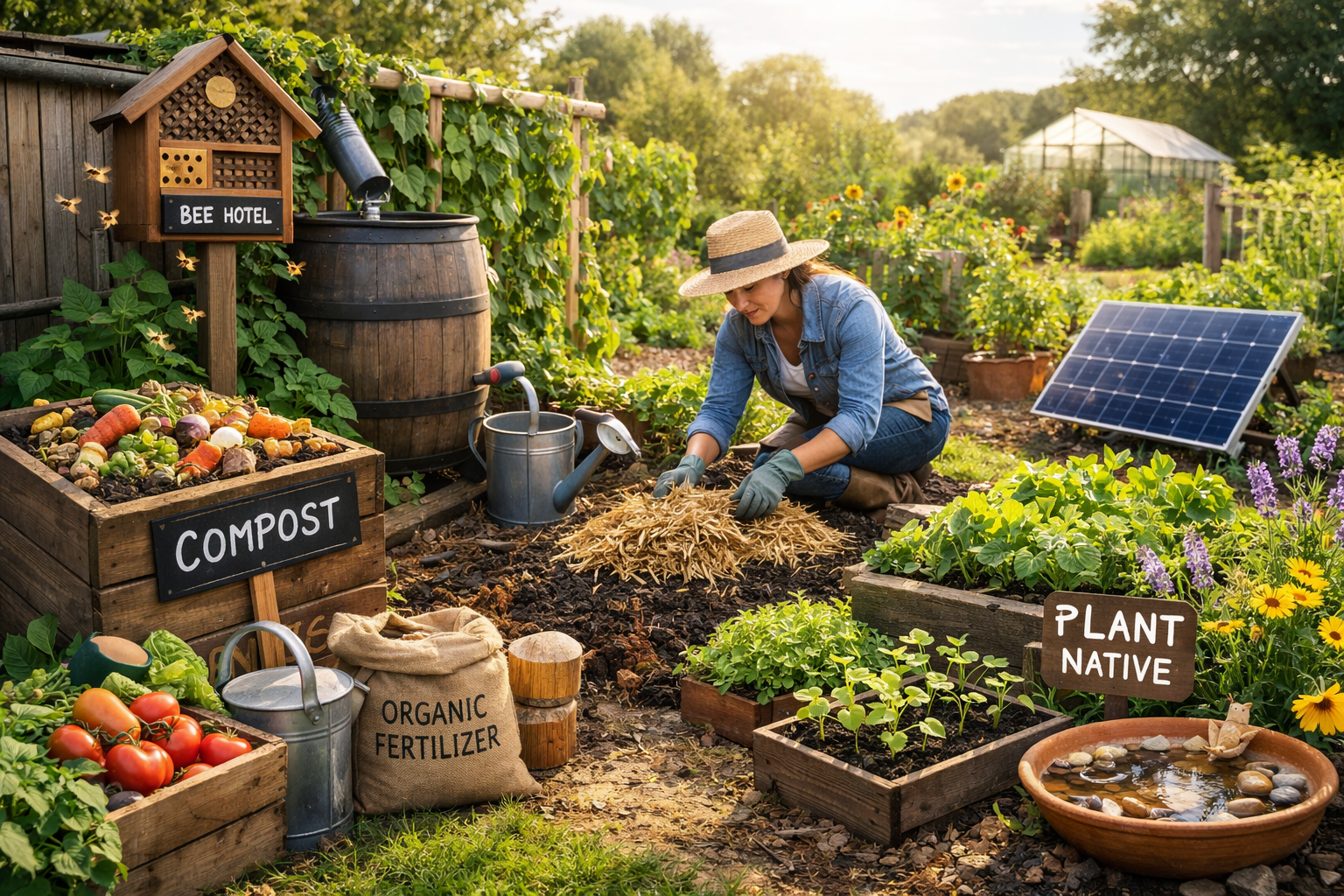
When pests appear, use targeted methods first. Hand-picking, pruning damaged leaves, or spraying a strong jet of water can solve many issues. If you need a treatment, use low-impact options like insecticidal soap or neem only when necessary. Avoid broad-spectrum pesticides because they kill beneficial insects and can make pest problems worse later.
Weeds can be managed sustainably with mulch, ground covers, and regular light maintenance. The goal is not a weed-free garden but a garden where weeds are controlled without constant chemical intervention. Over time, weed pressure usually decreases as soil is covered and healthy. Sustainable weed control is mostly about consistency.
Compost, Reuse, and Cut Down Garden Waste
A sustainable garden is not only about what you grow, but also how you manage materials. The more you can keep organic matter in the garden system, the less you send to landfills. Composting is the central habit that turns waste into fertility. It also reduces the need to buy bagged soil amendments.
Kitchen scraps like vegetable peels, coffee grounds, and eggshells can become compost. Yard waste like leaves, grass clippings, and small branches can also be composted. The key is balancing “greens” and “browns” so the pile breaks down efficiently. Even imperfect composting is better than throwing organic waste away.
Reuse materials whenever possible. Old containers can become planters, cardboard can become weed barriers under mulch, and fallen leaves can become leaf mold. This reduces cost and prevents unnecessary purchases. Sustainability often looks like resourcefulness.
Avoid peat-based products if you can. Peat extraction damages ecosystems and releases stored carbon. Instead, look for compost-based soil mixes or coconut coir as a partial alternative. This is a direct, meaningful way to reduce environmental impact.
If you prune branches or remove plants, consider making a simple brush pile in a corner of the yard if space allows. Brush piles provide habitat for beneficial insects and small wildlife. They also reduce the need to haul materials away. Sustainable gardens often support life beyond plants.
Create a Garden That Supports Biodiversity
Biodiversity is a major sustainability goal because it makes your garden more resilient. A garden with diverse plants attracts pollinators, predator insects, and birds that help keep pests under control. It also improves overall ecosystem health. Even small gardens can become valuable habitat.
Plant a mix of flowering plants that bloom at different times. This ensures pollinators have food throughout the growing season. Include early bloomers, mid-season flowers, and late-season plants. A steady supply of nectar and pollen supports stronger pollinator populations.
Provide water sources for wildlife, such as a shallow dish with stones for insects to land on. Even a small water source can help during hot months. Keep it clean and refill regularly. This is a simple but effective sustainability step.
Avoid monocultures, especially in vegetable beds. Instead, rotate crops and mix plant families. Crop rotation reduces disease buildup in soil and helps manage pests. Companion planting can also improve pollination and reduce pest pressure.
If you have space, plant at least one tree or shrub. Trees provide shade, habitat, and carbon storage. Shrubs can provide berries and shelter for birds. Long-term plantings are one of the strongest investments in sustainability.
Conclusion
Sustainable gardening becomes practical when you focus on soil health, water efficiency, climate-appropriate plants, and low-chemical pest control. The most reliable tips for sustainable gardening practices are the ones that reduce inputs while improving long-term resilience. Start with compost, mulch, and better watering habits, then expand into biodiversity and waste reduction. Over time, your garden will require less effort, fewer resources, and deliver stronger results.
FAQ
Q: What are the easiest tips for sustainable gardening practices for beginners? A: Start with composting, mulching, and watering deeply but less often. These three steps improve soil, reduce weeds, and cut water waste.
Q: How can I make my garden sustainable without spending a lot of money? A: Use free materials like fallen leaves for mulch, kitchen scraps for compost, and reuse containers. Sustainability often depends more on habits than equipment.
Q: Are native plants always better for sustainable gardening? A: In most cases, yes, because native plants are adapted to local conditions and support local pollinators. However, well-chosen non-invasive plants can also be sustainable if they require low inputs.
Q: How do I reduce pests without using chemical pesticides? A: Use Integrated Pest Management by keeping plants healthy, encouraging beneficial insects, and applying targeted treatments only when necessary.
Q: Does sustainable gardening work for vegetable gardens too? A: Yes, especially with compost, crop rotation, mulch, and drip watering. These practices improve yields while reducing fertilizer, pesticide, and water needs.
