
Steps to Build a Garden Shed from Scratch: A Complete Guide
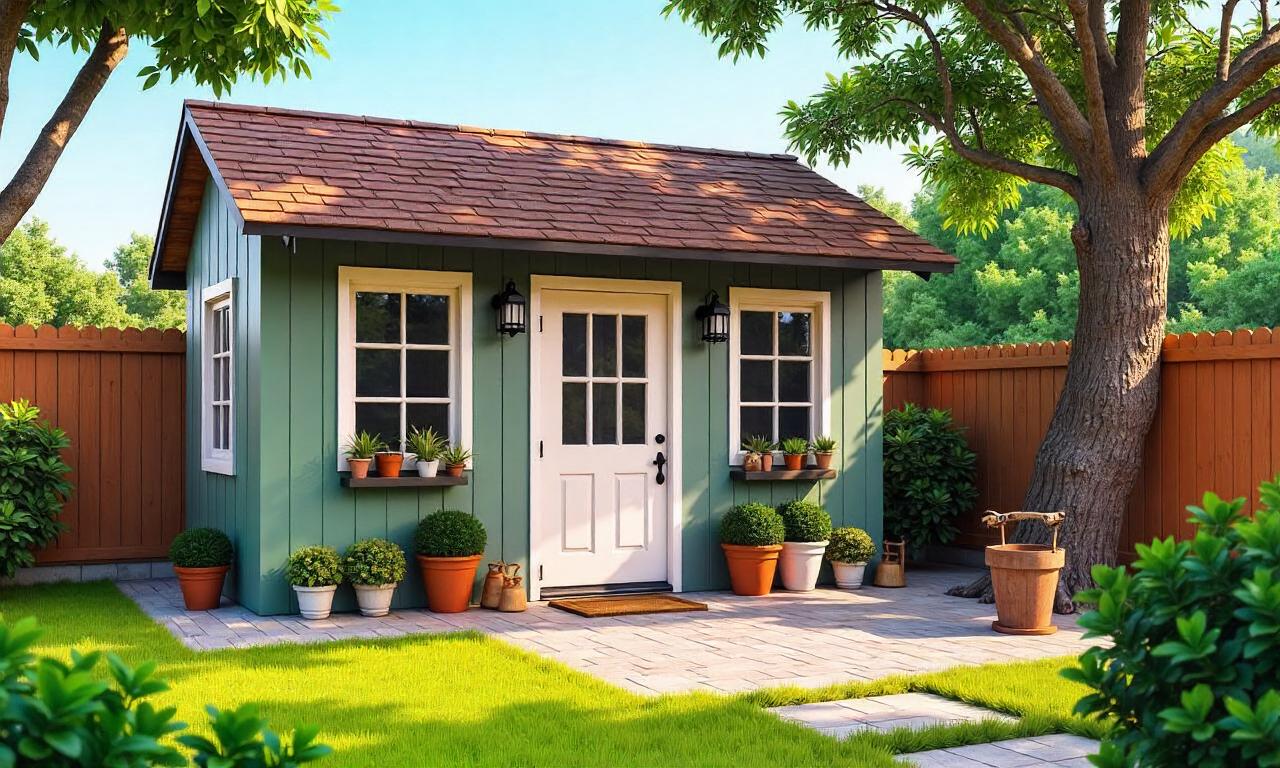
Building a garden shed from scratch is a rewarding DIY project that not only adds functional storage space to your property but also offers a sense of accomplishment. Whether you need extra room for tools, gardening equipment, or seasonal items, a well-constructed garden shed can be a versatile addition to your outdoor area. While the steps to build a garden shed from scratch may seem daunting, breaking them down into manageable phases ensures a smoother process. This article provides a complete guide to help you plan, prepare, and construct your own garden shed step by step, covering everything from site selection to the final touches.
Section 1: Planning and Designing Your Garden Shed
Before you begin the steps to build a garden shed from scratch, it’s essential to plan thoroughly. A well-designed garden shed should meet your specific needs while considering practical aspects like size, location, and materials. Start by determining the purpose of the shed—will it store gardening tools, serve as a workshop, or house outdoor equipment? This will guide your design decisions.
Choosing the Right Location
Selecting the ideal spot for your garden shed is crucial. Look for a level area with good drainage to prevent water accumulation. Avoid placing it under trees or near structures that could damage the shed over time. Consider factors like sunlight exposure, accessibility, and proximity to utilities. For example, if you need to connect electricity, ensure the location is close to an outdoor outlet or your home’s main circuit.
Designing the Layout
Sketch a rough layout of your garden shed to visualize the space. Decide on the dimensions based on your storage requirements. A typical size is 6×8 feet, but you can customize it to fit your needs. Include features like windows for natural light, a door for easy access, and a roof type (gable or shed-style) that suits your climate. Remember to factor in ventilation and insulation if the shed will be used year-round.
Selecting Materials
Choose materials that are durable, weather-resistant, and budget-friendly. Common options include pressure-treated wood for the frame, metal for the roof, and composite decking for the floor. Consider the local climate—metal sheds are ideal for rainy areas, while wood offers a classic aesthetic. Research the pros and cons of each material to make an informed decision.
Section 2: Preparing the Site and Foundation
Once your design is finalized, the next step is to prepare the site and lay a solid foundation. This ensures your garden shed remains stable and protected from the elements. Start by clearing the area of debris, grass, and any obstacles. Use a shovel or tiller to level the ground, as an uneven base can lead to structural issues later.
Marking the Shed’s Outline
Before digging, mark the shed’s outline on the ground using stakes and string. This helps you visualize the boundaries and ensures accurate measurements during construction. Measure twice and cut once to avoid mistakes. If the shed is large, consider hiring a helper to keep the lines straight and even.
Digging the Foundation
The foundation is critical for the shed’s longevity. For a basic structure, build a gravel base to improve drainage and prevent moisture buildup. If you want a more permanent foundation, dig a concrete slab or use poured concrete footings. The depth of the foundation depends on the soil type and local building codes. Check with your municipality to ensure compliance with regulations.
Installing the Foundation
After preparing the base, install the foundation. If using gravel, lay a layer of compacted gravel about 4 inches thick, then add a layer of sand for leveling. For concrete footings, pour the mix and let it cure for at least 24 hours. Place wooden blocks or bricks at the corners to elevate the shed slightly, allowing for proper airflow and reducing dampness.
Section 3: Constructing the Frame and Walls
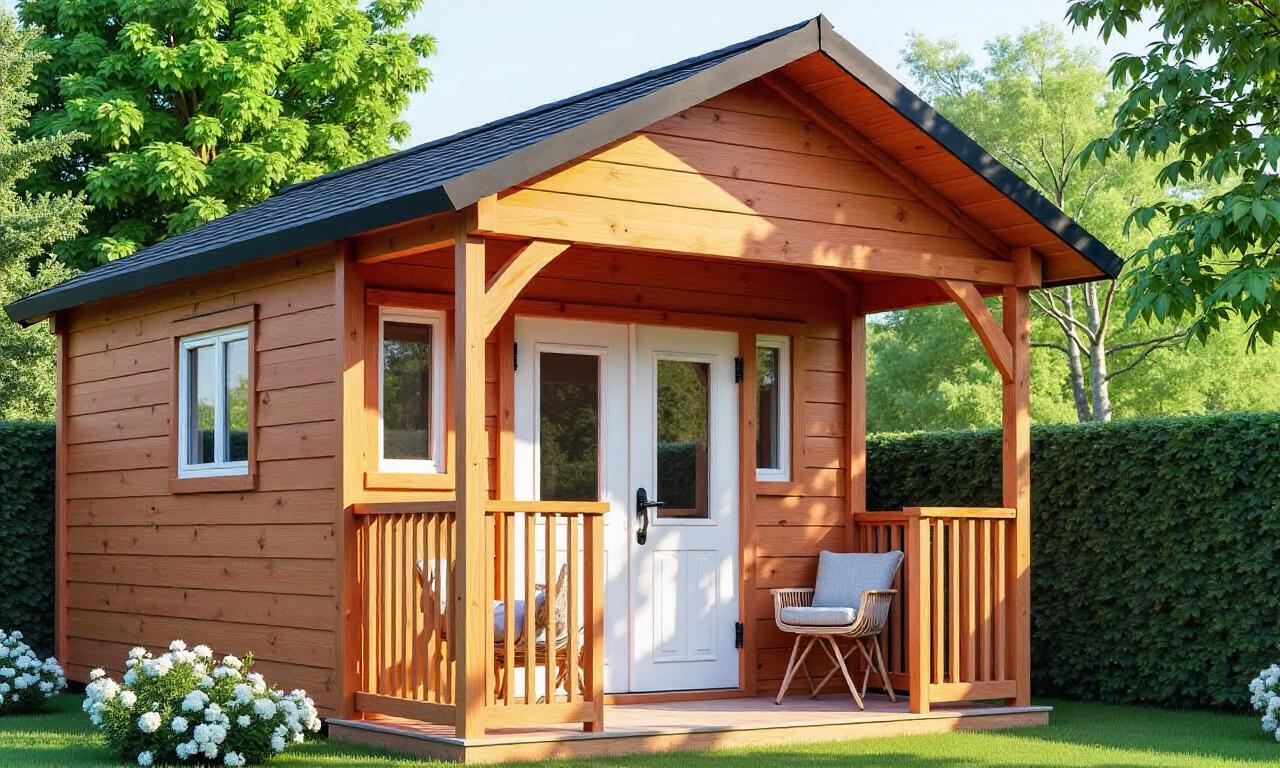
With the foundation in place, it’s time to construct the frame and walls of your garden shed. This phase requires precision and attention to detail to ensure the structure is sturdy and properly aligned. Start by assembling the shed frame using the materials you’ve selected.
Assembling the Frame
The shed frame forms the skeleton of your structure. Lay the floor joists on the foundation, securing them with screws or nails. Attach the wall studs vertically, spacing them 16 inches apart for stability. Use a level to check that the frame is straight and plumb. Once the frame is complete, install the floor panels, ensuring they fit snugly between the joists.
Building the Walls
Construct the walls by attaching the siding or paneling to the frame. For a classic look, use pressure-treated wood panels, while for a modern feel, consider vinyl or metal cladding. Secure the walls with screws and nails, making sure they are tight and free of gaps. Add insulation between the panels if you plan to use the shed in colder climates, which will help retain heat and reduce condensation.
Adding the Roof
The roof is a vital component of your garden shed. Choose between a gable roof (two sloped sides meeting at a ridge) or a shed roof (single slope). Cut the roof boards to fit the shed’s dimensions and secure them to the frame using nails or screws. Install a roofing material like asphalt shingles, metal, or composite tiles, ensuring proper waterproofing. Check the roof’s slope to allow rainwater to drain efficiently.
Section 4: Finishing Touches and Finalizing the Shed
After the frame, walls, and roof are in place, it’s time to add the finishing touches that will enhance the shed’s appearance and functionality. This includes installing doors, windows, and finishing materials to protect the structure and make it weatherproof.
Installing the Door
A door is essential for accessing your garden shed. Measure the doorway and cut the door frame to fit, then attach it to the wall studs using screws. Choose a door type based on your needs—sliding doors are space-efficient, while hinged doors offer a traditional look. Install a weatherstripping seal around the door to prevent drafts and water leakage.
Adding Windows and Ventilation
Windows provide natural light and ventilation, making the shed more comfortable. Cut the openings in the walls and install vinyl or wood windows using a frame. Ensure the windows are properly sealed to prevent moisture damage. Consider adding vents or a small roof vent for improved airflow, especially if the shed will be used as a workspace.
Painting and Sealing
To protect your garden shed from the elements, apply a coat of paint or stain. Choose weather-resistant paints or stains, and apply them evenly to all surfaces. Use a brush or roller for larger areas and a small brush for corners and edges. Allow the paint to dry completely before adding additional layers or sealants. This step not only prolongs the shed’s lifespan but also gives it a polished look.
Final Inspection and Setup
Before declaring your garden shed complete, inspect all components for stability and alignment. Check that the roof is properly sealed, the walls are secure, and the door and windows function smoothly. Add any finishing touches like a porch, garden beds, or lighting. This ensures your garden shed is ready for use and provides a welcoming space for your tools or items.
Conclusion
Building a garden shed from scratch requires careful planning, precise execution, and attention to detail. By following the steps to build a garden shed from scratch outlined in this guide, you can create a durable and functional structure that meets your needs. From selecting the right location and designing the layout to constructing the frame and adding finishing touches, each phase plays a critical role in the final result. Whether you’re a seasoned DIY enthusiast or a beginner, this complete guide offers clear instructions to help you succeed. With patience and the right tools, your garden shed will be a valuable addition to your outdoor space, offering storage, shelter, and a sense of accomplishment. Start today and turn your vision into a reality!
