
Steps to Improve Home Energy Efficiency and Cut Power Bills
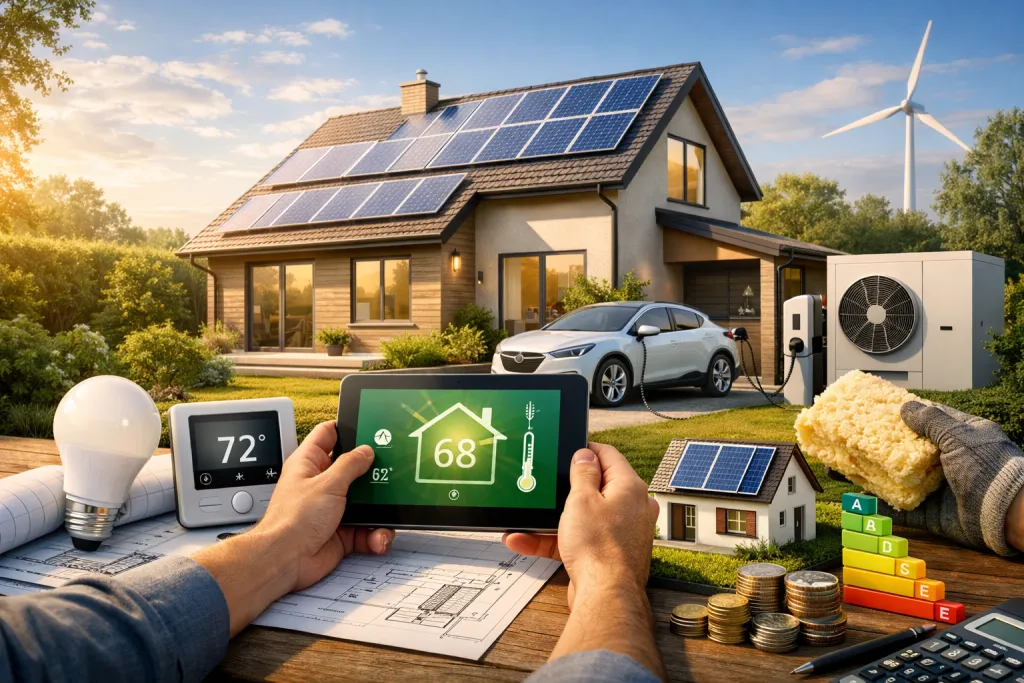
Improving energy efficiency at home is no longer just an environmental concern. It is a practical strategy to reduce monthly expenses, increase comfort, and protect long-term property value. Many homeowners search for clear and actionable steps to improve home energy efficiency because small, targeted changes can lead to significant reductions in power bills without sacrificing daily convenience.
Energy waste often comes from outdated systems, poor insulation, and inefficient habits rather than excessive energy use alone. By understanding where energy is lost and how it can be controlled, households can make smarter decisions. The following guide explains structured and realistic steps to improve home energy efficiency, focusing on measurable results and long-term impact.
Assess Current Energy Usage and Identify Waste
The first step in improving efficiency is understanding how energy is currently used. Utility bills provide a baseline, showing seasonal trends and spikes in consumption. A professional or DIY home energy audit can reveal inefficiencies that are not visible, such as air leaks, poor insulation, or aging appliances.
An energy audit typically evaluates heating and cooling systems, windows, doors, lighting, and major appliances. Many power companies offer low-cost or free audits, making this an accessible starting point. Identifying problem areas allows homeowners to prioritize improvements that deliver the highest return.
Tracking energy usage with smart meters or monitoring tools can also help. These tools show real-time consumption patterns and highlight behaviors that increase power usage. Awareness is a critical foundation for effective energy-saving decisions.
Upgrade Insulation and Seal Air Leaks
Poor insulation is one of the largest contributors to energy loss in residential buildings. Heat escapes during cold months and enters during warm months through walls, roofs, and floors. Upgrading insulation in attics, basements, and crawl spaces significantly improves thermal performance.
Air leaks around windows, doors, and vents also undermine efficiency. Simple measures like weatherstripping, caulking, and sealing gaps can reduce heating and cooling losses immediately. These fixes are low-cost but highly effective.
High-performance windows or double-glazed glass provide additional benefits, especially in older homes. While replacement costs are higher, the long-term savings and improved indoor comfort often justify the investment. Insulation and sealing are essential steps to improve home energy efficiency with lasting results.
Optimize Heating, Cooling, and Ventilation Systems
Heating and cooling systems account for a large share of household energy consumption. Older HVAC systems tend to operate inefficiently, consuming more power to deliver less comfort. Replacing outdated units with energy-efficient HVAC systems can reduce energy use by 20–40 percent.
Regular maintenance is equally important. Cleaning filters, checking ducts for leaks, and servicing equipment annually ensures optimal performance. Poorly maintained systems work harder and use more energy than necessary.
Smart thermostats add another layer of control. They adjust temperatures based on occupancy and daily routines, reducing waste during inactive hours. Optimizing climate control is one of the most impactful steps to improve home energy efficiency in both short and long terms.
Switch to Energy-Efficient Appliances and Lighting
Household appliances run daily and collectively consume a substantial amount of electricity. Replacing old refrigerators, washing machines, and dishwashers with energy-efficient models significantly reduces power usage. Appliances with high efficiency ratings use advanced technology to deliver the same performance with less energy.
Lighting is another area with immediate savings potential. LED bulbs consume far less electricity than incandescent or halogen options and last much longer. Switching an entire home to LED lighting can reduce lighting-related energy costs by up to 80 percent.
Power management also matters. Unplugging idle electronics or using smart power strips prevents standby energy loss. These small adjustments compound over time and support broader energy efficiency goals.
Improve Water Heating and Reduce Hot Water Waste
Water heating is often overlooked, yet it represents a major portion of household energy use. Traditional water heaters operate continuously, even when hot water is not needed. Upgrading to energy-efficient water heaters, such as heat pump or tankless systems, reduces unnecessary energy consumption.
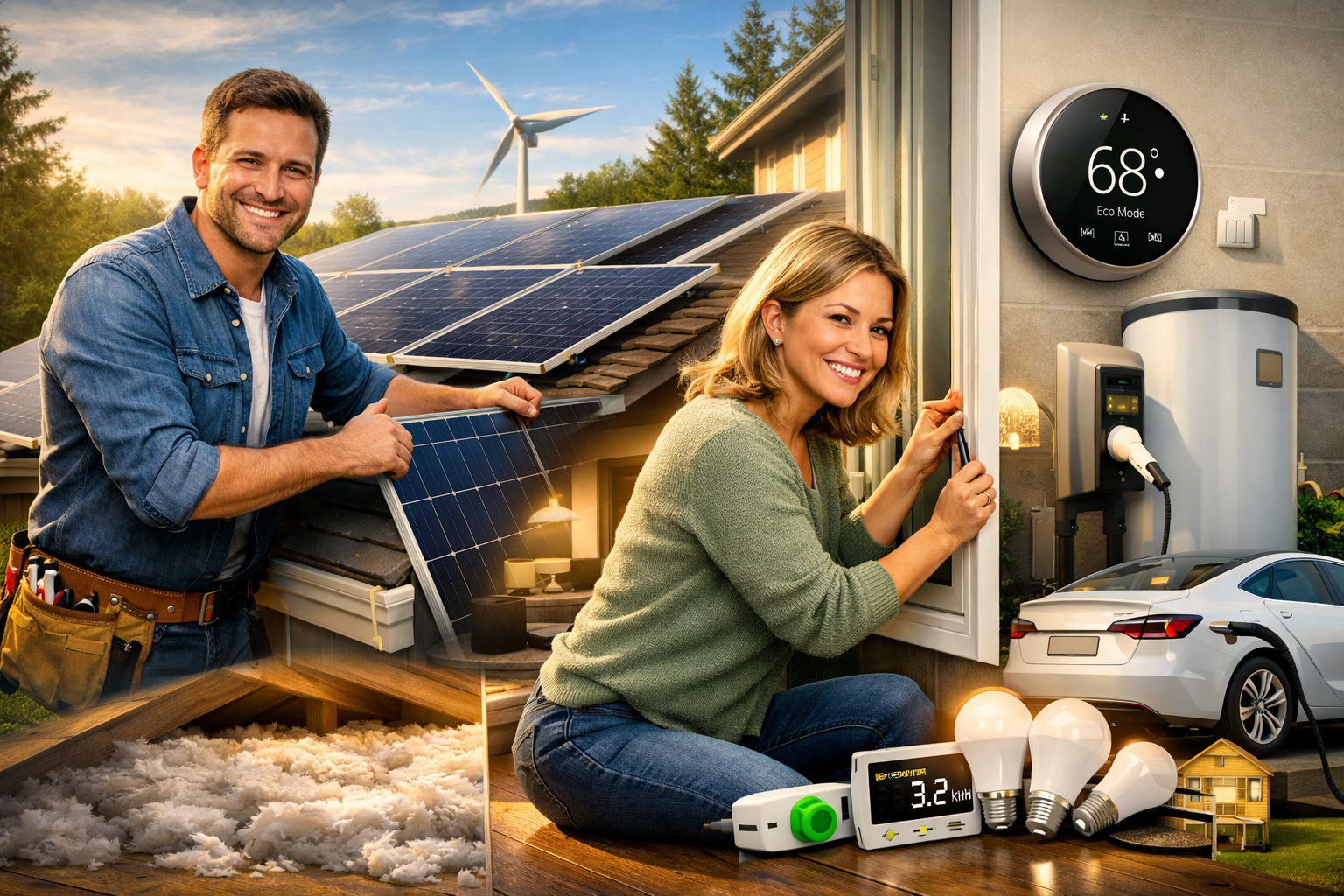
Lowering the water heater temperature to an optimal range can also generate savings without affecting comfort. Insulating hot water pipes minimizes heat loss during distribution. These measures improve efficiency with minimal disruption.
Reducing hot water usage through efficient fixtures, such as low-flow showerheads, further lowers energy demand. Together, these changes form practical steps to improve home energy efficiency related to water usage.
Adopt Energy-Conscious Daily Habits
Technology upgrades alone are not enough if daily habits remain inefficient. Simple behavioral changes can produce consistent energy savings over time. Turning off lights when rooms are unoccupied and using natural daylight reduces electricity consumption.
Laundry and dishwashing habits also matter. Washing clothes in cold water and running full loads maximizes efficiency. Air-drying clothes when possible reduces reliance on energy-intensive dryers.
Cooking practices contribute as well. Using lids on pots, choosing energy-efficient cookware, and minimizing oven preheating time all reduce energy use. Sustainable habits reinforce structural improvements and help maintain long-term efficiency.
Consider Renewable Energy and Long-Term Investments
For homeowners seeking deeper reductions in power bills, renewable energy options provide long-term value. Solar panels are the most common residential solution, converting sunlight into usable electricity. While installation costs can be significant, incentives and declining prices have improved accessibility.
Energy storage systems enhance the value of renewable sources by allowing households to store excess energy for later use. This reduces dependence on the grid and protects against rising energy costs.
Not every home is suitable for renewable installations, but evaluating feasibility is worthwhile. Renewable energy represents an advanced step in the broader framework of steps to improve home energy efficiency.
Conclusion
Improving home energy efficiency requires a combination of assessment, upgrades, and consistent habits. By addressing insulation, systems, appliances, water use, and daily behavior, homeowners can achieve meaningful reductions in power bills. These steps to improve home energy efficiency deliver financial savings, increased comfort, and long-term resilience in a changing energy landscape.
FAQ
Q: What are the most effective steps to improve home energy efficiency quickly? A: Sealing air leaks, switching to LED lighting, and optimizing thermostat settings deliver fast and measurable energy savings.
Q: Is a home energy audit necessary before making improvements? A: An audit is not mandatory, but it helps identify high-impact areas and prevents spending on low-return upgrades.
Q: How much can energy-efficient appliances reduce power bills? A: Energy-efficient appliances can reduce electricity use by 10–50 percent, depending on the appliance and usage patterns.
Q: Are smart thermostats worth the investment? A: Smart thermostats often reduce heating and cooling costs by automatically adjusting temperatures based on occupancy.
Q: Do renewable energy systems replace the need for efficiency upgrades? A: Renewable systems work best when combined with efficiency improvements, as reduced energy demand maximizes their effectiveness.
