
Top 5 Best Practices for Organizing Kitchen Cabinets
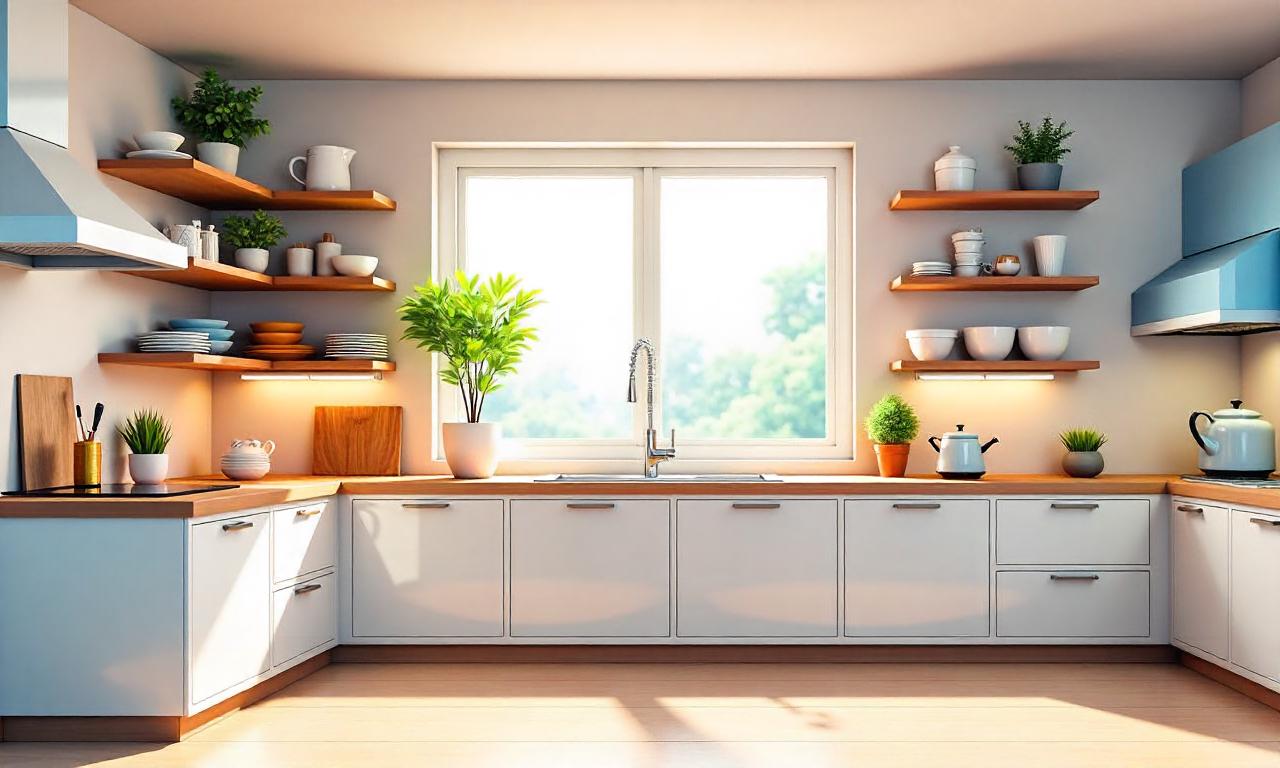
Organizing kitchen cabinets is a crucial task for any homeowner looking to create a more functional and clutter-free cooking space. A well-organized kitchen not only enhances visual appeal but also improves efficiency, reduces stress, and makes daily tasks easier. Whether you’re a seasoned chef or a home cook, implementing best practices for organizing kitchen cabinets can transform your kitchen into a well-structured environment. This article explores five essential strategies to help you maximize cabinet space, categorize items effectively, and maintain order in your kitchen.
Section 1: Assess and Plan Your Cabinet Space
Before diving into the actual organization, it’s important to assess your current cabinet layout and determine how you use each space. This step is often overlooked, but it forms the foundation of any successful best practices for organizing kitchen cabinets.
Understanding Your Needs
Start by evaluating what items you store in your cabinets. Ask yourself: – What tools and ingredients are most frequently used? – Are there items that take up too much space but are rarely accessed? – Do you have enough storage for your collection of pans, spices, or baking supplies?
By identifying high-usage and low-usage items, you can prioritize which ones should be placed in easily accessible areas and which can be stored in less convenient spots. For example, essential tools like knives, measuring cups, and cutting boards should be within arm’s reach, while seasonal items or infrequently used gadgets can be tucked away in the back.
Creating a Layout Map
Once you have a clear understanding of your needs, create a layout map of your cabinets. Sketch a diagram of your kitchen cabinets, labeling each section based on the type of items it holds. This visual plan helps you allocate space efficiently and avoid overcrowding.
Consider the height and depth of each cabinet. Tall cabinets are ideal for storing less frequently used items, while lower cabinets are perfect for everyday essentials. Additionally, group similar items together to streamline access. For instance, place all cooking utensils in one cabinet, spices in another, and baking supplies in a separate section.
Section 2: Use Vertical Space Efficiently
Maximizing vertical space is one of the best practices for organizing kitchen cabinets that can significantly increase storage capacity. Most cabinets have unused height, which can be transformed into functional storage with the right tools and techniques.
Installing Shelves and Dividers
Adding shelves or dividers to your cabinets can help you organize items vertically and prevent them from falling or getting damaged. For example, shelves can be used to stack baking sheets, bowls, or jars, while cabinet dividers can keep utensils neatly separated. This approach ensures that every inch of your cabinets is utilized effectively.
If your cabinets are deep, consider using shelf organizers or stackable containers to fill the space without crowding. These items are available in various sizes and styles, making it easy to customize your storage solutions. Additionally, hanging organizers for items like pots or pans can free up shelf space and keep your kitchen looking tidy.
Utilizing Drawer Dividers
Drawers in cabinets are often underused. Implement drawer dividers to compartmentalize small items like spices, nuts, or tools. This not only prevents items from shifting during movement but also makes it easier to find what you need. For example, plastic bins with lids can hold items like rice, pasta, or dry goods, while custom dividers can separate utensils and gadgets.
By focusing on vertical space optimization, you can best practices for organizing kitchen cabinets to create a more efficient storage system. This method reduces the need for additional cabinets and helps maintain a clean, organized kitchen.
Section 3: Group Similar Items Together
Grouping similar items together is a simple yet effective best practice for organizing kitchen cabinets. This strategy not only makes it easier to locate what you need but also reduces the time spent searching for tools or ingredients.
Categorizing by Function
Divide your cabinets into categories based on function. For example: – Cooking utensils (knives, whisks, spatulas) – Cooking tools (pots, pans, ladles) – Baking supplies (mixing bowls, measuring cups, rolling pins) – Storage containers (jars, boxes, Tupperware) – Seasonal items (holiday decorations, extra cleaning supplies)
This categorization ensures that items are stored in a logical order, making it easier to maintain your organized system. Additionally, grouping similar items can help you identify items you no longer need, which may be a good candidate for donation or disposal.
Using Labels and Color Coding
Labeling your cabinets with clear tags or markers is another key step. For example, labeling the front of each drawer or shelf with the contents helps you quickly locate items without opening every compartment. You can also use color coding to differentiate between categories. For instance, red labels for spices, blue labels for baking tools, and green labels for storage containers.
This visual system is especially helpful for households with multiple users or for those who frequently access their cabinets. By grouping similar items together, you can best practices for organizing kitchen cabinets to create a more intuitive and user-friendly setup.
Section 4: Implement Storage Solutions and Labels
In addition to categorization, storage solutions and labels play a critical role in best practices for organizing kitchen cabinets. These tools help you maximize space, keep items secure, and maintain a clear inventory.
Choosing the Right Storage Tools
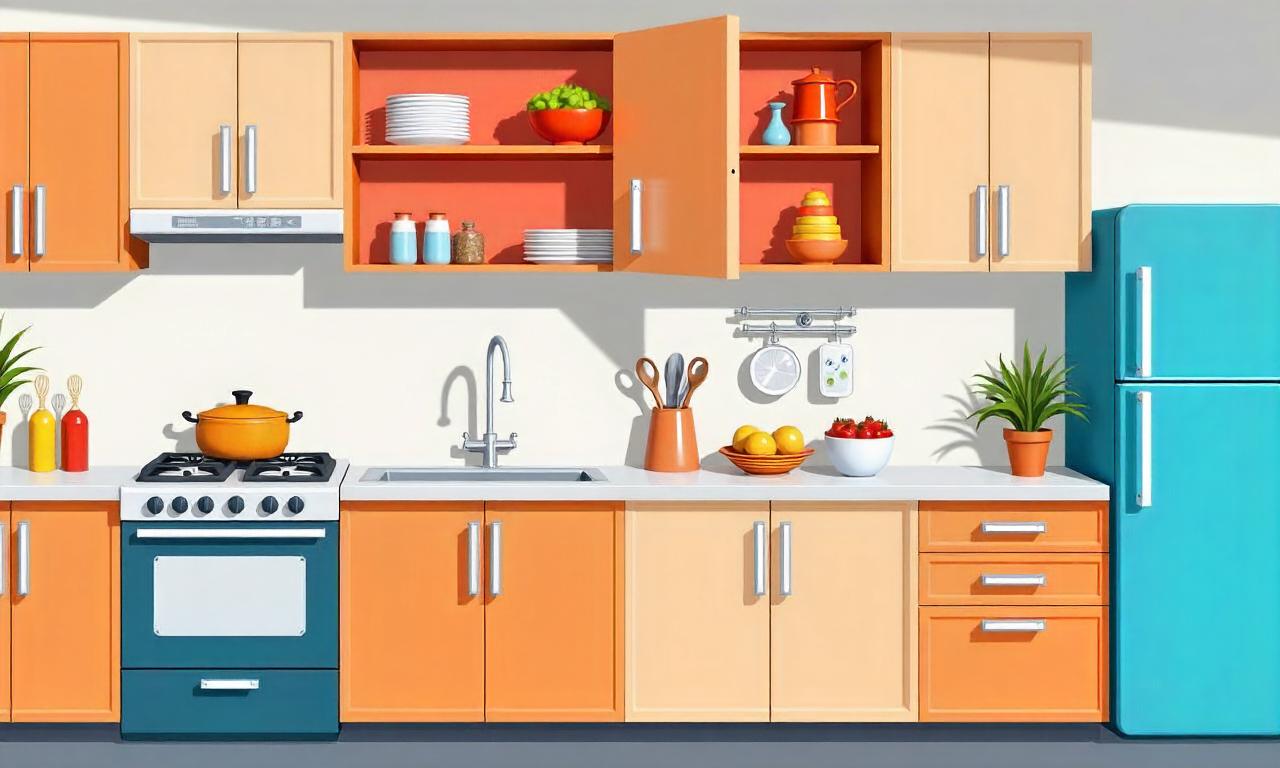
Select storage solutions that fit your cabinet dimensions and item types. For example: – Stackable bins for small items like spice jars or dry goods – Lazy Susans for accessing items in the back of cabinets – Over-the-door organizers for storing frequently used tools – Hung baskets for items like measuring cups or utensils
These tools not only optimize storage space but also prevent items from getting lost. For instance, stackable bins can be placed on shelves to create vertical layers, while lazy Susans allow for easy rotation of items.
Consistent Labeling for Clarity
Labels are essential for maintaining order. Use clear, concise labels that indicate the contents of each compartment or drawer. For example, *labeling a drawer with “utensils” or “spices”** helps users know where to find what they need without rummaging through every compartment.
You can also use color-coded labels to enhance visual appeal. For instance, yellow labels for baking tools, green labels for storage containers, and blue labels for cleaning supplies. This system ensures that your cabinets remain organized and easy to navigate.
Section 5: Maintain Your Organized System
The final step in best practices for organizing kitchen cabinets is maintaining your organized system. Regular upkeep ensures that your cabinets stay functional and clutter-free over time.
Establishing a Maintenance Routine
Set aside time each week to review your cabinet organization. Check for misplaced items, expired products, or overfilled compartments. For example, removing expired spices or unused gadgets from the back of cabinets can free up space and keep your kitchen tidy.
Create a maintenance routine that includes: – Reorganizing items monthly – Cleaning cabinets regularly – Updating labels as needed – Replacing damaged storage containers
This routine ensures that your best practices for organizing kitchen cabinets remain effective and adaptable to your changing needs.
Involving the Whole Family
If your kitchen is used by multiple people, involve the whole family in the organization process. For example, assigning specific areas for each person’s personal items or establishing a rule to return items to their designated place after use. This collaborative approach helps maintain order and prevents clutter from accumulating.
Additionally, teach others how to use the organized system. Explain the purpose of each label and the layout of your cabinets. This ensures that everyone in the household respects the system and contributes to its long-term success.
Section 6: Adapt to Your Lifestyle and Cooking Habits
A well-organized kitchen should be flexible enough to adapt to your lifestyle and cooking habits. As your needs change, adjust your cabinet layout to reflect those changes.
Prioritizing Accessibility
If you frequently cook complex meals, prioritize accessibility for ingredients and tools. For example, store frequently used items like flour, sugar, and spices in the most accessible cabinets, while less frequently used items like specialty ingredients can be stored in higher or lower cabinets.
Similarly, if you have a small kitchen, adapt your storage solutions to fit the space. For instance, using over-the-door organizers or under-shelf storage can maximize space without taking up extra room.
Regularly Evaluating Your System
Evaluate your system every few months to see if it still meets your needs. Ask yourself: – Are there items that are no longer used? – Is the layout causing any bottlenecks? – Are there areas where you can add more storage?
By adapting to your lifestyle, you can ensure that your best practices for organizing kitchen cabinets remain relevant and effective.
Section 7: Bonus Tips for Long-Term Success
While the five best practices outlined above provide a solid foundation, some bonus tips can further enhance your best practices for organizing kitchen cabinets.
Decluttering Regularly
One of the most important bonus tips is decluttering regularly. Set a monthly goal to remove items that no longer serve a purpose. For example, donating unused pans or expired spices keeps your cabinets from becoming overcrowded.
Using Magnetic Strips and Hooks
Magnetic strips and hooks can be used to store utensils, knives, or small tools on the outside of cabinets. This not only maximizes space but also makes items easily accessible.
Incorporating Smart Technology
For a modern twist, incorporate smart technology into your cabinet organization. For example, smart labels that change color when items are expired or motion sensors that detect when cabinets are opened. These tools can help you stay on top of your organization and prevent clutter.
By combining these bonus tips with the core best practices, you can best practices for organizing kitchen cabinets to create a sustainable and efficient storage system.
Conclusion
Implementing best practices for organizing kitchen cabinets requires a combination of planning, categorization, and maintenance. By assessing your space, using vertical storage, grouping similar items, implementing storage solutions, and adapting to your lifestyle, you can create a kitchen that is both functional and aesthetically pleasing. These strategies not only help you maximize storage space but also reduce stress and improve efficiency in daily tasks.
Remember, organizing kitchen cabinets is not a one-time task but an ongoing process. Regular maintenance and flexibility ensure that your system remains effective as your needs evolve. With the right approach, you can transform your kitchen into a well-ordered space that makes cooking and meal prep a breeze. So, start today by applying these best practices for organizing kitchen cabinets and enjoy the benefits of a more organized and productive kitchen.
