
Top Materials for Durable Outdoor Furniture: Long-Lasting Options
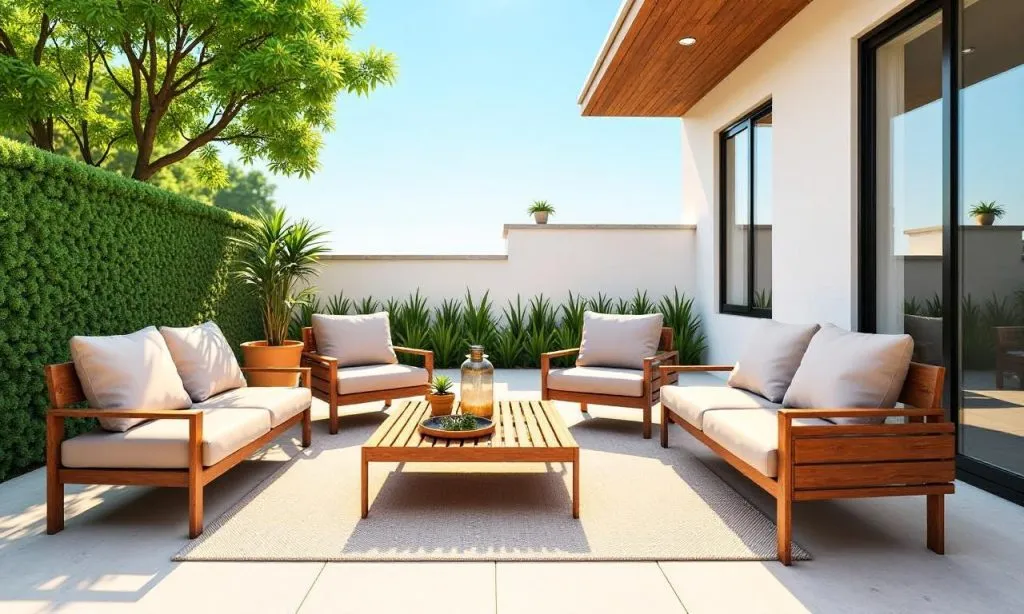
Outdoor furniture durability is a critical factor for anyone investing in long-lasting outdoor living spaces. Whether you’re setting up a cozy backyard patio, a functional deck, or a stylish outdoor living area, selecting the best materials for outdoor furniture durability ensures your pieces withstand the elements without losing their charm or structural integrity. From weather-resistant options to materials that blend beauty with resilience, understanding the right choices can significantly extend the lifespan of your outdoor furniture. This article explores the top materials that offer both strength and aesthetic appeal, helping you make informed decisions for your outdoor environment.
Key Factors in Choosing Durable Outdoor Materials
When selecting materials for best materials for outdoor furniture durability, it’s essential to consider environmental exposure, maintenance requirements, and long-term cost-effectiveness. Outdoor furniture is constantly subjected to sunlight, moisture, temperature changes, and UV rays, which can degrade certain materials over time. For example, wood may warp or rot if not properly treated, while metal can corrode in humid or coastal climates. Materials like aluminum, teak, and polyester are known for their ability to resist these elements, making them popular choices for outdoor use. Additionally, durability isn’t just about strength; it also involves how well a material retains its appearance and functionality year after year.
Aluminum: Lightweight and Corrosion-Resistant
Aluminum is a top contender for best materials for outdoor furniture durability due to its lightweight nature and resistance to rust and corrosion. Unlike steel, which can degrade in moist environments, aluminum forms a protective oxide layer when exposed to air, making it ideal for coastal areas or regions with high humidity. Its strength-to-weight ratio also allows for sleek, modern designs without compromising structural stability. However, aluminum may not be the best option for heavy-duty use, as it can dent or scratch under constant pressure. That said, its low maintenance and ability to withstand harsh weather conditions make it a versatile choice for both residential and commercial outdoor spaces.
Teak Wood: Natural Strength and Timeless Appeal
Teak wood is often celebrated as one of the best materials for outdoor furniture durability, thanks to its natural resistance to moisture, insects, and decay. Its high oil content makes it less prone to warping and cracking, even in fluctuating weather conditions. Teak also develops a rich, silver-gray patina over time, adding a unique aesthetic that many homeowners appreciate. While it requires occasional maintenance, such as cleaning and reapplication of oil, it’s generally more forgiving than other hardwoods like oak or maple. Teak furniture is particularly popular for patios and decks, where its durability and classic look create a lasting impression.
Wicker: Aesthetic Versatility with Proper Care
Wicker is a popular material for outdoor furniture that balances style and durability, provided it’s made from the right type of material. Natural wicker, crafted from rattan or willow, offers a rustic, handcrafted appearance but requires regular maintenance to prevent fraying or rotting. On the other hand, synthetic wicker, often made from polyethylene or resin, mimics the look of natural materials while being highly resistant to moisture, UV rays, and insects. These synthetic options are lightweight, easy to clean, and can be used in various styles, from modern to traditional. While wicker is not as robust as metal or wood, its durability can be significantly enhanced with proper care, making it a suitable choice for decks and garden seating areas.
Wrought Iron: Strength and Elegant Design
Wrought iron is a classic material that combines durability with timeless elegance. It’s known for its exceptional strength, making it ideal for heavy-duty outdoor furniture like tables, chairs, and garden decor. Unlike cast iron, which can crack under stress, wrought iron is malleable and can be shaped into intricate designs without compromising structural integrity. However, its susceptibility to rust in humid environments means regular maintenance, such as painting or sealing, is necessary to preserve its appearance. For homeowners seeking a blend of durability and visual appeal, wrought iron remains a popular choice, especially in traditional or ornate outdoor spaces.
Plastic: Affordable and Weather-Resistant
Plastic outdoor furniture is a practical option for those looking for affordability and best materials for outdoor furniture durability. High-density polyethylene (HDPE) and polypropylene are among the most resilient plastic materials, as they resist UV degradation, moisture, and cracking. These materials are also lightweight, making them easy to move and store, and they come in a wide range of colors and styles to suit different tastes. While plastic may not offer the same level of sophistication as wood or metal, its low maintenance and versatility make it a great choice for budget-friendly outdoor spaces. Additionally, plastic furniture is often more comfortable in cold weather, as it retains heat better than other materials.
Glass: Sleek and Durable for Modern Spaces
Glass is an elegant material that enhances the visual appeal of outdoor furniture while maintaining durability. Tempered or laminated glass is particularly suited for outdoor use, as it is stronger and less prone to shattering than regular glass. Its smooth, reflective surface creates a modern and sophisticated look, making it a favorite for outdoor tables, benches, and decorative accents. However, glass requires careful handling and protection from sudden temperature changes or impacts to prevent damage. When combined with sturdy bases or frames, it can offer a durable and stylish option for contemporary outdoor designs.
Balancing Cost, Aesthetics, and Longevity
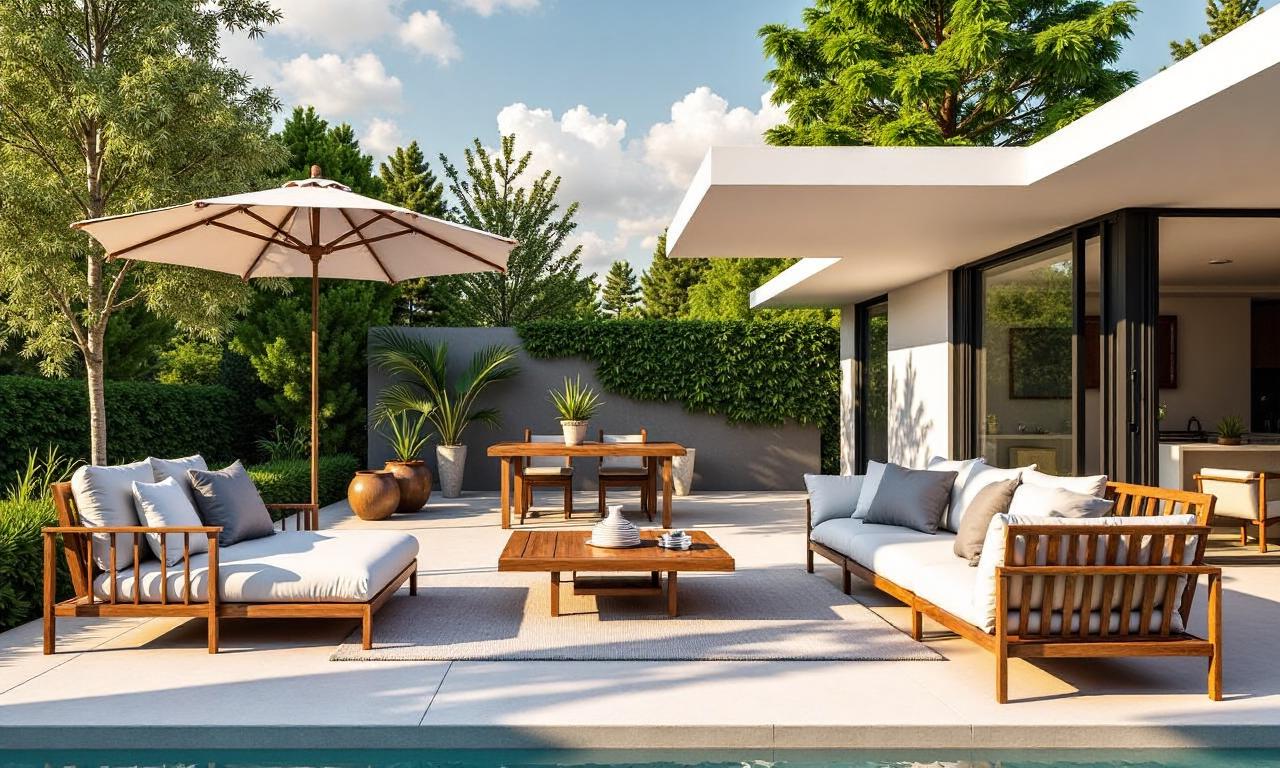
Selecting the best materials for outdoor furniture durability involves balancing cost, aesthetics, and the specific needs of your outdoor space. For instance, while aluminum and teak are more expensive upfront, they often save money in the long run by requiring minimal maintenance. On the other hand, plastic and synthetic wicker are budget-friendly but may not match the luxury of natural materials like teak or wrought iron. Ultimately, the ideal choice depends on factors like climate, usage frequency, and design preferences. Investing in durable materials ensures that your outdoor furniture remains functional and attractive for years, even in challenging weather conditions.
FAQ
Q: What are the most durable materials for outdoor furniture? A: The best materials for outdoor furniture durability include aluminum, teak wood, and synthetic wicker, which resist corrosion, moisture, and wear over time.
Q: How do I choose the best material for outdoor furniture based on climate? A: For coastal areas, aluminum and teak are ideal due to their resistance to humidity and salt. In colder climates, plastic or glass may be better suited for durability.
Q: Can wicker furniture be as durable as metal or wood? A: Synthetic wicker is highly durable and can outlast natural wicker with proper care, making it a viable alternative to metal or wood.
Q: What maintenance is required for best materials for outdoor furniture durability? A: Aluminum and plastic require minimal upkeep, while teak and wrought iron may need occasional sealing or painting to maintain their longevity.
Q: Are there eco-friendly options for durable outdoor furniture? A: Recycled plastic and sustainably sourced teak are eco-friendly materials that offer both durability and environmental benefits.
