
How international news outlets report under Israel’s military censor during wartime
How international news outlets report under Israel’s military censor during wartime
Strict Censorship Protocols in Place
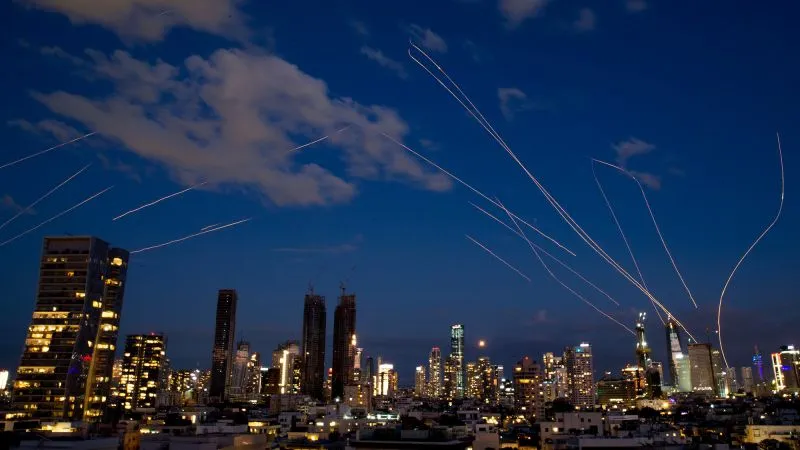
All Israeli reporters and the general public are required to go through a military censorship process. This regulation, justified by national security concerns, grants censors the power to block material that might expose classified details or threaten Israel’s strategic interests. During wartime, the restrictions intensify, with censors explicitly forbidding the broadcast of images that reveal the placement of interceptor missiles or military installations targeted by enemy attacks. Live reporting is especially scrutinized, as the Chief Censor’s 1988 directive mandates that content concerning state security be reviewed prior to publication.
The 1988 directive established that anyone producing content related to state security must submit it for review before release. This rule, which dates back to Israel’s founding, ensures that sensitive information is not inadvertently disclosed. Crucially, it does not grant censors editorial control over CNN’s coverage. Instead, it allows them to verify that no critical details are accidentally shared. CNN has been open about its collaboration with the military censor during the process, emphasizing transparency in their interactions.
Comparing Global War-Time Censorship Practices
Israel is not the only nation imposing limitations on news media during conflict. Ukraine, under martial law since Russia’s full-scale invasion four years ago, also enforces strict reporting guidelines. For instance, details about troop withdrawals or the movement of armored vehicles near frontlines are closely monitored. Typically, international media teams work with the IDF through embedded reporting, where footage is reviewed before airing—a common practice with other military forces. However, the current war has seen stricter enforcement, particularly targeting live broadcasts of missile intercepts.
Despite public videos of missile intercepts circulating widely on social media and Telegram, the censor has shifted its focus to international outlets. After the Hamas-led attack on October 7, 2023, when thousands of rockets were launched at Israel, intercepts in southern and central regions were shown without issue. Now, live broadcasts of Iranian ballistic missile intercepts are prohibited, even though most have been neutralized. This marks a departure from previous norms, as international networks are no longer submitting all footage for review, though the censor continues to impose limits on specific content.
Political Use of Censorship
Israeli far-right Minister of National Security Itamar Ben Gvir has transformed the apolitical military censor into a political tool, promising strict action against international media that breach guidelines. In a joint statement with the Minister of Communications, he declared that police have been sent to multiple locations, citing arrests and investigations for suspected violations. “Anyone who endangers Israel’s citizens in the name of ‘journalistic reporting’ will face a determined and tough police force,” Ben Gvir stated. “No concessions, no games.”
“No concessions, no games.” — Itamar Ben Gvir
