
Meningitis outbreak spreads to second university in Kent after vaccine supplies dwindle
Meningitis outbreak spreads to second university in Kent after vaccine supplies dwindle
Health officials are working to control the meningitis outbreak in Canterbury, Kent, as the infection spreads to a second campus. A student at Canterbury Christ Church University (CCCU) has been diagnosed with the disease, marking the second institution in the region affected.
The UK Health Security Agency (UKHSA) confirmed the latest case, linking it to the initial cluster tied to Club Chemistry. CCCU’s vice-chancellor, Rama Thirunamachandran, stated:
“One student at CCCU has tested positive for meningococcal disease. We have contacted the individual for support. This case is connected to the outbreak originating at Club Chemistry.”
Preventative antibiotics have been distributed to thousands of students at the University of Kent, following the confirmation of two fatalities. The outbreak has escalated to a national incident, with officials anticipating more cases as symptoms can manifest within two to 14 days.
Vaccine shortages and pharmacy challenges
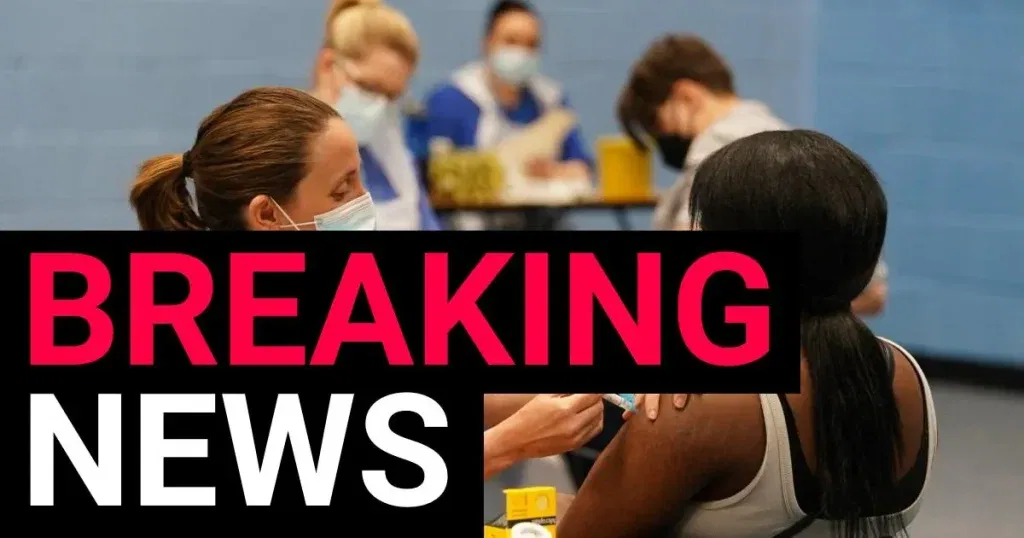
Private stocks of meningitis B vaccines have depleted, according to the National Pharmacy Association. Boots has implemented a waiting queue for the vaccination service, while Superdrug reports a backlog due to a “national shortage.”
The vaccine booking page for pharmacies is currently offline, displaying a message:
“We’ll be back shortly. Demand for the Meningitis B Vaccination Service is high, and we’re experiencing technical issues. We’re working to restore the system as quickly as possible.”
University of Kent has announced plans to administer the meningitis B vaccine to all students residing on campus. However, pharmacies are struggling to meet demand, with Olivier Picard, chairman of the National Pharmacy Association, noting:
“Our private supply has completely run out, and most distributors lack stock. Although some reserves may exist, they are taking time to reach our shelves. There’s no timeline for replenishment.”
Super-spreader dynamics and public health response
UKHSA chief executive Susan Hopkins described the outbreak as a “super-spreader” event, emphasizing the rapid transmission within university accommodations. She explained:
“There were significant social interactions, especially during events at Club Chemistry, which likely fueled the spread. I can’t pinpoint the origin of the infection or how it proliferated so quickly. This is the most severe case count I’ve seen in a single weekend in my 35 years of experience.”
GPs across the UK have been instructed to prescribe antibiotics to anyone who attended Club Chemistry between March 5-7, as the event is suspected to be a key source of the outbreak. The nightclub hosted a freshers’ gathering, drawing participants from sixth formers.
Additional cases have been traced to schools in Kent, prompting expanded vaccination efforts. While six confirmed cases are linked to group B meningococcal disease, one individual in London with no local connections is under investigation. A baby girl in hospital is also being treated for the same strain, though her illness is not yet connected to the Kent outbreak.
Pharmacies are facing unprecedented pressure, with the vaccination service page for Boots currently overwhelmed by demand. As the situation evolves, health authorities urge people to take antibiotics seriously, highlighting their effectiveness in reducing household infection risk by up to 90%.
