Cake Sheds Are Becoming a Staple of British Life – But Regulations Could Spell Trouble
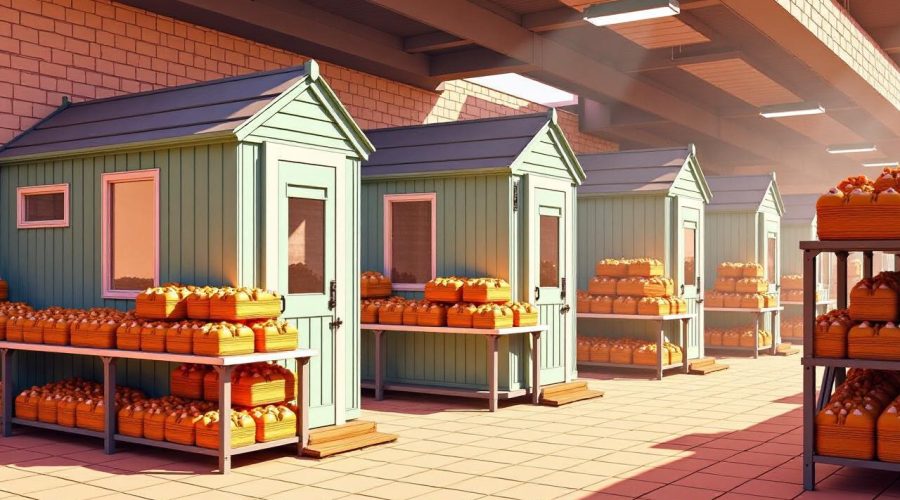
Cake sheds are making bakers 1 000 – The practice of setting up small, makeshift “cake sheds” has taken root across the UK, transforming into a cultural phenomenon that blends convenience with community spirit. These compact, cupboard-like structures are often filled with an array of homemade pastries, from traditional sponges to modern creations like lemon drizzle and sprinkle-laden delights. Positioned in front gardens, driveways, or along quiet roadside paths, they operate on a trusted “honesty box” model, where customers select items and pay voluntarily. This no-frills approach has captivated locals, turning these humble setups into unexpected revenue generators for some bakers.
For many, cake sheds began as a casual side project. Yet, for others, they have evolved into full-scale enterprises. The trend’s popularity has sparked a surge in participation, with some bakers reporting weekly earnings that exceed £1,000. This growth has not gone unnoticed by local authorities, who are now examining the legal framework governing such operations. As the sheds become more prevalent, even in urban areas, their presence has raised questions about compliance with street trading laws.
Bronya Seifert, a founder of Daisy Cake Company, has observed the phenomenon firsthand. “These sheds are becoming a familiar sight in our towns and cities,” she notes. “They’re spreading from the countryside to the heart of urban neighborhoods, and I think that’s a beautiful thing.” However, this increasing visibility has also drawn scrutiny. Some council officials argue that the movement’s success should be accompanied by formal licensing, which could shift the dynamics for bakers.
Online communities have played a pivotal role in the trend’s expansion. One such group, run by Susanne Niess of That’s Cake by Susanne, has seen its membership swell by around 400 new users each week. “The group has grown rapidly,” Susanne explains. “It’s clear that people are embracing this idea of supporting local bakers while enjoying baked goods without the hassle of a checkout.” This grassroots support, however, may not be enough to shield the sheds from regulatory changes.
Danielle Edgington, a 41-year-old catering manager who transitioned to full-time cake shed operations, has become a prime example of the trend’s potential. After launching her business during the pandemic, she now runs The Lavender Cake Shed in Kings Heath, Birmingham, seven days a week. Her schedule, which includes baking from 09:00 to 21:00 BST, has taken over her life. “I used to work in the morning, then come home to bake,” she recalls. “It was impossible to keep up with the demand, so I had to commit fully.” Her weekly earnings, which range from £500 to £1,000, have been driven in part by her active social media presence, particularly her TikTok account.
The appeal of cake sheds extends beyond individual success, fostering a sense of community. Charley Coleman-Pollard, a 28-year-old mother-of-two in Castlethorpe, Milton Keynes, opened her “Something Different’s Cake Shed” a year ago as a natural extension of her eight-year baking business. “People in my village love it,” she says. “It’s their weekly treat, and they feel good about supporting a local venture.” Despite her enthusiasm, Charley admits that profits often return to the shed itself rather than her personal pocket. “I don’t want to set prices too high or too low,” she explains. “The goal is to keep the business running smoothly for everyone.”
Yet, the growing popularity of these sheds has not gone unnoticed by regulators. Under the Local Government (Miscellaneous Provisions) Act, street traders are required to obtain a license or consent before selling goods in public spaces. In Nottinghamshire, this rule has been applied with increasing intensity. Earlier this month, several shed operators received notices from Bassettlaw District Council demanding a £1,000 fee for a street trading license—or risking a fine of similar magnitude. Heather Price, owner of The Retford Bakeshed, recalls the surprise of the notice. “A licensing officer arrived and handed me a letter saying I needed a permit,” she says. “I was stunned.”
The sudden regulatory push has sparked a mixed reaction. While some bakers appreciate the structure it brings, others fear it could jeopardize their livelihoods. “To see a queue forming at my shed is incredible,” Danielle says, describing the bustling scenes that now occur regularly. “It’s humbling to know people are traveling from further afield just for a taste.” For Charley, the flexibility of operating her shed on weekends has been a key factor in balancing her responsibilities. “Many mothers are using these sheds as a way to manage their time,” she notes. “It’s a small business that fits into a busy schedule.”
However, the proposed licensing requirements threaten to disrupt this delicate balance. If implemented, they could force bakers to pay more in fees or face penalties for operating without permission. This has led to a growing debate about the role of these sheds in the local economy. Should they be treated as formal businesses, or are they better left as informal, community-driven ventures? For now, the councils in Nottinghamshire have paused enforcement actions, allowing time for further discussion. But the question remains: how long will this reprieve last?
As the movement gains momentum, its future hinges on the intersection of creativity and regulation. For bakers like Danielle and Charley, these sheds are more than just a source of income—they are a passion project and a symbol of resilience. Yet, the threat of stricter rules looms, challenging their ability to maintain this tradition. The dream of a thriving, unregulated bake shed may soon require more than just a little flour and sugar to survive.