
Has Artemis II shown we can land on the Moon again?
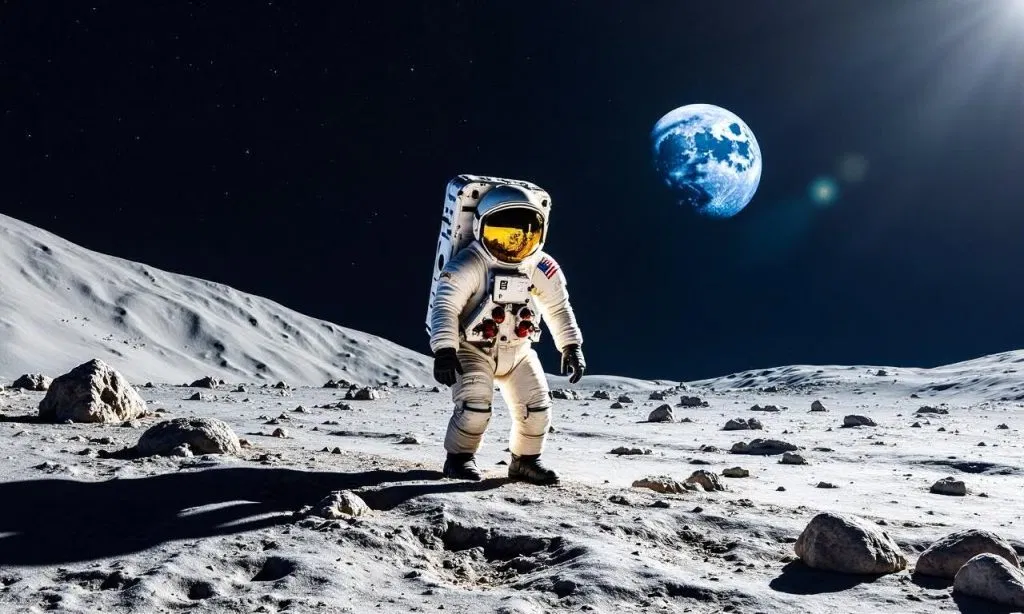
Has Artemis II shown we can land on the Moon again?
Since its April 1st launch, NASA’s Artemis II mission has cleared all major hurdles, with the rocket, spacecraft, and crew exceeding expectations in performance. The first six days of the mission have confirmed that the Orion capsule operates reliably when carrying humans, a milestone no simulation could fully replicate. While the crew’s actions have sparked renewed confidence and optimism for a world craving inspiration, the central question persists: Can a Moon landing by 2028, as NASA and President Trump aim for, now be considered a realistic target?
The Crew’s Role in Validation
Following two delayed launches in February and March due to technical setbacks, NASA Administrator Jared Isaacman highlighted the need for more frequent SLS deployments. “Launching a rocket as intricate as SLS every three years is not a route to success,” he remarked. The previous uncrewed Artemis I mission launched in November 2022, and the agency emphasized the importance of treating the program like a serious operational endeavor rather than an artistic endeavor. This shift in mindset is critical, as it sets the tone for future missions.
Engineering Successes
Three days into the flight, the SLS produced 8.8 million pounds of thrust at liftoff, meeting all engineering benchmarks. Every stage of the ascent was described by mission control as “nominal,” including maximum dynamic pressure, engine shutdown, and booster separation. Remarkably, two of the three planned course corrections were unnecessary, as the trajectory proved so precise. Dr. Simeon Barber, a space scientist at the Open University, noted, “Credit to them—they got it right the first time.”
About 36 hours after liftoff came the critical translunar injection burn, where Orion’s main engine operated for five minutes and fifty-five seconds. This maneuver placed the spacecraft on a direct path to the Moon without further major adjustments. The head of the Artemis program, Dr. Lori Glaze, called the engine performance “flawless.” The primary goal of this mission is to test human interaction with the spacecraft, addressing issues like a water dispenser malfunction and toilet-related challenges. These real-time problems, such as the need for crew to bag water and a minor helium system redundancy loss, underscore the complexity of integrating humans into space systems.
Engineers monitoring CO2 removal systems during back-to-back exercises or testing thrusters with deliberate shutdowns are gathering evidence that Orion is ready for lunar landings. As Barber concluded, “Orion itself seems to have worked pretty well, actually—certainly all the propulsion stuff, which is the real critical stuff.” While the mission has delivered stunning imagery, including the first direct view of the Orientale basin on the Moon’s far side, its scientific value is seen as secondary. Professor Chris Lintott of Oxford, co-host of The Sky at Night, stated, “The artistic value of the images returned from Artemis and its crew is significant, but their scientific value is limited.”
Amid these developments, India’s Chandrayaan-3 mission has also advanced lunar exploration, offering additional context to the broader goal of reestablishing human presence on the Moon. For now, Artemis II stands as a testament to the progress made—and the challenges that remain—in the quest for a sustainable lunar return.
