
Open University reverses UKLFI-influenced ‘ancient Palestine’ ban
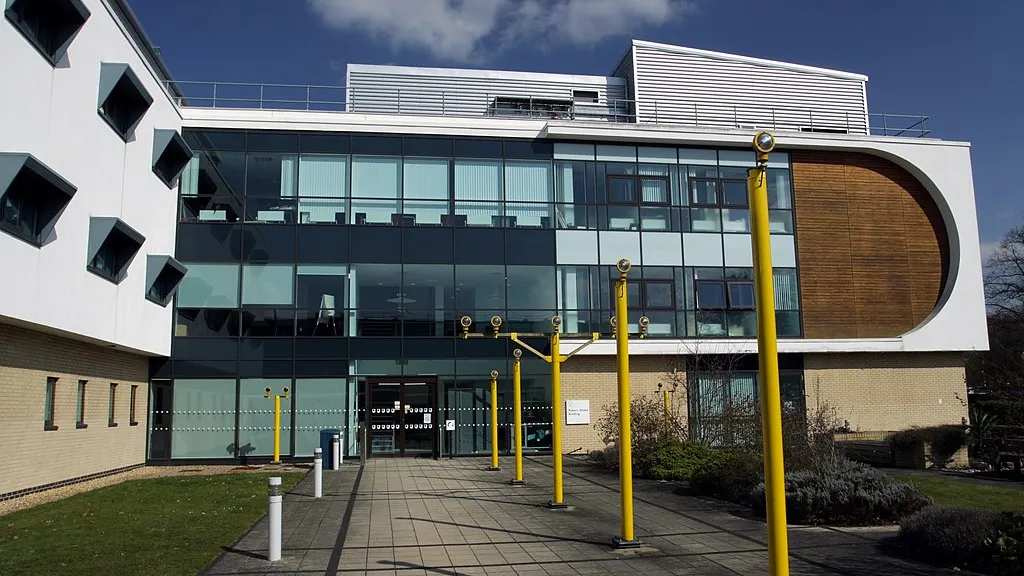
Open University Undoes Earlier Agreement with UKLFI to Exclude ‘Ancient Palestine’
The Open University (OU) has seemingly undone its earlier agreement with the pro-Israel advocacy group UK Lawyers for Israel (UKLFI) to exclude the term “ancient Palestine” from educational content, as highlighted by Novara Media. This decision follows a complaint from UKLFI regarding the term’s potential to foster a hostile atmosphere for Jewish and Israeli students.
In November 2025, UKLFI wrote to the OU expressing concerns that the phrase “ancient Palestine” could be seen as creating an offensive learning environment. The group argued that the term might violate the Equality Act, citing an example where a humanities module referenced the Virgin Mary’s birthplace as “ancient Palestine” and included a map with the same label.
UKLFI claimed the term Palestine was not applied to the region until over a century after Mary’s lifetime, when Emperor Hadrian renamed it “Syria Palaestina.” In response, Adrienne Scullion, head of the OU’s faculty of arts and social sciences, acknowledged the term had become “problematic” since the materials were originally written in 2018. She stated the university would cease using the term in future resources but would still explain its historical context in existing content.
Academics Challenge UKLFI’s Influence
Following the release of the OU’s response, over 600 scholars and public figures signed an open letter earlier this year, calling for a public retraction of the OU’s commitments to UKLFI. The letter warned that these agreements risked undermining the university’s obligations under the Higher Education (Freedom of Speech) Act 2023, exposing staff to harassment and enabling the spread of disinformation.
“The commitments expose staff to harassment, set harmful precedents for further attacks on academic freedom, and make the OU complicit in the spread of disinformation and a politically motivated attempt to erase Palestine from history.”
The letter was endorsed by the OU’s University and College Union branch and included signatures from Israeli historians Ilan Pappe and Avi Shlaim, along with Palestinian scholars Rashid Khalidi and Nur Masalha. However, the OU has since appeared to backtrack on its pledge, with a spokesperson stating that academics are free to use the term “ancient Palestine” in materials if they deem it scholarly appropriate.
Contradictions arose as a staff member noted the current statement did not align with the December 18 letter from Scullion, which outlined the university’s previous commitment to UKLFI. This follows a broader pattern of UKLFI’s influence, as seen in the British Museum’s removal of Palestine from exhibits on ancient Egypt and Phoenicia, a move the group claimed was in response to its complaints.
The British Museum denied the link between its decision and UKLFI’s input, prompting academics to defend the term “ancient Palestine” as historically accurate. Marchella Ward, a classical studies lecturer at the OU, called such claims a “lie” aimed at erasing Palestinians and supporting Israel’s ongoing genocide.
Other institutions have also faced pressure from UKLFI, including Encyclopaedia Britannica, which revised its Britannica Kids entries last month after UKLFI’s influence. In February 2023, Chelsea and Westminster Hospital removed a Gaza-designed artwork following complaints from patients, according to UKLFI director Caroline Turner.
