South Africa and Ghana in Diplomatic Row Over Alleged Migrant Killing
South Africa and Ghana in diplomatic – Rising anti-migrant tensions have intensified in South Africa, sparking a heated diplomatic dispute with Ghana. The disagreement centers on conflicting reports about the death of a Ghanaian man during recent protests. While Ghanaian officials claim that Bashiru Isak, a 40-year-old tailor, was shot dead in the Khayelitsha township of Cape Town, South African authorities have dismissed these allegations as unfounded. The incident has prompted Ghana to formally protest the claim, expressing “profound shock” at the circumstances surrounding Isak’s death.
Ghana’s Formal Protest and Police Involvement
Ghana’s Foreign Affairs ministry has taken direct action, sending a protest note and filing a complaint with local police. The ministry emphasized the gravity of the situation, stating that the death of Isak was a “tragic event” that demands accountability. According to Ghanaian sources, Isak was reportedly approached at his shop by individuals who accused him of taking South African jobs before he was fatally shot. This accusation aligns with the broader anti-migrant sentiment sweeping across the country.
“Taking of any life is unacceptable, and those responsible must be brought to justice without delay,” stated Ghana’s Foreign Affairs ministry in a statement condemning the attack. The ministry also urged South Africa to uphold its international obligations, ensuring the safety and dignity of all foreign nationals on its soil.
South Africa’s justice minister has countered by accusing Ghana of spreading “false information” about the nation’s handling of irregular migration. The minister highlighted concerns that Ghanaian authorities are inflating the scale of violence against migrants, potentially undermining efforts to manage the flow of people from neighboring countries. Meanwhile, South African police have confirmed they are investigating the incident but claim to have “no record of the Khayelitsha murder.” The case is being examined alongside another recent killing involving a Ghanaian citizen, Kwabena Boagen, who was allegedly shot in Nyanga, a different township.
Boagen, a 35-year-old, was working in Nyanga when suspects reportedly stormed his barbershop, demanding money before opening fire. The police described the incident as linked to extortion, though no arrests have been made yet. They have requested additional details from Ghanaian officials to “probe further” into the Khayelitsha case, suggesting a need for clarity between the two nations.
Anti-Migrant Movement and Repatriation Efforts
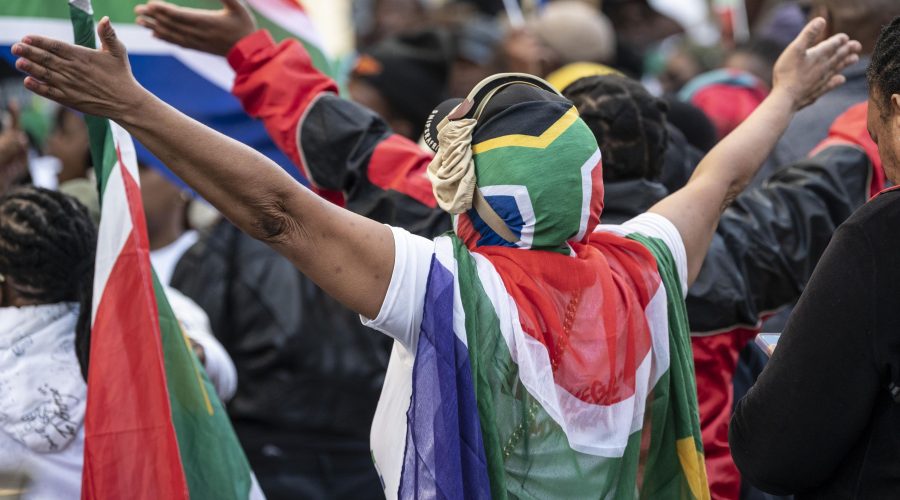
Amid the diplomatic clash, a movement advocating for the expulsion of undocumented migrants has gained momentum. On Tuesday, anti-migrant groups announced an unofficial deadline, compelling all foreigners without legal status to leave South Africa. Thousands of demonstrators marched through major cities, with the police reporting that the protests were largely peaceful. However, 900 people were arrested, primarily for immigration-related offenses and looting.
The deadline has led to increased efforts to repatriate citizens from African countries. Ghana, Malawi, and Nigeria are among the nations actively sending back nationals who have fled South Africa to avoid violence and intimidation. So far, 25,000 individuals have been repatriated, reflecting the scale of the movement. Ghanaian officials have also announced plans to return Isak’s body to his home country for burial, offering condolences to his family in the process.
South Africa’s high unemployment rate, exceeding 30%, has fueled public frustration with the influx of migrants. Despite this, the country remains a key destination for people from poorer nations seeking employment, often in low-paying roles. The economic disparity between South Africa and its neighbors has made the anti-migrant stance more pronounced, with some citizens viewing migrants as competitors for scarce jobs.
Context and Calls for Transparency
The diplomatic friction underscores the growing importance of transparency in migration-related incidents. South Africa’s foreign ministry official, Clayson Monyela, has labeled the claims of Isak’s death as a “fabricated tale,” emphasizing the need for evidence-based narratives. This sentiment reflects a broader concern among South African officials about the portrayal of their migration policies by foreign governments.
As the situation evolves, both nations face pressure to reconcile their positions. Ghana’s Joy FM, a prominent media outlet, has highlighted Isak’s background, noting that he had lived in South Africa for over two decades. His death has become a symbol of the challenges faced by migrants, particularly those from West African countries. The incident has also raised questions about the safety of foreigners in South Africa and the effectiveness of current measures to protect them.
With the diplomatic row intensifying, the focus remains on resolving the dispute while addressing the root causes of anti-migrant sentiment. South Africa’s justice minister and police have called for a thorough investigation, stressing the need to separate facts from allegations. Meanwhile, Ghana continues to demand accountability, reinforcing its commitment to safeguarding the rights of its citizens abroad.
The controversy has drawn attention to the complex dynamics between South Africa and its neighbors, particularly in the context of migration. As the deadline approaches, the anti-migrant movement’s impact on daily life is becoming more evident, with foreigners now being excluded from healthcare services in some areas. This exclusion highlights the urgency of the situation and the growing influence of public sentiment on policy decisions.
International observers are closely monitoring the developments, as the dispute could set a precedent for future interactions between South Africa and other African nations. The BBC has covered the story extensively, providing updates on the evolving narrative. For more information on African news, visit BBCAfrica.com. Follow us on Twitter @BBCAfrica, Facebook at BBC Africa, or Instagram at bbcafrica for real-time coverage.