
They survived the bombs, but not the virus: Fatal illness spreads in Gaza
They survived the bombs, but not the virus: Fatal illness spreads in Gaza
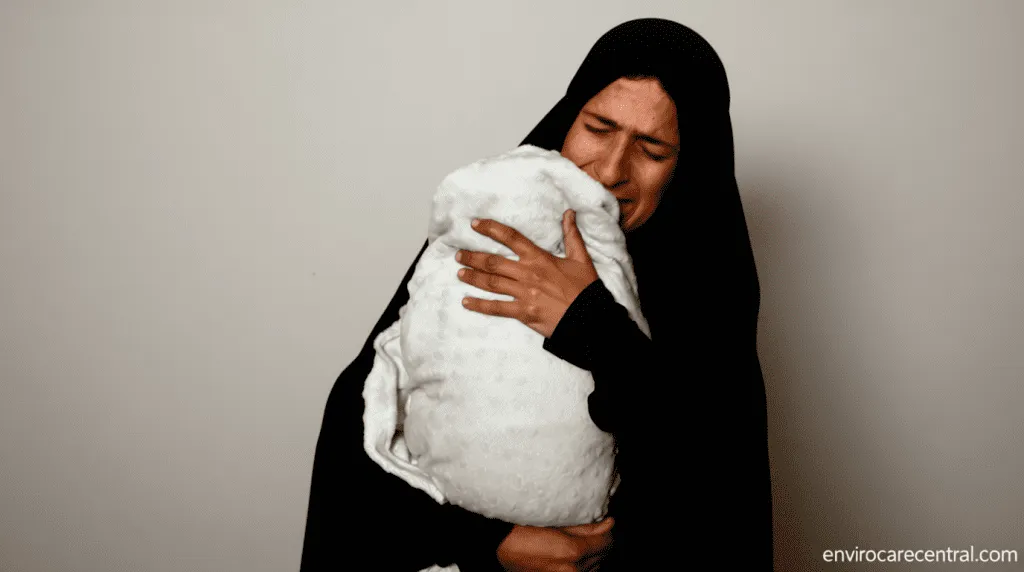
Marwa Kalloub’s worst fears materialized when her eight-year-old daughter Mariam was admitted to hospital with flu-like symptoms, only to pass away days later. The mother had no reason to believe the illness would be fatal, relying on her child’s natural defenses and simple treatments to see her through.
Yet Gaza’s healthcare system, battered by years of Israeli restrictions, has left even common ailments as deadly as war. With limited resources and a population weakened by ongoing crises, a minor illness became a turning point for the family.
“Mariam had no prior health problems,” shared her aunt, Iman Kalloub, with Middle East Eye. “Before she died, she endured a severe cough, nausea, and high fever. She stopped eating entirely.”
By the time Mariam’s mother brought her to Rantisi Hospital on 11 January, the facility had transformed from a hub for treating childhood diseases like kidney failure and cancer into a makeshift clinic for respiratory and gastrointestinal issues. Israeli attacks had repeatedly damaged the hospital, forcing it to adapt to new emergencies.
The family had celebrated the October ceasefire with cautious optimism, using the respite to rebuild and send Mariam back to school. But the child’s death, caused by a virus, shattered their hope. “Two years of war didn’t kill her. A small virus did,” lamented Kalloub.
Health system on the brink
Doctors at the hospital struggled to provide adequate care. Mariam’s lungs were in critical condition, and treatment options were limited. “They could only give her oxygen. Even basic intravenous support was out of reach,” recounted her mother.
Across Gaza, the spread of a rapidly mutating virus has intensified concerns. Health officials remain uncertain about its exact nature, citing shortages of diagnostic tools and equipment. Residents now face unpredictable outcomes from illnesses that would typically be manageable elsewhere.
“There’s hardly a household without someone infected,” said Mohammed Abu Salmiya, director of al-Shifa Medical Complex. He noted the virus could be influenza, a variant, or even Covid-19, as the healthcare system grapples with a surge in patients.
Humanitarian toll
Emergency admissions have tripled, with most cases involving respiratory infections, fever, and severe weight loss. Overcrowding has pushed bed occupancy to 150-200 percent, according to Abu Salmiya. The situation is compounded by displaced families living in leaky tents, contaminated water sources, and compromised immunity due to malnutrition.
A November 2025 report by the World Health Organization-led Health Cluster revealed alarming shortages. Nearly half of essential medicines were unavailable, while 71 percent of basic supplies were depleted. “Diagnosis and treatment are nearly impossible without adequate resources,” Abu Salmiya explained.
Despite the ceasefire beginning on 10 October, UN agencies reported last month that 77 percent of Gaza’s population still faces acute food insecurity. This vulnerability has amplified the risk of illness, turning everyday health threats into life-or-death scenarios.
