
Trump says Iran’s handling of Strait of Hormuz is ‘not the agreement we have’
Trump Criticizes Iran’s Management of Oil Traffic Through Strategic Waterway
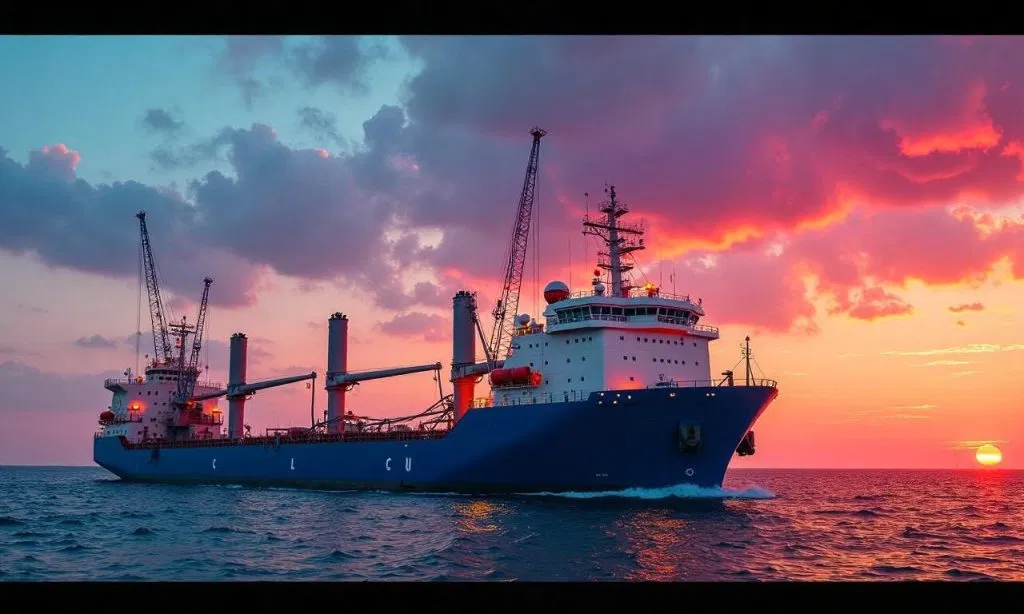
President Donald Trump criticized Iran for its management of oil traffic through the critical Strait of Hormuz, calling it a “very poor job” and stating it was “not the agreement we have.” His remarks underscored the uncertainty surrounding the ceasefire terms, which have been muddled by differing interpretations. The comments came alongside Israeli Prime Minister Benjamin Netanyahu’s announcement of direct talks with Lebanon, aimed at disarming Hezbollah and fostering peace.
Lebanon’s Call for Ceasefire Amid Israeli Strikes
Lebanese officials had urged a pause in hostilities before the negotiations, but Netanyahu asserted in a speech to northern Israel residents that “there is no ceasefire in Lebanon.” Israeli strikes continued throughout Thursday, targeting Hezbollah rocket sites in the south, leading to a temporary reduction in attacks overnight. Trump claimed Israel would “scale back” its operations to support peace efforts, stating, “I spoke with Bibi and he’s going to low-key it. I just think we have to be sort of a little more low-key,” following a call with Netanyahu.
“There are reports that Iran is charging fees to tankers going through the Hormuz Strait,” Trump wrote on Truth Social. “They better not be and, if they are, they better stop now.”
The strikes prompted new evacuation warnings for Beirut’s southern suburbs, including the Jnah area home to two major hospitals. Tedros Adhanom Ghebreyesus, WHO head, noted that evacuating 450 patients—40 in ICU—was operationally unfeasible due to limited medical alternatives. Among the wounded were 1,150 people reported by Lebanon’s health ministry. The Ministry of Public Health headquarters, housing over 5,000 people in shelters, was also in the evacuation zone.
Ceasefire Confusion and Retaliatory Threats
The initial ceasefire faced confusion over Lebanon’s inclusion, with Iranian officials and Pakistan mediators asserting it was part of the deal. However, U.S. and Israeli officials clarified that Lebanon was not involved. This ambiguity led Iran to accuse Israel of violating the agreement, blocking shipping through the Strait of Hormuz and threatening counterstrikes.
Israel maintains a significant military presence in southern Lebanon, where villages have been destroyed recently. The success of peace talks hinges on Israel’s commitment to a temporary ceasefire, which remains uncertain. The Lebanese government, despite banning Hezbollah’s military actions in early March, has not curbed the group’s operations. Recently, Lebanon’s cabinet ordered security forces to limit weapons in Beirut to state institutions, with Prime Minister Nawaf Salam stating, “The army and security forces are requested to immediately begin reinforcing the full imposition of state authority over Beirut Governorate.”
