
By allowing Israel to bomb Iran, Trump is pushing Tehran to go nuclear
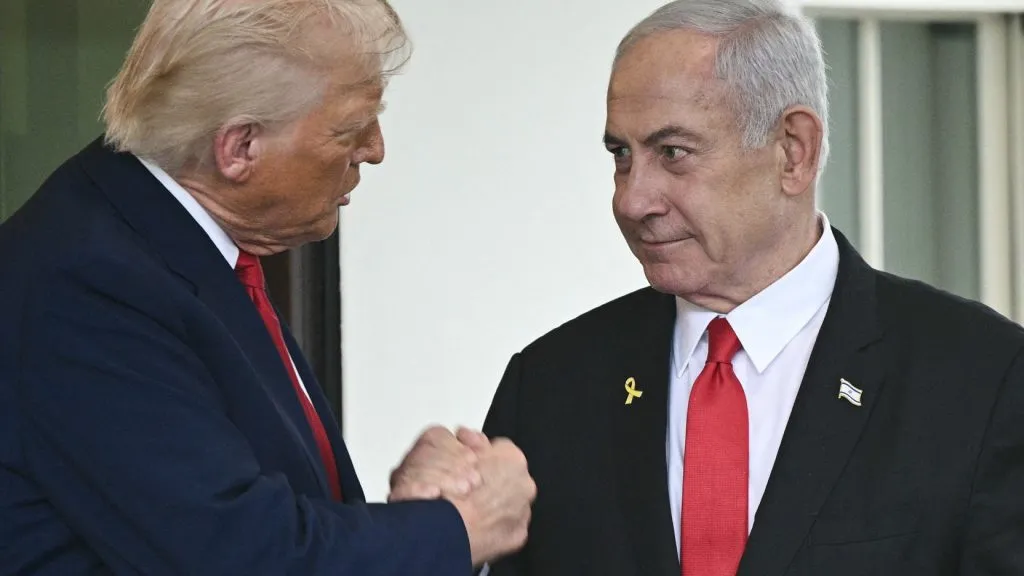
By allowing Israel to bomb Iran, Trump is pushing Tehran to go nuclear
Donald Trump’s choice to permit Israel’s assault on Iran represents the most disastrous strategic error by a U.S. president since George W. Bush’s invasion of Iraq. The 2003 campaign ignited a decade-long conflict, resulting in at least 655,000 fatalities, according to The Lancet, and birthed extremist factions like the Islamic State. It also nearly dismantled Iraq, a nation that has yet to fully recover 14 years later.
Trump’s current move threatens to surpass those consequences. By enabling Israeli Prime Minister Benjamin Netanyahu to strike Iran during ongoing talks with Tehran, the U.S. presidency now shares the dubious credibility of figures like Al Capone or Joaquin “El Chapo” Guzman. This behavior mirrors that of a criminal syndicate rather than a global superpower.
Who can now believe America’s promises? A waning power like the U.S. will eventually need to rely on the trust of others. Trump and his advisors show no awareness of their impact, reveling in their deception while rapidly dispatching Hellfire missiles and real-time intelligence to Israel.
Israel’s drones targeted enemies in their sleep or lured them to headquarters, where they were eliminated. This was hailed in Tel Aviv and Washington as a triumph. US Secretary of State Marco Rubio praised the “exquisite intel” shared with Israeli forces.
“Iran must make a deal, before there is nothing left, and save what was once known as the Iranian Empire. No more death, no more destruction, JUST DO IT, BEFORE IT IS TOO LATE. God Bless You All!”
Trump’s rhetoric toward Iran appears naive. Consider the nation’s 92 million people and its millennia of history. The Iranian people will not forget the gas attacks that followed Saddam Hussein’s aggression, backed by Western allies. These strikes, supported by US and European nations, used chemical agents from German companies. The technology and precursors for mustard gas, sarin, and tabun were supplied to Baghdad.
Western complicity endured even after the Halabja massacre, where Kurds were gassed. Richard Beeston of The Times recounted how British diplomats downplayed the event’s severity. Reagan’s administration, in 1983, formalized its stance through National Security Decision Directive 114. The directive prioritized protecting U.S. troops and Gulf oil interests, ignoring Saddam’s chemical weapons arsenal.
Years later, the war’s legacy remains. Iranians still suffer from its aftermath, and the conflict forged Tehran’s resolve. The Islamic Republic’s defense network, spanning from Mediterranean shores to its borders, emerged as a direct response to that brutality. Today, Iran’s “axis of resistance” may be less formidable than it was two years ago—yet the scars of past aggression linger.
