Goalkeeper Tactical Timeouts Banned at World Cup
Goalkeeper tactical timeouts to be banned – Football’s governing body, FIFA, has introduced a new rule for the 2026 World Cup that will prevent players from rushing to the technical area to communicate with their coaches when a goalkeeper is injured. This decision was made after years of debate over the tactic, which has been criticized for allowing teams to disrupt the flow of play without a clear reason. Pierluigi Collina, FIFA’s referees’ chief, confirmed that the International Football Association Board (Ifab) has approved the change, which will require players to remain on the field or gather in the center circle during such scenarios.
The Incident That Sparked the Rule Change
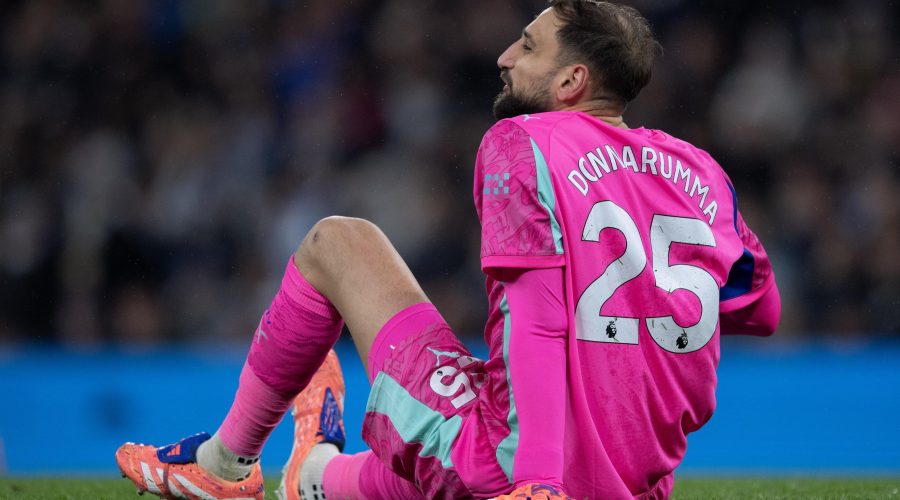
One of the most notable controversies surrounding goalkeeper tactical timeouts occurred during a Premier League match between Leeds United and Manchester City. Daniel Farke, the Leeds manager, accused Gianluigi Donnarumma of feigning injury to “bend the rules” and create a pause in the game. According to Farke, Donnarumma would sit on the turf, signal for the physio, and then immediately resume play once the team received coaching instructions. This maneuver, while strategic, has been seen by some as an unfair advantage, particularly when the injury is not genuine.
“The goalkeeper has the right to be injured, but the players do not have the right to leave the field of play to have a sort of timeout with their respective coaches,” Collina emphasized.
Collina, who led discussions with coaches from all 48 participating teams, explained that referees will now be proactive in preventing this tactic. “We told them that referees will not allow the two teams to go to the benches when a goalkeeper is lying on the ground injured,” he said. The rule aims to ensure that the only individuals on the field during such interruptions are the referee, the physio, and the goalkeeper, leaving other players to stay in play or congregate in the center circle.
VAR Protocol Update for Attacking Fouls
Alongside the timeout ban, Ifab has also modified the video assistant referee (VAR) protocol. The change allows for the review of attacking fouls that occur before the ball is in play, expanding the scope of decisions that can be challenged. This adjustment was prompted by concerns over how fouls during set pieces, such as corners and free kicks, were being handled in previous matches.
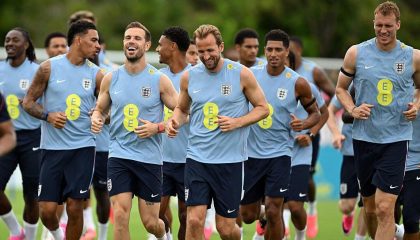
Collina highlighted a specific case where this update will be crucial: an England goal scored in March against Uruguay at Wembley. During the match, Adam Wharton blocked the run of Jose Maria Gimenez before the ball was kicked, allowing the play to continue uninterrupted. This foul, which was deemed clear and illegal, will now be eligible for VAR review. “We think this is very unfair, that the goal is given when the defender is prevented from being able to defend,” Collina stated. “A clear, illegal block made by an attacker. The only objective was to prevent the defender from being able to defend on his opponent.”
The revised protocol will apply to goals, penalty kicks, or disciplinary sanctions that occur during corners or free kicks. This means that if an attacking player commits a foul before the ball is set in motion, the VAR can intervene to assess the incident and potentially overturn the goal. The measure will be implemented for the World Cup but will be reviewed afterward to determine its long-term effectiveness.
How the NWSL Implemented a Temporary Measure
Before FIFA’s official rule change, the National Women’s Soccer League (NWSL) had already taken steps to address the issue. Earlier this year, the NWSL introduced a temporary solution where players must stay in the center circle or on the field if a goalkeeper is injured. This measure aims to minimize the disruption caused by teams leaving the pitch to discuss strategy with their coaches.
Collina acknowledged that the NWSL’s approach could serve as a model for FIFA. However, he noted that the new rule goes further by restricting all players from accessing the touchline during goalkeeper injuries. “All the other players leave the pitch, and it is not good,” he remarked. “There should be a balance between tactical adjustments and maintaining the game’s natural rhythm.”
While the NWSL’s measure has been effective in reducing the frequency of such interruptions, FIFA’s rule is more comprehensive. It addresses the issue not just in set pieces but during any play where a goalkeeper is injured. The decision reflects a growing consensus among coaches and officials that the tactic, when used to manipulate the game’s flow rather than for genuine tactical reasons, undermines the spirit of competition.
Effectiveness and Challenges of the New Rule
Despite the rule’s intent, its effectiveness at the World Cup remains a topic of discussion. One potential challenge is the three-minute hydration break in each half, which creates a natural pause for teams to regroup. Collina admitted that this break might still allow coaches to adjust strategies, even if players cannot immediately leave the field. “The effectiveness of the measure is open to debate,” he said. “But we are confident that the rule will be enforced consistently.”
Collina also mentioned that players who attempt to speak to their coaches during a goalkeeper timeout will not face disciplinary action. This approach is designed to encourage compliance without penalizing teams for minor infractions. “There will be no yellow cards or disciplinary action for players who do try to go over and speak to the coach,” he added. “The focus is on ensuring the game flows smoothly, not on punishing teams for strategic moves.”
While the rule has been praised for its clarity, some critics argue that it may not fully eliminate the problem. For instance, a goalkeeper could still feign injury to create a brief pause in the match, even if the team’s players are restricted from leaving the field. Collina, however, believes the new protocol strikes the right balance. “We are very confident to receive a clarification from Ifab before the World Cup,” he said. “This will allow referees to act decisively and fairly.”
The Broader Implications for Football
The changes to goalkeeper tactical timeouts and VAR protocols signal a shift in how football officials manage the game’s pace and fairness. By restricting players from gathering in the technical area during such moments, FIFA aims to reduce the frequency of strategic pauses that could be used to disrupt the opposing team’s momentum. This decision also expands the role of VAR, ensuring that fouls affecting the game’s outcome are scrutinized more thoroughly.
Collina’s initiative has sparked conversations about the need for consistent enforcement across all competitions. While leagues like the Premier League and NWSL have experimented with similar rules, the World Cup’s implementation will set a precedent for international football. The upcoming tournament will serve as a testing ground for these changes, with officials expected to evaluate their impact before considering further adjustments.
In addition to the timeout ban, the revised VAR protocol will also allow for the review of attacking fouls that occur before the ball is in play. This could have significant implications for how teams defend and how referees make decisions, particularly in high-stakes moments. The England vs. Uruguay goal in March is a prime example of how this rule will be applied, as it highlights the potential for unfair advantages in set-piece situations.
As the 2026 World Cup approaches, teams will need to adapt their strategies to accommodate these new rules. Coaches may find alternative ways to communicate with players, while players will have to rely on in-game adjustments rather than brief pauses. The success of the rule will depend on how effectively referees enforce it and how quickly teams learn to adapt. For now, the focus is on ensuring that the game remains fair, dynamic, and true to its essence.