
Planetary parade: How and when to spot six planets in UK skies in rare alignment
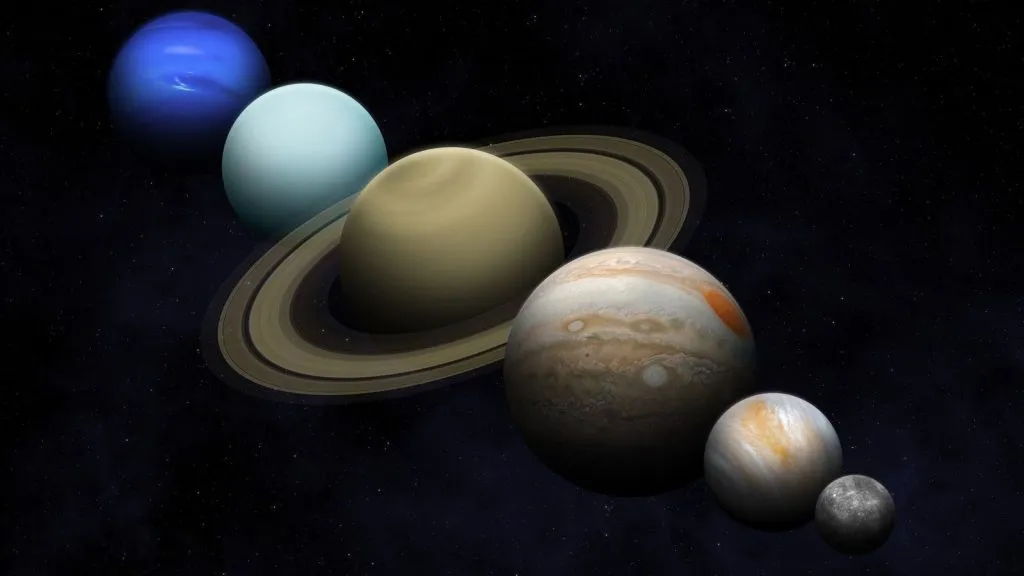
Planetary Parade: How and When to Spot Six Planets in UK Skies During a Rare Alignment
Over the weekend of February 28th and March 1st, UK skies will host an extraordinary celestial event as Mercury, Venus, Saturn, Jupiter, Uranus, and Neptune align in a rare planetary parade. This phenomenon, which offers a unique opportunity to observe multiple planets at once, is highlighted by the Greenwich Royal Observatory as a noteworthy occurrence.
Visibility and Timing
After sunset on Saturday, February 28th, and Sunday, March 1st, observers across the globe may spot Mercury, Venus, Saturn, and Jupiter with the naked eye, provided the skies are clear. However, Uranus and Neptune will require binoculars or telescopes for visibility, according to the Royal Observatory.
For those in the UK, Sunday is anticipated to be the optimal day for viewing the planets. Astronomy platform Star Walk suggests the best moments will be around 6:10pm in London and 6:16pm in Manchester, making these times ideal for stargazing. On Saturday, clear skies are expected in England and Wales, though cloud cover may spread from the north and west. Sunday’s weather, while showery in the east, will likely provide clearer conditions in southern England.
Identifying Planets
Planetary scientist Sara Mazrouei from Humber Polytechnic in Canada offers a simple method for distinguishing planets from stars: “If it is twinkling, it’s a star. If it is not twinkling, it’s a planet.”
“Planetary alignments, where multiple planets appear close together in the sky, occur periodically but are relatively rare,” explains Dr. Shyam Balaji, a researcher in astroparticle physics and cosmology at King’s College London.
According to NASA, planets in our solar system orbit the sun and occasionally form apparent line-ups in space. These alignments, though not perfectly straight, appear as arcs or lines from Earth due to the relative positions of the planets. While not all six will be visible simultaneously, the event will showcase a notable concentration of celestial bodies.
Optimal Viewing Tips
To enhance the chances of witnessing this celestial spectacle, Dr. Balaji recommends the following:
- Seek a dark, open location to avoid light interference from city lights.
- Consult astronomical software or websites for the most current positions of the planets.
- Exercise care when observing near sunrise or sunset, as atmospheric conditions can affect visibility.
- Monitor updates from trusted astronomy sources as the event approaches.
Despite the potential for cloud cover, the alignment offers a rare chance to glimpse six planets in the same region of the sky, making it a memorable sight for stargazers. Weather conditions will play a crucial role in determining the success of the observation, so planning accordingly is advisable.
