
Iran says it will ‘facilitate and expedite’ humanitarian aid through Strait of Hormuz
Iran Says It Will ‘Facilitate and Expedite’ Humanitarian Aid Through Strait of Hormuz
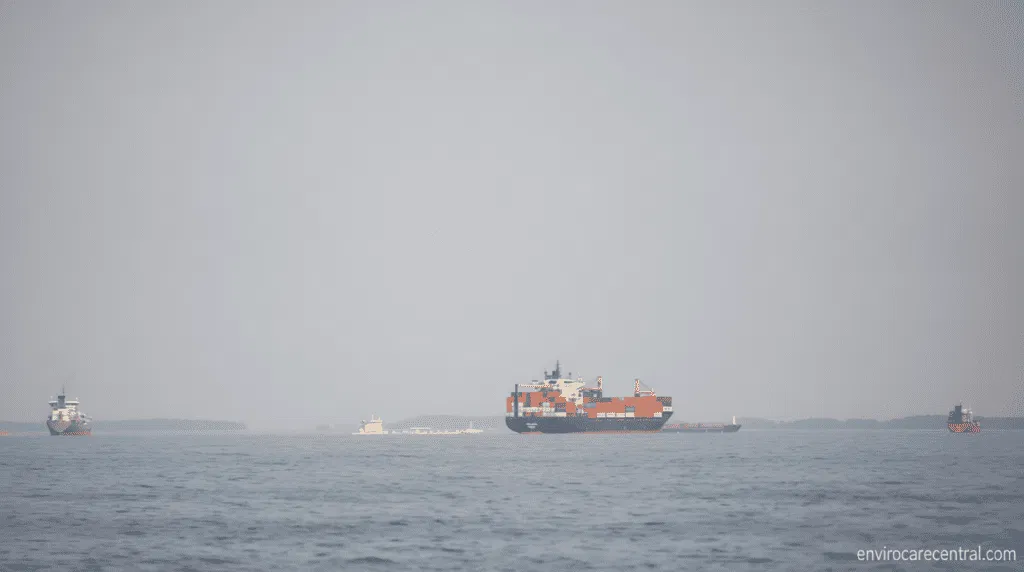
On Friday, Iranian ambassador to the UN in Geneva, Ali Bahreini, announced Tehran’s agreement to ease the flow of humanitarian aid and agricultural goods via the Strait of Hormuz. This move comes amid ongoing conflict, with the UN task force recently established to address disruptions in aid distribution caused by the war. The aid initiative marks the first significant progress at the vital waterway since hostilities began a month ago.
While international markets and governments have primarily tracked the impact on oil and natural gas supplies, the restriction of fertiliser availability has raised concerns about global food security. “This measure reflects Iran’s continued commitment to supporting humanitarian efforts and ensuring that essential aid reaches those in need without delay,” Bahreini stated in a post on X.
Israeli Strikes Target Nuclear Facilities
Just hours before the aid announcement, Iranian state media revealed that two nuclear sites had been hit by air strikes. The UN atomic watchdog reiterated its plea for military restraint, noting “no increase in off-site radiation levels” at the affected locations. The Israeli military claimed responsibility for the attacks, emphasizing that the Yazd plant plays a key role in uranium enrichment.
“Attack contradicts POTUS extended deadline for diplomacy,” Iranian Foreign Minister Abbas Araghchi wrote on X, referencing U.S. President Donald Trump. “Iran will exact HEAVY price for Israeli crimes.”
The Shahid Khondab Heavy Water Complex in Arak and the Ardakan yellowcake production plant in Yazd Province were targeted, according to IRNA. The strikes caused no casualties and posed no contamination risk. The Arak facility, already inoperable since June’s Israeli assault, now faces further disruption.
Global Diplomatic Efforts and Military Movements
Diplomats from Pakistan and Turkey are working to arrange a direct dialogue between U.S. and Iranian representatives. Meanwhile, the G7 foreign ministers meeting in France urged an immediate cessation of attacks on civilian populations and infrastructure. U.S. military vessels are nearing the region, transporting 2,500 Marines and at least 1,000 paratroopers from the 82nd Airborne, prepared to secure key positions in hostile areas.
Despite the military buildup, Secretary of State Marco Rubio noted during the G7 meeting that most U.S. objectives in Iran are “ahead of schedule,” with the potential to achieve them without deploying ground troops. The Islamic Revolutionary Guard Corps warned of retaliation, with Seyed Majid Moosavi, commander of the IRGC’s Aerospace Force, stating that employees of U.S.-linked companies should leave their workplaces. “This time, the equation will no longer be ‘an eye for an eye,’ just wait,” he added.
