
Netanyahu vows further strikes on Iran and Lebanon as missile hits Tel Aviv
Netanyahu vows further strikes on Iran and Lebanon as missile hits Tel Aviv
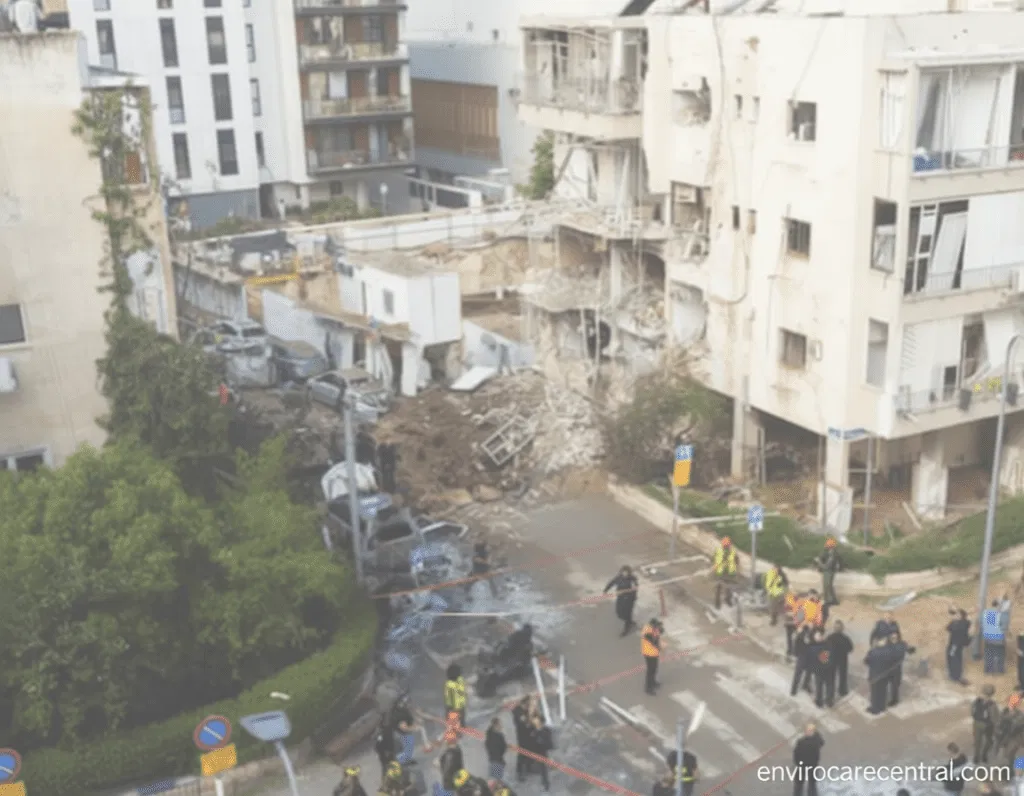
An Iranian missile struck central Tel Aviv on Tuesday, sending a thick plume of smoke into the city’s skyline and reigniting tensions in the Middle East. The attack, which caused widespread damage to buildings and vehicles, injured at least six people lightly. Emergency services reported casualties at one of the impact sites, with one structure and its adjacent road suffering heavy damage, including cars set ablaze.
Prime Minister Benjamin Netanyahu vowed to continue his campaign against Iran and Lebanon, signaling that the conflict remains far from resolution. His remarks came as Iranian forces launched retaliatory strikes, targeting Israeli troops in northern Israel and the Gaza area. The Islamic Revolutionary Guard Corps issued a statement, declaring it would conduct “unrestrained” missile and drone attacks unless Israel halted operations in Lebanon and Palestine.
“There’s more to come,” Netanyahu said, reinforcing the stance of Israeli officials who expressed doubt that Iran would agree to US proposals in new talks. Three officials told Reuters the likelihood of a deal seemed low, aligning with the prime minister’s message.
The attack followed Israeli operations announced on Monday, which included strikes on Iranian infrastructure in Tehran. About 40 minutes after Donald Trump suggested delaying action against Iran’s power facilities, Israel declared it had initiated another wave of attacks, targeting the regime’s military installations across the country. The Israel Defense Forces emphasized that energy facilities were spared, hinting at coordination with Washington to avoid damaging critical infrastructure.
According to the US-based Human Rights Activists’ News Agency, Iran has faced at least 206 attacks in the past 24 hours, resulting in four casualties. Fars news agency reported six deaths in Tabriz from strikes on residential areas. Since the conflict began, Israel’s health ministry has documented 4,829 injured individuals, with 111 still hospitalized and 12 in serious condition.
The Israeli military’s Telegram statement detailed its efforts to dismantle Iranian missile capabilities, claiming destruction of multiple launchers and ballistic storage sites. Despite these successes, Tehran has persisted in penetrating Israel’s defenses. The recent escalation also reached Gulf states, with Iranian strikes affecting Bahrain and Kuwait. Bahrain’s interior ministry noted a fire at a company site caused by an attack, while Kuwait experienced power outages due to damaged lines from air defense shrapnel.
Saudi Arabia’s defense ministry confirmed intercepting and neutralizing 19 Iranian drones aimed at its oil-rich eastern region. The strikes underscore a broader pattern of retaliation, with both sides continuing to escalate tensions. Israel’s claim of near-total control over Iranian airspace contrasts with the ongoing threats, as the conflict shows no signs of slowing.
