
Trump needs China’s help fixing the global oil crisis. It’s unlikely to play along
Trump needs China’s help fixing the global oil crisis. It’s unlikely to play along
Strait of Hormuz as a New Negotiation Front
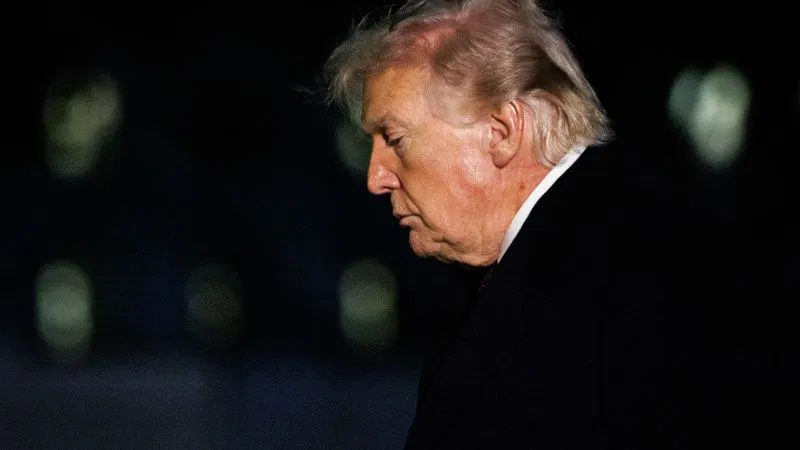
With only two weeks remaining until President Donald Trump’s pivotal negotiations with Chinese leader Xi Jinping in Beijing, he has introduced an unexpected demand: securing the reopening of the Strait of Hormuz. The strategic waterway, blocked by Iran, has disrupted one-fifth of the world’s oil supply, fueling price surges and economic anxieties. Trump, now seeking allies beyond the US, is urging nations like France, Japan, and Britain to collaborate on stabilizing the region.
His push for China’s involvement comes amid heightened pressure, as he hinted at possibly postponing the summit if Beijing doesn’t commit. “Those who benefit from the Strait should ensure its safety,” Trump stated in a Financial Times interview. “China should help too.” This request raises questions, as it asks Beijing to risk its military resources in a conflict involving a key ally, while threatening to hold back diplomatic progress.
China’s Strategic Position and Calculations
Beijing’s reluctance stems from its ability to weather prolonged energy turmoil. Over recent years, the nation has bolstered its reserves, diversified trade routes, and invested heavily in renewable energy sectors. These measures have shielded it from the immediate shocks of the current crisis. Analysts suggest China may adopt a wait-and-see stance, leveraging its geopolitical stability to avoid entanglement.
“Given their strategic security, China would have room to maneuver,” remarked Bert Hofman, a scholar at the National University of Singapore. “They’re not in the same position as others.”
Global Reactions and Domestic Concerns
As the conflict intensifies, domestic tensions in the US have grown, with rising fuel costs prompting criticism. Meanwhile, in China, the situation is viewed with a mix of amusement and scrutiny. Henry Huiyao Wang, head of a Beijing-based think tank, noted, “Trump is isolated these days, with few global supporters.” He added, “The war in Iran has disrupted the world, and he’s in a difficult spot.”
Chinese state media has called for unity in addressing global challenges, yet the Global Times, a nationalist publication, questioned the intent behind Trump’s call for international military support. “Is this truly about shared responsibility—or about sharing the burden of a war Washington initiated but cannot resolve?” the op-ed asked, highlighting Beijing’s cautious approach.
Diplomatic Leverage and Ongoing Talks
Trump’s request to delay the summit follows a setback in his ability to influence China. Earlier this year, a Supreme Court ruling stripped him of unilateral tariff authority, weakening his bargaining power. Despite this, economic discussions in Paris continue, focusing on agriculture and mineral trade agreements. Foreign Ministry spokesperson Lin Jian emphasized the importance of the meeting, stating, “Head-of-state diplomacy is vital for guiding US-China relations.”
China, Iran’s largest oil buyer and a critical partner, faces no immediate pressure to align with Trump’s agenda. While it has criticized the attacks on Iran’s infrastructure, it has also defended its own role in regional stability. The nation’s strategic flexibility leaves it poised to act only when it sees mutual advantage.
