
US not ready to seek deal to end war with Iran, Donald Trump says
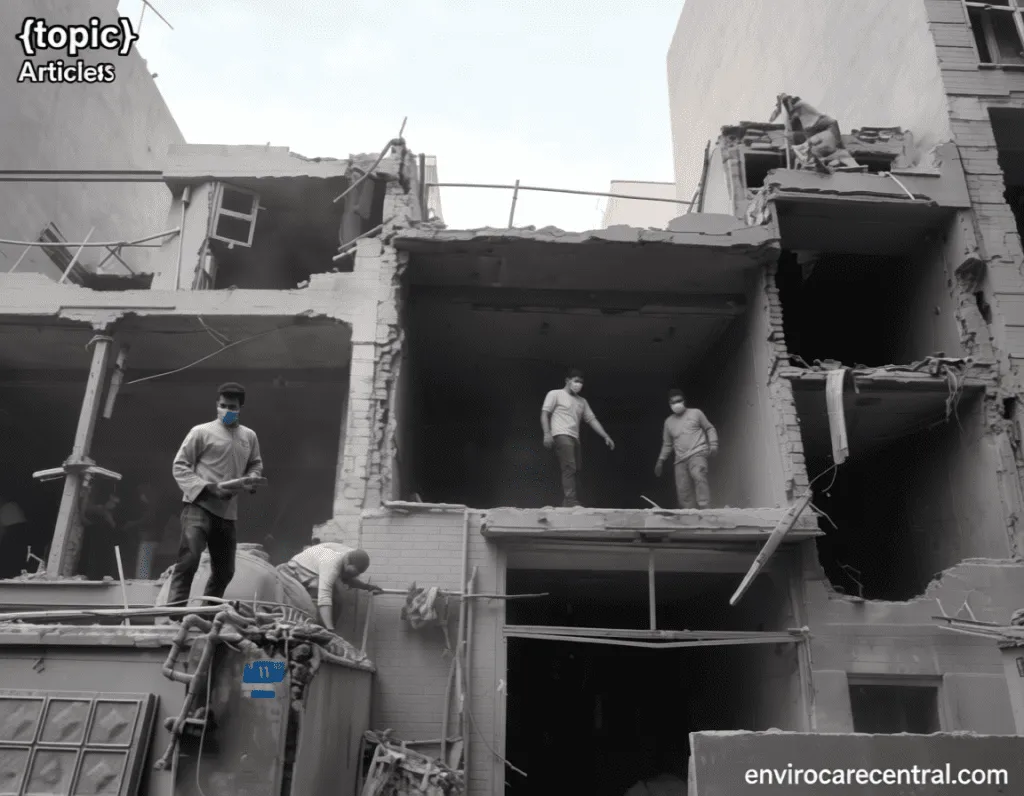
Donald Trump Says US Not Yet Prepared to Negotiate with Iran
Donald Trump has indicated that the United States is not prepared to pursue a truce ending the joint campaign against Iran with Israel. Despite his belief that Tehran is eager to discuss a ceasefire, he stated the US would continue its offensive for improved conditions. His remarks came amid Iran’s recent missile and drone strikes on Gulf nations and Israel, as well as intensified air attacks by Israeli and American forces on Iranian targets.
The ongoing conflict has triggered widespread instability across the Middle East, disrupted global air travel, and halted oil exports from the region, causing international fuel prices to climb. Neither Iran nor the US has shown signs of easing their rhetoric, even as the death toll rises and the Hormuz Strait remains effectively closed. Trump, speaking to NBC News on Saturday, hinted at potential further strikes on Kharg Island, where Iran’s primary oil infrastructure is located, as a “just for fun” move after Friday’s military targeting there.
Escalating Tensions and Strategic Moves
Trump emphasized that the US would increase attacks on the Iranian coast north of Hormuz to ensure safe passage for oil shipments. However, experts note that clearing the strait militarily alone will be challenging as long as Iran maintains its ability to target shipping through missiles, drones, or small vessels. The US has also called on allied nations to assist in protecting tankers navigating the vital waterway, which transports roughly 20% of the world’s oil and gas.
“Iran wants to make a deal, and I don’t want to make it because the terms aren’t good enough yet,” Trump said.
Iran’s foreign minister, Abbas Araghchi, urged restraint in actions that could worsen the conflict during a conversation with France’s Jean-Noël Barrot. According to an Iranian statement, Araghchi emphasized the need for diplomatic efforts to prevent further escalation. Meanwhile, Iran’s new supreme leader, Mojtaba Khamenei, vowed to keep Hormuz closed in a written declaration. Trump, however, questioned Khamenei’s authority, claiming: “I don’t know if he’s even alive. So far, nobody has been able to show him.”
Human Toll and Regional Impact
Iran confirmed that Khamenei, 56, was injured during the strike that began the war on 28 February, killing his father, the former leader. The injuries were described as minor, but the conflict has already claimed over 1,300 lives, including 223 women and 202 children, according to Iranian health ministry data cited by Mizan. The UN refugee agency reports that up to 3.2 million Iranians have been displaced, many fleeing urban centers for safety.
Despite the war’s disruptions, some parts of Tehran showed a semblance of normalcy. Witnesses noted that people returned to work, traffic increased, and a few cafes and restaurants reopened ahead of Nowruz, the Persian New Year. However, Bank Melli’s online services had been paralyzed recently, with shoppers lining up at ATMs for cash. In other areas, bus stops remained largely empty, reflecting the region’s ongoing unrest.
Violence persists beyond Iran, with the US advising citizens to evacuate Iraq after pro-Iranian groups attacked its embassy and military bases. Kurdish factions in the north also reportedly launched new strikes against potential US allies. As mediation efforts continue between Iran and its neighbors, the war shows no immediate signs of abating.
