Key Figure in South Africa Police Corruption Scandal Pleads Guilty
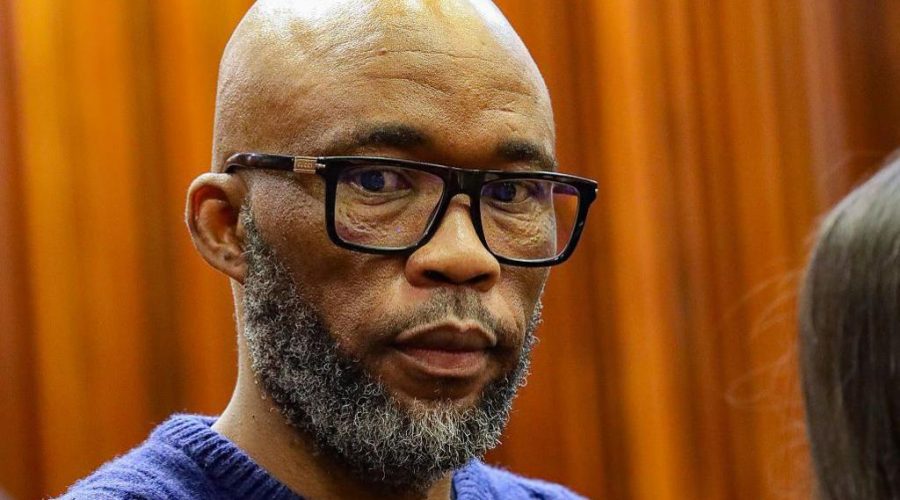
Key figure in South Africa police – In a significant development, Vusimusi “Cat” Matlala, a central figure in South Africa’s ongoing police graft inquiry, has entered a guilty plea to corruption, fraud, and money-laundering charges as part of a negotiated deal with state prosecutors. The agreement, which is still awaiting approval from the magistrate, could lead to a reduced sentence for Matlala, who is 49 years old. According to state advocate Santhos Manilall, the deal is crucial because it provides prosecutors with detailed evidence that could aid in bringing high-ranking officials to justice.
Matlala’s guilty plea relates to allegations that he bribed top police officials to secure a 360m rand ($22m; £16.5m) tender for his health company, Medicare24, in 2024. The charges stem from a corruption probe that has been scrutinizing the South African police force for years. Under the terms of the plea, Matlala is expected to testify truthfully in upcoming trials, offering insights that might not have been available otherwise. Manilall emphasized that this arrangement represents a breakthrough, as the accused has now provided “detail that we would not have been made aware of.”
“For the first time, we have an accused who has given us detail that we would not have been made aware of,” said Manilall, highlighting the value of the deal. The negotiations, which spanned almost two months, were described as intense but ultimately successful in securing a favorable outcome for the prosecution.
The plea deal, however, has drawn criticism from political opponents. The Democratic Alliance (DA), a junior party in South Africa’s governing coalition, accused the arrangement of being a “sweetheart deal” and a “betrayal of accountability.” DA justice spokesperson Glynnis Breytenbach argued that the deal reflects a two-tier justice system, where prominent corruption figures can negotiate discounts on their sentences while others face harsher penalties. “One of the country’s most prominent corruption accused is allowed to negotiate what amounts to a discounted sentence,” she said, calling the agreement a sign of inconsistency in the legal process.
Matlala’s case is part of a broader investigation into police corruption that has captured public attention. The Madlanga Commission, which has been examining the infiltration of organized crime into the South African Police Service (SAPS), has implicated Matlala in a drug-trafficking network. A witness at the commission alleged that the cartel had embedded itself within the police force, influencing decisions and securing contracts. Despite these claims, Matlala has not commented on the accusation, though he previously testified at a parliamentary inquiry last year, denying personal ties with senior police officers and politicians.
As the magistrate prepares to rule on the plea deal, the case remains a focal point of debate. The potential eight-year prison sentence for Matlala underscores the severity of the charges, but the DA argues that the leniency of the deal could undermine public trust in the justice system. Meanwhile, the police chief, Gen Fannie Masemola, is among those facing charges linked to the corruption probe. She has denied the allegations, maintaining her innocence while the investigation continues to unfold.
Graft Inquiry Intensifies Focus on Police Leadership
The Madlanga Commission, launched in September 2023, has been investigating the systemic corruption within the police force. Witnesses have testified about collusion between criminal underworld figures and high-ranking officials, with some suggesting that organized crime has gained significant influence over key decision-making processes. Lt-Gen Nhlanhla Mkhwanazi, a senior police officer, first raised concerns about this infiltration in July 2023, prompting the commission’s formation. The inquiry has since uncovered multiple layers of misconduct, linking police leadership to illicit activities such as drug trafficking and money laundering.
Matlala’s involvement in the drug-trafficking cartel adds another dimension to the scandal. While he has not confirmed the accusation, the testimony of witnesses at the Madlanga Commission implies that the police force may have facilitated the cartel’s operations. This alleged connection raises questions about the integrity of the institution, as the commission continues to probe how criminal networks have embedded themselves within the ranks of law enforcement. The case also highlights the challenges faced by investigators in untangling the complex web of corruption that spans from local police stations to national leadership.
Broader Implications for South African Governance
Matlala’s guilty plea is not just a personal admission but a symbol of the broader challenges confronting South Africa’s governance. The case has intensified scrutiny on the police minister, who has been accused of ties to criminal gangs, further emphasizing the pervasive nature of the corruption issue. These allegations have sparked public outrage, with many questioning the effectiveness of current anti-graft measures and the accountability of those in power.
The Madlanga Commission’s findings could reshape the political landscape, as they may expose systemic failures within the police force and the government. The investigation has also revealed the extent to which economic interests and political agendas have intertwined, creating a scenario where bribes and influence can determine the outcome of critical decisions. Matlala’s testimony, if accepted, could serve as a pivotal piece of evidence in these proceedings, potentially implicating higher-level officials in the scandal.
While the plea deal offers a glimpse of progress, critics argue that it may not fully address the root causes of corruption. The DA’s criticism reflects a growing sentiment that the legal system is being used to benefit those with resources, rather than to hold all accused individuals to the same standard. This perception could fuel further calls for reform, as the public demands transparency and accountability from both the police and political leaders.
The magistrate’s decision on the plea deal is expected next week, marking a critical juncture in the case. If approved, it will not only impact Matlala’s future but also set a precedent for how similar cases are handled. The outcome could influence public perception of the justice system and determine whether the investigation continues to make strides in exposing the depth of corruption within South Africa’s police force.
As the inquiry progresses, the case serves as a reminder of the challenges faced by institutions tasked with maintaining order. The allegations against Matlala, combined with the broader evidence of collusion, highlight the need for comprehensive reforms to ensure that the police force can operate free from undue influence. The Madlanga Commission’s work, along with parallel parliamentary inquiries, aims to shed light on these issues and pave the way for a more transparent and accountable system.
In the meantime, the public continues to watch closely as the legal proceedings unfold. The implications of Matlala’s guilty plea extend beyond his individual case, as they underscore the complexity of corruption in South Africa and the ongoing efforts to confront it. The outcome of this inquiry could shape the future of law enforcement and governance in the country, offering hope for a new era of accountability or deepening the perception of a flawed system.
For further coverage on developments across the African continent, visit BBCAfrica.com. Follow BBC Africa on Twitter @BBCAfrica, Facebook at BBC Africa, or Instagram at bbcafrica for updates on this and other stories shaping the region.