Israel Strikes Southern Lebanon as Hezbollah Condemns New Peace Deal
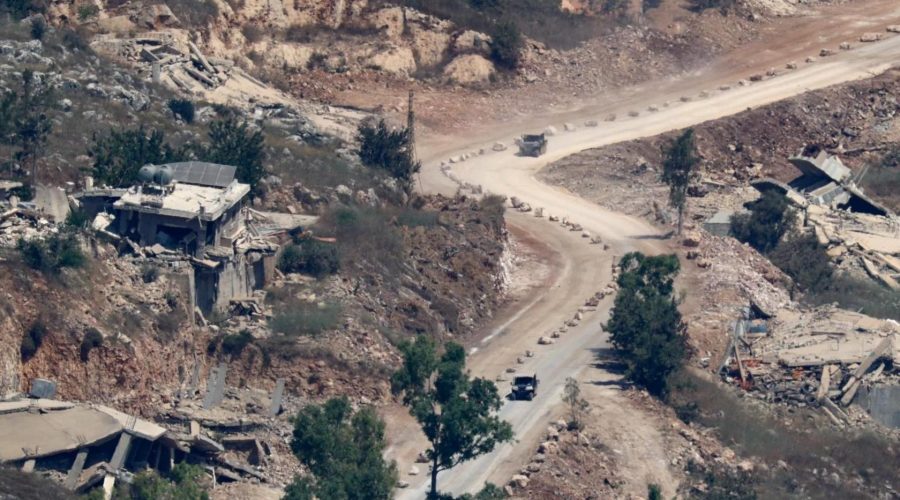
Israel strikes southern Lebanon as Hezbollah – On Saturday, Israeli forces conducted air strikes in southern Lebanon, resulting in one fatality and at least two injuries, according to the Lebanese health ministry. The attacks occurred a day after Israel and Lebanon signed a framework agreement in Washington, aimed at establishing a path toward enduring peace. The deal, brokered by the United States, outlines key provisions including Israel’s withdrawal from the South Litani region and the Lebanese army’s exclusive control over the area. However, Israeli troops are still allowed to remain in an expanded security zone within Lebanon, up to 10 kilometers into Lebanese territory.
The Lebanese state news agency reported that an Israeli drone targeted the southern town of Nabatieh al-Fawqa, followed by additional strikes in the vicinity. While the Israeli military confirmed the drone strike, it stated the action was taken against an individual deemed a threat to its operations. The details of the strike were not disclosed, leaving questions about the target’s identity and the broader strategic intent behind the attacks.
Hezbollah, the Iranian-backed militant group not involved in negotiating the deal, swiftly denounced the agreement as a betrayal of Lebanon’s sovereignty. In a statement, Hezbollah leader Naim Qassem called the framework “humiliating, shameful, and a surrender of sovereignty,” asserting it was “null and void.” He criticized the terms linking Israel’s withdrawal to Hezbollah’s disarmament, claiming they represented a crossing of “all red lines.” Qassem warned that the concessions made by the Beirut government could lead to the “annexation of these lands” and vowed that Hezbollah would continue its armed resistance against Israeli forces.
“The framework agreement in Washington is humiliating, shameful, and a surrender of sovereignty. This agreement is null and void,” said Hezbollah leader Naim Qassem. “The provisions linking Israel’s withdrawal to our disarmament are crossing all red lines. The Lebanese authorities have committed a grave blunder which may even lead to the annexation of these lands.”
Israeli Prime Minister Benjamin Netanyahu described the agreement as “historic” and emphasized its impact on Iran and Hezbollah. He framed the deal as a strategic victory, reducing Hezbollah’s influence in the region while securing Israel’s territorial gains. Despite these claims, the militant group remains defiant, viewing the agreement as a threat to its autonomy and a compromise of Lebanon’s independence.
The current conflict in Lebanon began on March 2, 2023, when Hezbollah launched missile attacks into Israel in retaliation for an Israeli strike that killed Iran’s supreme leader. Israel responded with a sustained air campaign and a ground invasion in the south, escalating the violence. According to Lebanese health ministry data, Israeli attacks have claimed at least 4,192 lives and injured over 11,600 people since the hostilities resumed. More than 1.2 million citizens have been displaced, highlighting the humanitarian toll of the war.
Israel’s military has acknowledged casualties on both sides, with 36 of its soldiers and four civilians reported killed. While the Lebanese government has focused on securing its borders, the agreement’s implementation has sparked concerns among Hezbollah supporters. The group’s rejection of the deal reflects its broader strategy of resisting external influence and maintaining its armed presence in southern Lebanon.
A previous US-brokered ceasefire in April 2023 failed to halt the fighting, underscoring the challenges of achieving stability. In June, Israel and Lebanon agreed to a renewed ceasefire, with the U.S. pledging support for creating “pilot zones” where Lebanese forces would exclusively control the territory. This plan was intended to reduce tensions and establish clear boundaries, but Hezbollah’s opposition suggests the road to peace remains fraught with obstacles.
Analysts suggest the agreement may serve as a temporary truce rather than a permanent resolution. The expanded security zone allows Israel to retain a strategic foothold, potentially enabling continued operations against Hezbollah. Meanwhile, Hezbollah’s call for resistance aims to rally domestic support and challenge the legitimacy of the deal. As both sides prepare for the next phase, the conflict’s impact on Lebanon’s infrastructure, economy, and political landscape continues to deepen.
Lebanon’s government faces mounting pressure to balance its commitments to peace with the demands of its militant allies. The agreement’s provisions, while offering territorial gains for Israel, leave critical areas under Israeli influence, raising fears of long-term occupation. Hezbollah’s condemnation of the deal reflects its determination to assert control over southern Lebanon, even as the Lebanese army takes over the South Litani region.
International observers are closely monitoring the situation, with concerns about the agreement’s implementation and its implications for regional security. The U.S. remains committed to mediating the process, but the success of the deal hinges on both parties’ willingness to uphold their commitments. For now, the Israeli air strikes and Hezbollah’s fierce opposition signal that the path to lasting peace remains uncertain, with significant human and political costs looming ahead.