
US Treasury secretary says short-term pain worth long-term security
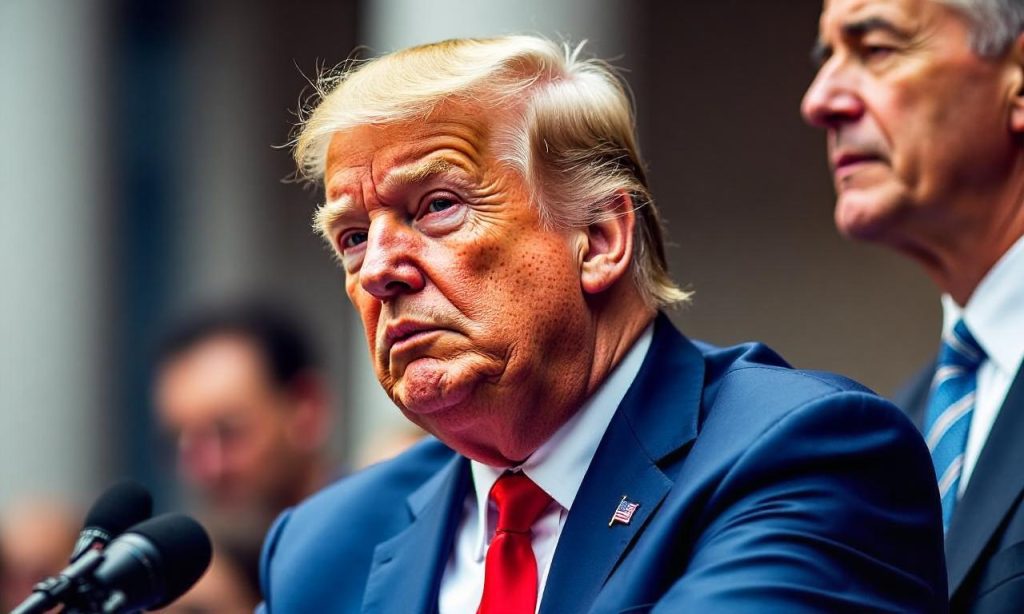
US Treasury Secretary Asserts Short-Term Economic Strain Justifies Long-Term Security Gains
Scott Bessent, the US Treasury Secretary, emphasized to the BBC that accepting modest economic setbacks was necessary to counter the possibility of Iranian nuclear strikes targeting major Western cities. Amid warnings from the International Monetary Fund (IMF) that the US-Israel conflict with Iran might trigger a global economic slowdown, Bessent argued that the long-term advantages of security outweighed immediate financial concerns.
“I question the impact on global GDP if a nuclear strike were to hit London,” Bessent remarked. “My focus is more on the enduring security benefits, even if it means tolerating temporary economic challenges.”
Iran maintains its nuclear program is purely peaceful, while the UK government has stated there is no evidence suggesting Iran seeks to attack Europe with missiles. Bessent, however, prioritized the risk Iran poses to global stability over the economic repercussions, citing recent events as proof of the threat.
“When Iranians targeted Diego Garcia, we gained clarity about their possession of mid-range intercontinental ballistic missiles capable of reaching London,” he explained. “We also confirmed their intent to develop nuclear capabilities.”
IMF Warns of Recession Risk Amid Escalating Tensions
In its World Economic Outlook report, the IMF highlighted that a prolonged conflict could lead to significant economic disruption. The agency warned that in the worst-case scenario—marked by surging oil, gas, and food prices—the global growth rate might dip below 2% by 2026, potentially pushing the world toward a recession.
Energy markets have fluctuated since the war began over six weeks ago, following the closure of the Strait of Hormuz and stalled peace negotiations. The IMF noted that oil prices have reached nearly $120 but have since retreated to $95 per barrel. It also stressed that the risk of recession would intensify if severe conditions persisted for more than two years.
Regional Economic Projections and Recovery Hopes
The IMF projected that the UK would face the most significant economic strain from the energy crisis linked to the Iran war, revising its growth forecast for 2026 down to 0.8% from 1.3%. Despite this, the agency anticipated a rebound in 2027 if the conflict concluded swiftly. Meanwhile, oil-exporting nations in the Gulf could experience sharp declines or even contractions in economic activity this year.
Iran’s economy, the IMF estimated, would contract by 6.1% this year. However, a resolution within weeks could stabilize growth at 3.1% for 2026, slightly below earlier projections. The agency also kept its 2027 growth outlook unchanged at 3.2%, highlighting the potential for recovery.
“A protracted conflict could drive inflation to 6% and compel central banks to raise interest rates to curb price increases,” said IMF chief economist Pierre-Olivier Gourinchas. “Yet, with reduced reliance on fossil fuels, the impact on consumers may be less severe than in previous crises.”
Gourinchas warned that even a brief war could disrupt oil supplies as dramatically as the 1970s embargo, but noted that global energy markets are now more resilient. The IMF’s report underscored the importance of resolving the conflict quickly to prevent a prolonged economic downturn. On Sunday, US President Donald Trump announced a blockade of Iranian ports to s
