
American infected with Ebola in DRC, as US moves to limit entry from virus-hit region
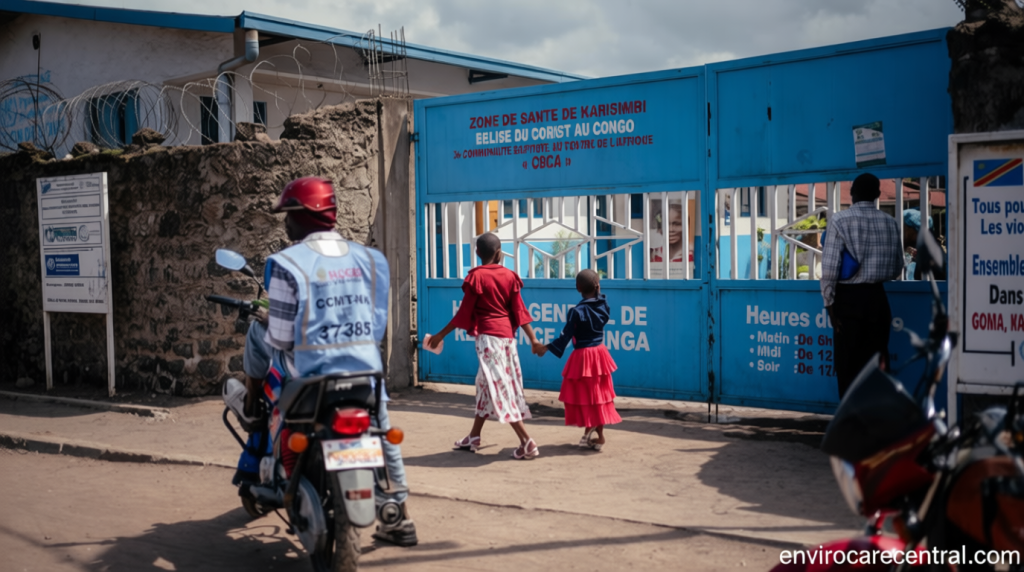
American Ebola Case in DRC Sparks U.S. Travel Restrictions
American infected with Ebola in DRC – The U.S. has announced travel restrictions from the Democratic Republic of Congo (DRC) following the confirmation of an American infected with Ebola in the region. This development highlights the growing urgency of the outbreak, which has already claimed over 100 lives in DRC and Uganda. The Centers for Disease Control and Prevention (CDC) has activated a public health protocol to limit entry, emphasizing proactive measures to prevent the virus from spreading internationally.
WHO Classifies Outbreak as International Health Alert
On Sunday, the World Health Organization (WHO) elevated the Ebola crisis to a “public health emergency of international concern,” underscoring the need for enhanced global collaboration. While the situation has not reached pandemic levels, officials caution that the outbreak’s trajectory could lead to a “much larger” epidemic. The Africa CDC reports significant cases across multiple health zones, prompting a unified response to contain the virus’s spread.
“We have more than 100 deaths attributed to this outbreak, and that’s not acceptable,” remarked Dr. Jean Kaseya, Africa CDC’s director, during an interview with CNN. The agency’s declaration of a Public Health Emergency of Continental Security (PHECS) aims to mobilize resources and expertise across the continent to address the escalating threat.
U.S. Takes Action to Contain Spread
As the American infected with Ebola in DRC raises alarms, the U.S. has enacted Title 42, a legal framework for restricting entry during disease outbreaks. This move, effective Monday, marks the second time the policy has been used since the start of the pandemic. The CDC maintains the immediate risk to Americans is “low,” but stresses the importance of monitoring the evolving situation closely.
The decision aligns with broader international efforts to control the outbreak, which has resulted in 106 confirmed deaths and 395 suspected cases in DRC and Uganda. Health authorities continue to track the spread of the Bundibugyo strain, which has no approved treatments or vaccines, making containment more challenging.
Humanitarian Impact and Limited Access
Relief workers in the DRC report that years of conflict have disrupted healthcare systems, contributing to the delayed detection of the outbreak. “Hostilities have severely limited access to critical surveillance tools, allowing the virus to spread unchecked,” noted the Oxfam country director. This situation has compounded the challenges of managing the epidemic in regions already grappling with displacement and high mortality rates.
Meanwhile, the American case has intensified scrutiny on the effectiveness of current prevention strategies. Dr. Peter Stafford, a Christian missionary physician in the DRC, is confirmed to be infected, while his wife and colleague are under observation. The couple’s four children are also being monitored as part of the containment process, reflecting the cautious approach taken by health officials to prevent further transmission.
Global Coordination and Future Outlook
International organizations are working alongside local governments to strengthen response efforts. The Africa CDC, in collaboration with the WHO, is coordinating vaccination drives and medical support to stabilize the situation. Despite the challenges posed by the Bundibugyo strain, experts remain optimistic about the potential to curb the outbreak through improved resource allocation and community engagement.
As the global community watches the situation unfold, the focus on the American infected with Ebola in DRC serves as a reminder of the virus’s reach. With 30 days of travel restrictions in place, the U.S. aims to reduce the likelihood of new cases while the world races to control the epidemic. Continued vigilance and international cooperation will be key to mitigating the impact of this health crisis.
