Hottest June day on record for the UK as temperature reaches 36C
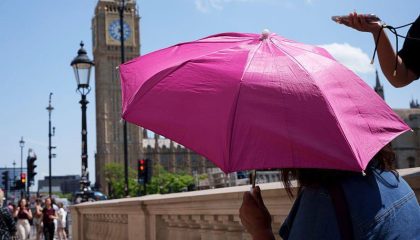
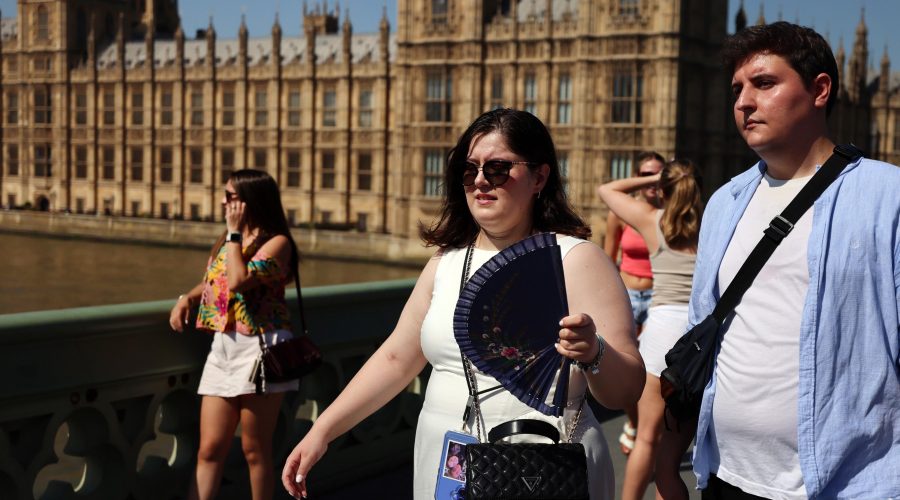
Hottest June day on record – Wisley, Surrey recorded a historic 36°C on Wednesday afternoon, surpassing the previous June temperature record for the United Kingdom. This marks a significant milestone in the region’s weather history, as the mercury climbed to its highest level since records began. The unprecedented heatwave has spread across southern England, with temperatures in the low to mid-thirties Celsius reported in several areas, including the Midlands.
Extended Warnings for Extreme Heat
As the sweltering conditions persisted, the Met Office expanded its red warning for extreme heat further south, encompassing parts of England’s south coast. This warning is currently active until 11.59pm on Thursday, affecting regions such as southern England, the Midlands, and south Wales. The Met Office has also issued an amber warning for extreme heat covering a broader area of England for the entire duration of Friday, with a targeted warning for the east and south-east of England set for Saturday.
The red warning for southern England and Wales is a rare occurrence, as it is the first time Wales has been placed under such an alert for extreme heat. This event is notable, as it only follows the second instance of a red warning being issued anywhere in the UK. Despite this, the heat is expected to remain intense, with temperatures still projected to reach the low to mid-30s Celsius across much of the country.
Historic Temperature Records
The new June record in Wisley, Surrey, breaks the previous high of 35.6°C, which was set in 1957 and later matched in 1976. While this achievement is remarkable, the Met Office notes that maximum temperatures are still unlikely to exceed the UK’s all-time high of 40.3°C, recorded in 2022. This distinction highlights the difference between seasonal extremes and annual records, underscoring the current heatwave as a significant, though not record-breaking, event.
The extreme humidity accompanying the high temperatures has added to the discomfort, with “feels like” temperatures projected to reach into the low 40s Celsius in some areas. This phenomenon, where the perceived temperature is higher than the actual reading due to moisture in the air, will likely make the heat feel even more oppressive. Overnight conditions are also expected to remain unusually warm, with several locations experiencing tropical nights—where temperatures do not drop below 20°C.
Weather experts warn that the warmest June night on record may occur on either Wednesday or Thursday, as minimum temperatures in Wales, the Midlands, and south-east England are predicted to stay above 21 to 23°C. In some regions, these night-time temperatures could potentially surpass the existing UK and England record of 22.7°C, set in 1979. The Met Office remains vigilant, monitoring the situation as it unfolds across the country.
Impact on Daily Life
The heatwave has already begun to disrupt daily activities, with over 1,000 schools either closing early or shutting down altogether. This decision reflects the severity of the conditions, as the Met Office’s warnings have prompted local authorities to take precautions to protect students and staff. Public transport systems have also reported delays, with some routes experiencing reduced frequency due to the extreme heat affecting infrastructure and operations.
Businesses and residents are adapting to the heat, with many turning to cooling strategies such as shading windows, using fans, and staying indoors during peak hours. The Met Office has also issued a yellow warning for thunderstorms in south-west England, effective from 6pm to 11.59pm on Thursday. While the worst of the storms may bypass most areas in the south-west, they could still cause disruptions, such as power outages or road closures, in certain locations.
Europe’s Response to the Heat
Across Europe, the intense heatwave has prompted a range of responses from communities and governments. In the UK, the focus remains on managing the immediate effects of the heat, but the situation is part of a broader trend affecting the continent. From cool-down spots to chalk on windows, people are finding creative ways to combat the rising temperatures. The Met Office’s guidance on how to stay safe and comfortable during such conditions has become a critical resource for the public.
“From cool-down spots to chalk on windows – how Europe is coping with the heat” – The BBC Weather article highlights the varied measures taken across the region to adapt to the extreme conditions.
As the week progresses, the challenge of maintaining normalcy in the face of such high temperatures becomes increasingly evident. The Met Office continues to monitor the weather closely, providing updates and forecasts to help the public prepare. The extended warnings suggest that the UK is experiencing a prolonged period of unusually hot weather, which could have lasting effects on both the environment and human health.
While the record-breaking temperatures in Wisley, Surrey are a cause for celebration, they also serve as a reminder of the UK’s vulnerability to extreme weather events. The combination of high daytime temperatures and warm night-time conditions creates a scenario where the body is constantly exposed to heat, increasing the risk of heat-related illnesses. Public health officials are urging caution, particularly for the elderly and those with pre-existing medical conditions, as the heatwave continues to unfold.
Looking ahead, the Met Office predicts that the heat will begin to subside slightly by the end of the week, but the overall trend of rising temperatures persists. This period of extreme weather is not only a test for the UK’s infrastructure but also a glimpse into what may become more frequent in the future. The 2022 all-time high of 40.3°C remains a benchmark, and as the climate continues to warm, the likelihood of surpassing this record in future summers may increase.
Residents and officials are working together to mitigate the impact of the heatwave, with a particular emphasis on ensuring that vulnerable populations are protected. The Met Office’s warnings are a vital tool in this effort, helping to coordinate responses and allocate resources effectively. As the UK braces for more extreme weather, the importance of preparedness and adaptability becomes more apparent than ever.